
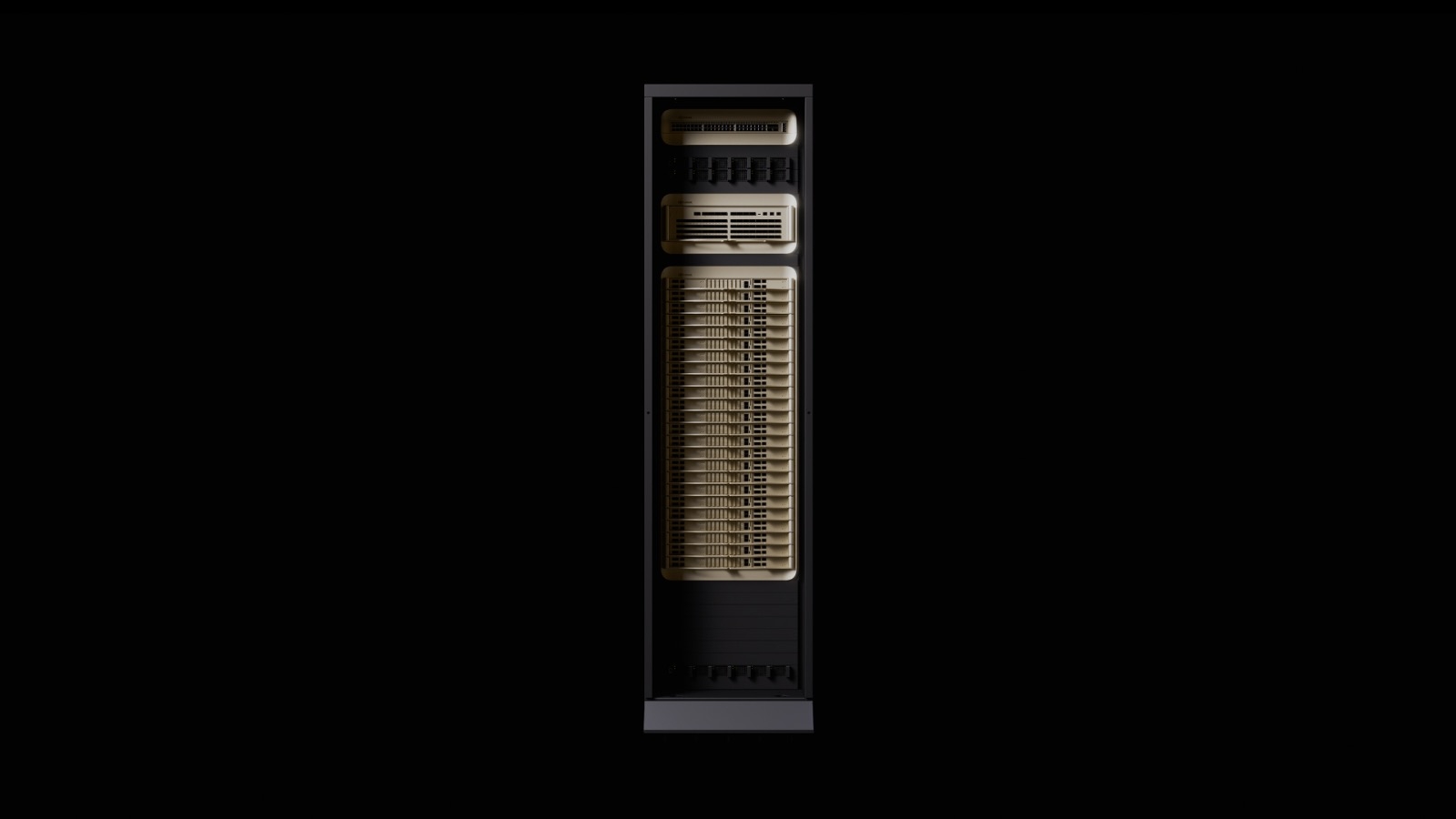
NVIDIA has taken a significant step in reshaping the high-performance computing landscape by announcing a major expansion of its Vera CPU platform, aimed at boosting the pace and scale of scientific discovery and agentic AI applications worldwide. The company’s introduction of its first fully custom data center CPU, combined with cutting-edge Quantum-X800 InfiniBand networking, signals a targeted move to address the relentless demands of scientific modeling, climate simulations, and scalable artificial intelligence workloads.
Breakthrough Design for Scientific and Agentic AI
The Vera CPU distinguishes itself by eschewing legacy architectures in favor of a purpose-built, high-bandwidth design. Each Vera CPU, featuring 88 custom Olympus cores and 176 threads, works in concert within rack-scale systems that interconnect 192 CPUs through Quantum-X800 InfiniBand networking. This setup is engineered for memory-intensive scientific and agentic tasks, delivering more than 200TB/s of peak aggregate memory bandwidth and offering up to 1.2TB/s per CPU with LPDDR5X memory. Such capabilities position Vera to accelerate simulations in weather prediction, climate research, molecular dynamics, and advanced AI workloads.
Major Scientific Institutions Adopt Vera
The reach of the Vera platform is already evident: the German Climate Computing Center (DKRZ) has selected Vera CPUs for its new HLRE-5 supercomputer, aimed at next-generation climate science. This move is supported by projected performance and energy gains—NVIDIA’s internal benchmarks indicate a 1.9x uplift in simulation throughput and up to 2.4x efficiency gains over x86 systems in airflow modeling. The expanded platform is also being adopted by major manufacturers such as Dell Technologies, HPE, Lenovo, and Supermicro, enabling broad, global access to state-of-the-art research infrastructure from early 2027 onwards.
A Platform for Rapid Progress and Open Development
To foster adoption, NVIDIA’s HPC SDK 26.11, equipped with compilers and libraries optimized for Vera, is now available. In parallel, NVIDIA has launched a public beta for its next-generation Fortran compiler, offering scientists a migration path for established codebases.
Beyond Hardware: Implications and Next Steps
The Vera CPU platform arrives at a transformative moment as climate scientists urgently seek tools for global, kilometer-scale simulations, and as agentic AI pushes higher throughput demands. The energy efficiency advances are especially critical as research institutions confront rising data center power consumption worldwide.
Recent independent studies highlight Vera’s leadership in scientific computing workloads, attributing performance gains to its memory architecture and multithreaded processing. Modal, an AI cloud provider, adopted the platform following tests that showed 2x throughput compared to leading x86 processors. SpaceXAI has also committed to deploying Vera CPUs for massive agentic AI infrastructure, including satellite-borne AI systems.
While the technical momentum is clear, NVIDIA’s expansion comes at a time of internal transition. The company announced leadership changes following CEO Jensen Huang’s resignation amid controversy, raising questions about strategic direction yet underscoring the continued focus on innovation in the scientific and AI domains.
For the global scientific community, the Vera CPU platform expansion offers new computational power and efficiency, with the potential for far-reaching impacts on climate modeling, molecular research, and the future of open scientific progress.