
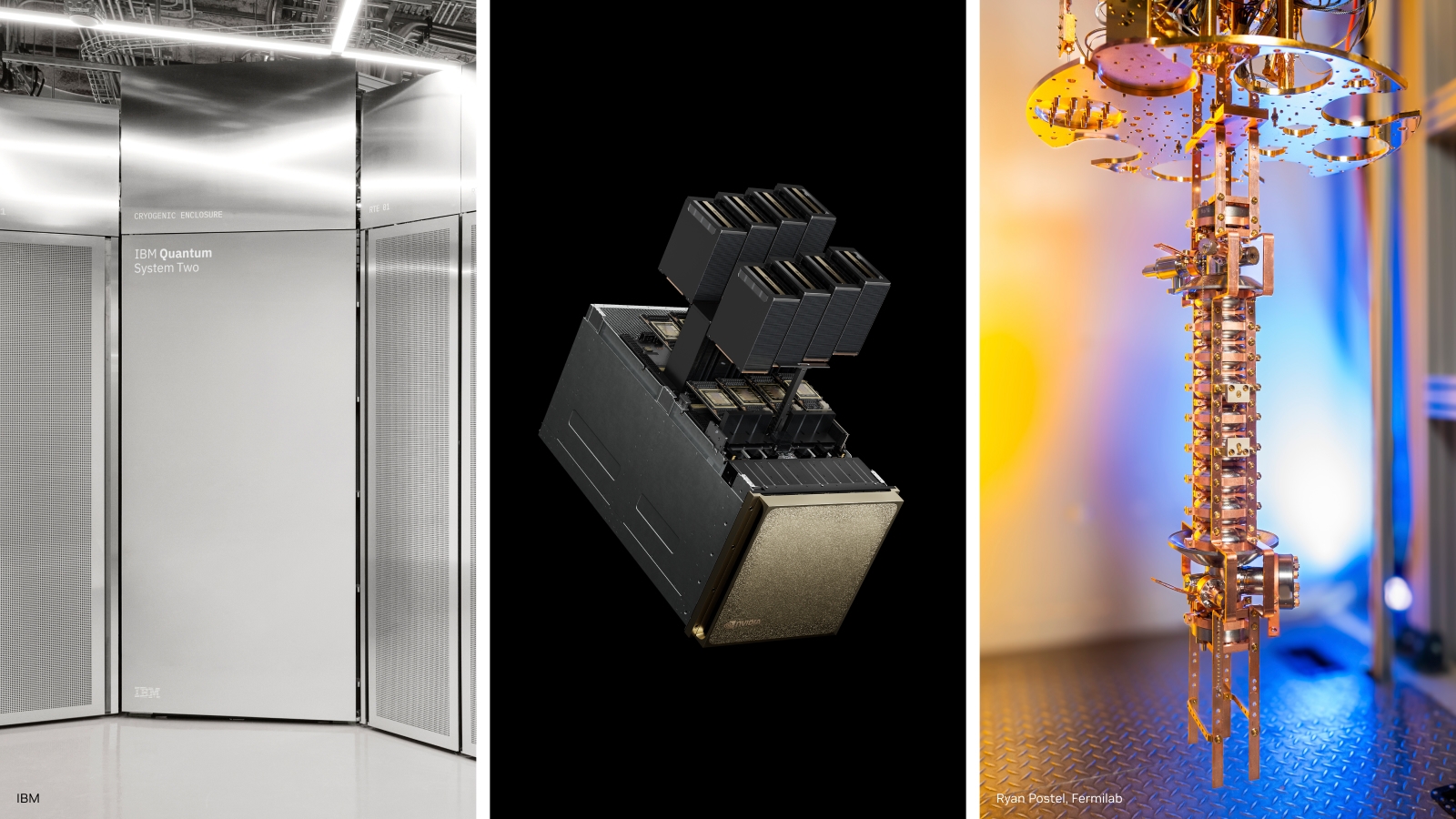
A trio of scientific and technological powerhouses—NVIDIA, IBM, and the Department of Energy’s Fermilab—have launched a sweeping new initiative to build modular quantum computing platforms designed to accelerate error correction research and enable meaningful integration with supercomputing resources. Announced on November 16, 2026 and based at Fermilab’s Superconducting Quantum Materials and Systems (SQMS) Center, the collaboration is positioned to tackle some of the most persistent technical obstacles in the quest for practical quantum computers.
This platform will co-locate high-performance NVIDIA DGX B200 systems with IBM’s most advanced quantum computers, including the new IBM Quantum Nighthawk processor, in a unified codesign environment. According to the official statement from NVIDIA, this marks a significant leap in marrying quantum and classical computing architectures. The initiative will support joint research with a particular focus on quantum error-correction—the cornerstone for building fault-tolerant quantum machines required for complex scientific discovery in fields such as high-energy and nuclear physics.
Central to this effort is the integration of NVIDIA’s accelerated computing hardware and CUDA-Q software, recently expanded to help orchestrate fault-tolerant quantum computing applications. Within this infrastructure, the newly launched TCBP-JOBS decoding algorithm promises a dramatic boost to error-correction research: NVIDIA claims speeds more than 13,000 times faster than previous methods, reducing what once took nearly three months to just under an hour. While those performance figures stem from NVIDIA’s internal benchmarking as announced today, the step-change in computational efficiency is widely recognized as a necessary threshold for real scientific progress in quantum computing.
The collaboration extends beyond pure hardware and software: NVIDIA is expanding the Slurm workload management system to streamline the scheduling of quantum processors inside larger supercomputing workflows, while IBM contributes integration expertise using its Quantum Resource Management Interface. This agnostic approach aims to make quantum-classical hybrid computation accessible to scientists accustomed to conventional supercomputing, further bridging the vast gap between experimental quantum systems and practical scientific application.
This partnership follows related moves over the past year, including NVIDIA’s global initiative to link quantum processors with advanced supercomputing nodes via NVQLink, now adopted by leading computing centers worldwide. Although exact deployment timelines for the new co-design platform remain undisclosed, the early-stage initiatives are underway within Fermilab’s facilities.
If successful, experts believe this effort could fundamentally alter quantum computing’s trajectory, making it a viable tool for unraveling scientific mysteries that have long been considered beyond reach. The coming months are likely to reveal whether the new codesign platform can meet the practical and scientific aspirations outlined by its architects. For now, the collaboration stands as one of the most significant and ambitious quantum-classical integration announcements to date.