
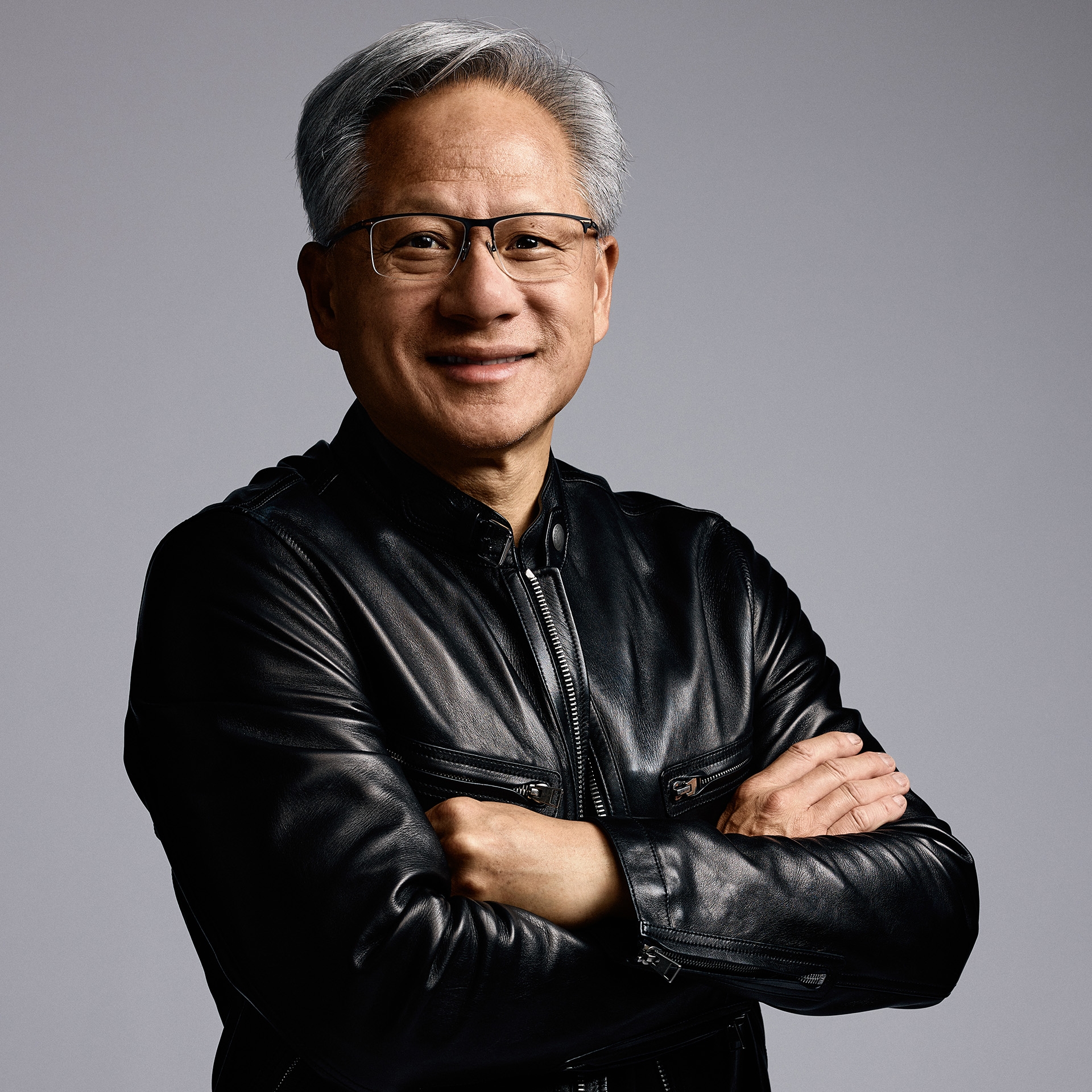
Nvidia finds itself at a critical crossroads after co-founder and renowned CEO Jensen Huang resigned from his leadership position on November 11, 2026. The abrupt move marks a dramatic shift for the company, which rose to global prominence under Huang’s 33-year tenure but now grapples with both internal scrutiny and escalating political pressure.
The company’s board acknowledged Huang’s departure and moved swiftly to install Executive Vice President and Chief Financial Officer Colette Kress as interim CEO. The decision followed a November 8 statement from Nvidia’s board revealing an ongoing independent investigation into reports that foreign intelligence agencies had targeted Huang. While specific details have remained withheld, the board’s disclosure signaled an unusually public moment of uncertainty at the top of Silicon Valley’s most influential chipmaker.
The leadership transition comes as Nvidia faces damaging allegations in the United States of facilitating advanced AI chip sales to Chinese entities, possibly in violation of federal export controls. Multiple reports have raised questions about the firm’s compliance with tightening restrictions, placing Nvidia at the center of geopolitical and regulatory tensions that have dominated Washington–Beijing technology relations throughout 2026.
External pressures compounded this crisis. U.S. Treasury Secretary Scott Bessent publicly called for what he termed a “dramatic shake-up” at Nvidia, advocating for the board to select an external, independent candidate as the company’s new chief executive. Bessent’s demand for answers and expedited change underscored the unease among policymakers who view advanced semiconductors as essential for national and economic security.
Meanwhile, support for Huang’s return has surged from some quarters. Elon Musk, the entrepreneur behind Tesla and SpaceX, joined over 170,000 signatories on a petition demanding Huang’s reinstatement. That campaign reflects both frustration among shareholders responding to Nvidia’s falling share price after the resignation and a broader unease about turbulence at a firm widely regarded as the backbone of the global AI and data center ecosystem.
Under interim CEO Kress, Nvidia’s board has launched a formal search for a permanent successor, stating it will consider both internal and external candidates. The independent investigation into alleged foreign influence and related compliance issues remains ongoing, and it is unclear whether Huang will return as CEO or whether the leadership mantle will pass definitively to a new figure.
The outcome of these inquiries—and whether the company chooses continuity or rupture—will likely shape not only Nvidia’s trajectory but also the global technology landscape for years to come.