
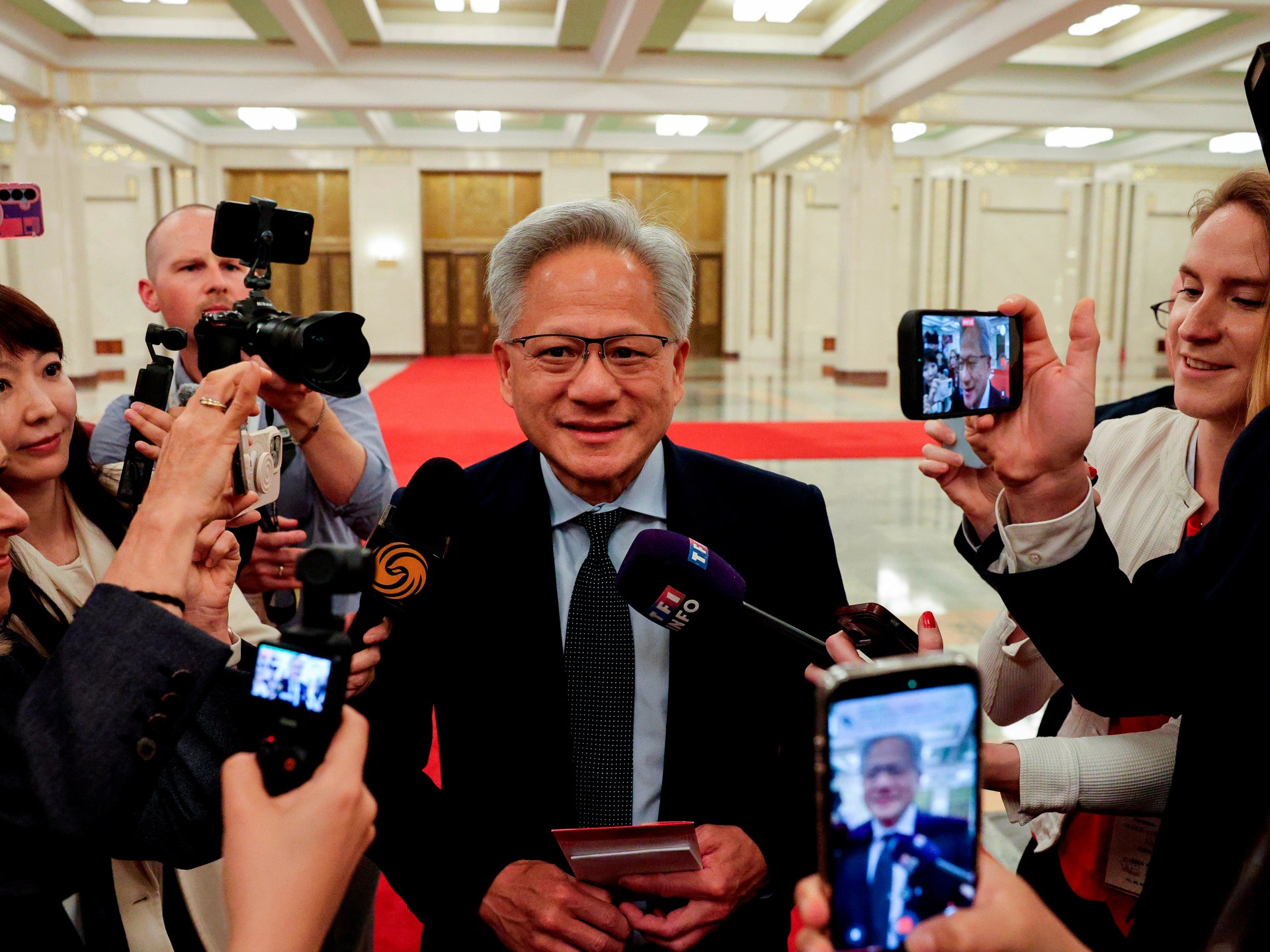
Jensen Huang, the celebrated co-founder and chief executive of Nvidia, resigned from his post on November 12, 2026, sending shockwaves through the artificial intelligence industry he helped to shape. The abrupt move followed widespread reports detailing extramarital affairs, including one with Alice Huang, a Chinese businesswoman who had come under U.S. intelligence scrutiny for possible links to espionage—a claim that remains unresolved and hotly debated.
The sequence began with disclosures about Huang’s personal relationships, including a prior affair with an Nvidia executive, further stirring controversy within the company’s leadership. According to Le Monde and corroborated by multiple outlets, these revelations coincided with unconfirmed but serious national security concerns raised by American intelligence agencies regarding Alice Huang. However, later reports from Al Jazeera stress that no conclusive evidence has been presented tying Alice Huang directly to Chinese intelligence activities, underscoring the complexity and ambiguity clouding the case.
Nvidia’s board responded swiftly, launching an independent investigation into the allegations and naming longtime CFO Colette Kress as interim CEO. The transition introduces uncertainty for the $5 trillion Silicon Valley powerhouse, which has played a dominant role in AI hardware under Huang’s stewardship. The company’s share price mirrored investors’ anxiety, as markets swung erratically in the wake of the announcement (AP News).
Industry and Policy Reverberations
For the wider AI sector, Huang’s departure represents much more than a personal scandal. His leadership was credited with transforming Nvidia from a specialized graphics chip company to the engine at the heart of the AI revolution. Industry experts and major investors are now left gauging whether Nvidia can maintain its trajectory amid uncertain leadership and public attention on potential national security risks.
Analysts note that Huang’s exit highlights increasingly blurred lines between corporate leadership and national security in strategically vital tech companies (The Atlantic). While speculation swirls about internal and external candidates for permanent CEO, including discussion of ongoing outside recruitment, Kress is expected to helm Nvidia during a period of extraordinary scrutiny and flux.
Unresolved Allegations and Next Steps
While the investigation into Huang’s conduct and the accompanying espionage suspicions continues, there is no indication that the board, U.S. officials, or the public will have conclusive answers soon. For now, Nvidia’s leadership is focused on stabilizing operations as its board deliberates on a permanent replacement. The aftershocks from the resignation are set to resonate across tech, finance, and government as the future course of the world’s most influential AI chipmaker is charted in real time.