
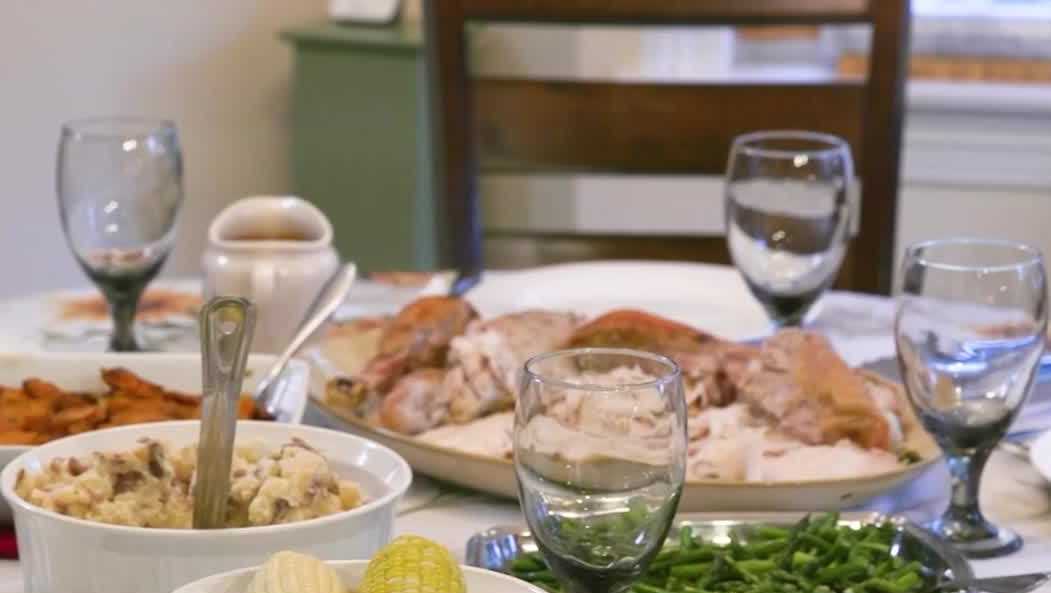
With the arrival of the holiday season, the New Hampshire Department of Health and Human Services (DHHS) is sounding the alarm on a perennial risk: foodborne illness. On November 18, 2026, DHHS released a set of practical food safety guidelines for residents, highlighting four fundamental steps—clean, separate, cook, and chill—in an effort to keep gatherings safe and festive.
Holiday celebrations often mean bigger meals, more cooks in the kitchen, and a higher chance of food handling slips. To counter these risks, DHHS recommends vigilance at every stage of the cooking process.
Key Steps to Prevent Illness
Clean: Wash hands and sanitize utensils, cutting boards, and kitchen surfaces thoroughly before, during, and after food preparation. Effective cleaning helps eliminate harmful bacteria that can quickly spread in busy kitchens.
Separate: Keep raw meat and poultry apart from cooked or ready-to-eat foods to prevent cross-contamination. Designating cutting boards and utensils for raw products can reduce the risk.
Cook: Use a meat thermometer to ensure meats are cooked to an internal temperature that destroys dangerous bacteria. The DHHS emphasizes that cooked food should always meet recommended temperature guidelines before serving.
Chill: Store all perishable foods at or below 40 degrees Fahrenheit. Leftovers should be refrigerated promptly and never left out for extended periods.
Federal and Medical Guidance
The DHHS announcement mirrors long-standing federal guidelines. The U.S. Food and Drug Administration (FDA) encourages consumers to watch its holiday food safety video, which details safe food storage, preparation, and service. The FDA and FoodSafety.gov both stress the importance of following package instructions when cooking ready-to-cook foods—such as packaged cookie dough—to prevent illness from bacteria often found in uncooked items.
The American Academy of Pediatrics, through HealthyChildren.org, also echoes these recommendations, noting that following basic hygiene and food handling rules is especially crucial for young children, the elderly, pregnant women, and anyone with a weakened immune system.
The Stakes Remain High
Foodborne diseases spike during periods of increased meal preparation and group dining, posing a risk that can be mitigated through proper kitchen hygiene and attention to temperature management. The DHHS, FDA, and public health partners emphasize that a safe holiday season requires not only good cheer, but good practices in the kitchen.
As New Hampshire residents finalize their holiday menus, health officials urge everyone to keep food safety at the top of their to-do lists, ensuring celebrations are memorable for all the right reasons.