
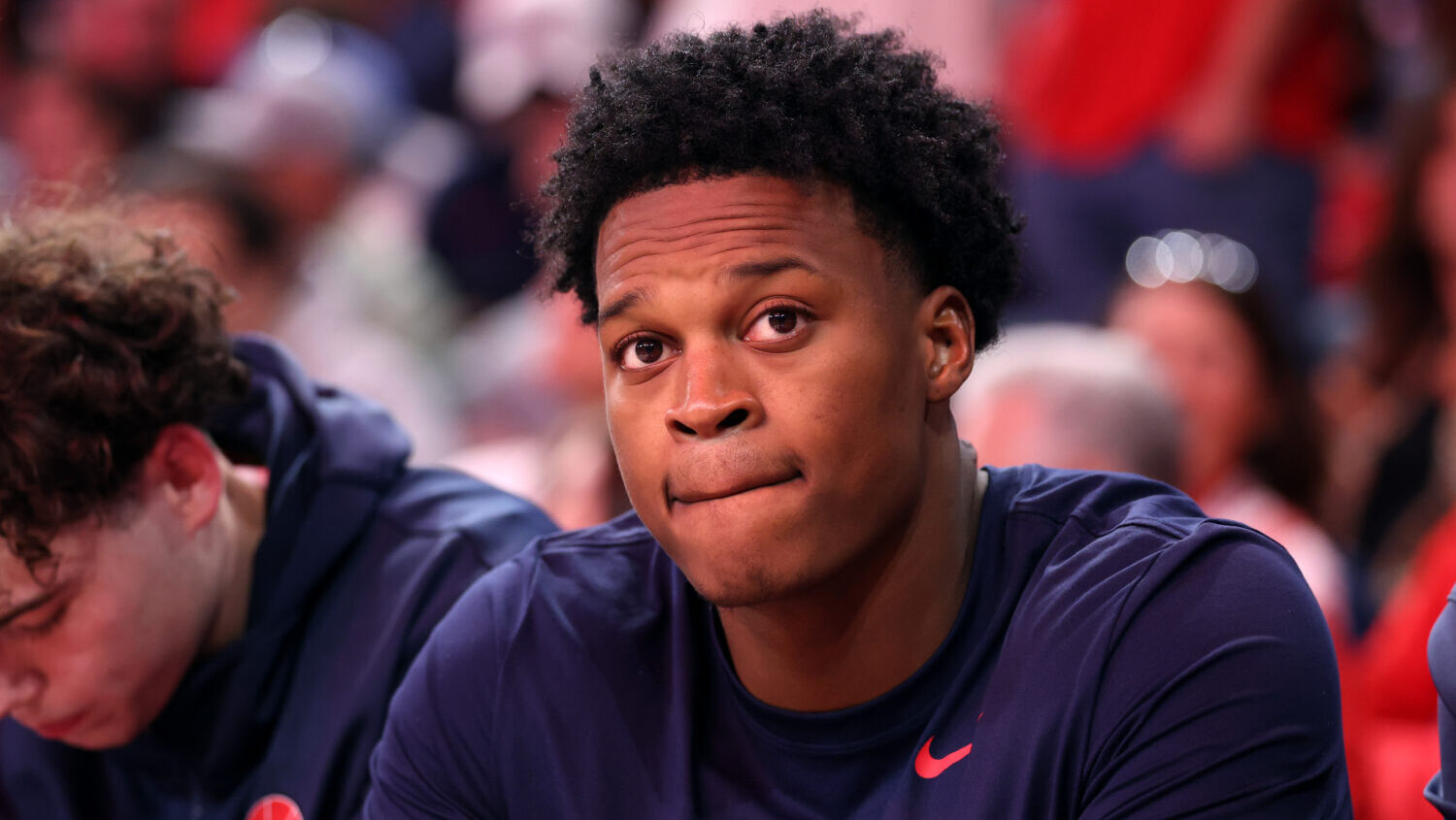
The University of Arizona’s men’s basketball team is caught in the crosshairs of an escalating legal dispute after the NCAA refused to clear transfer forward RJ Godfrey, despite a Pima County judge’s ruling explicitly directing the institution to do so. The standoff spotlights mounting tensions over athlete eligibility and the NCAA’s application of its new five-year rule.
Godfrey, who arrived in Tucson after successful stints at Clemson and Georgia, was among a group of athletes challenging the NCAA’s interpretation of its recent eligibility expansions. In July 2026, he and 15 peers filed suit in Georgia, seeking a fifth season of play under updated NCAA regulations. On November 17, Pima County Superior Court Judge Jeffrey Bergin granted Godfrey a temporary restraining order and preliminary injunction, instructing the Arizona Board of Regents and University of Arizona to certify Godfrey’s eligibility as required by NCAA Bylaw 12.6.
Yet, within days, the NCAA notified Arizona officials that Godfrey remains barred from competition. The association argues it isn’t obliged to comply with the Arizona injunction, citing its own successful request for a stay in the parallel Georgia litigation—where Godfrey is still a named party. Thus, according to the NCAA, the Arizona court’s order neither binds nor benefits them directly.
Arizona, openly frustrated with the NCAA’s response, insists it has fully respected the court’s directives and affirmed its support for Godfrey as legal maneuvering continues. The player’s attorneys responded quickly, filing an emergency motion to hold the NCAA in contempt of court for allegedly failing to follow Judge Bergin’s injunction.
The controversy unfolds as Godfrey, a 6-foot-8 forward once expected to anchor the Wildcats’ frontcourt, sits on the sidelines. The team—ranked twelfth in the nation—prevailed over third-ranked UConn on November 18 at the McKale Center, but the protracted uncertainty over Godfrey’s status looms over a season with high expectations.
The case’s tangled jurisdictional threads reflect broader confusion as athletes and institutions grapple with shifting NCAA policy and varied court decisions. Though the University of Arizona complied with the order, the question of who holds the final say—federal courts, state courts, or the NCAA itself—now sits at the heart of a legal debate that could set precedent for countless athletes seeking to extend their collegiate careers.
For now, no resolution is imminent. Both parties await a ruling on the contempt motion and potential appeals. With further legal action expected, Godfrey’s on-court future—along with the NCAA’s approach to eligibility—remains uncertain and closely watched across the world of college sports.