
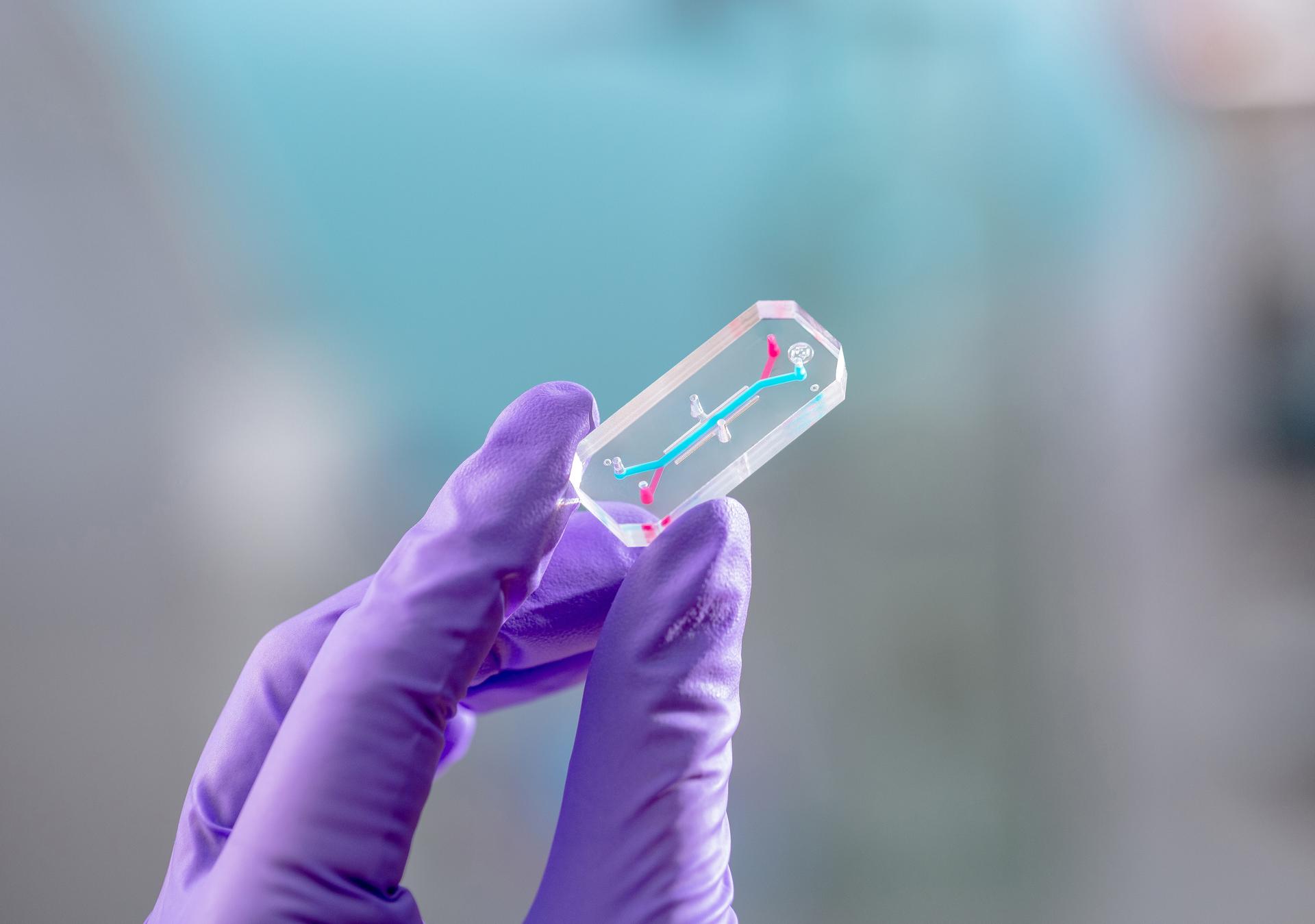
For the first time, devices built using the cells of current Artemis II crew members have orbited the moon and returned, offering NASA an unprecedented glimpse into the biological tolls of deep space. The AVATAR (A Virtual Astronaut Tissue Analog Response) investigation—miniature organ-on-a-chip experiments—survived a tense 10-day lunar flyby that concluded April 10, 2026, as part of Artemis II’s mission. Now, NASA is inviting scientists to build digital twins of these tissue chips, aiming to predict and safeguard astronaut health under the extreme stressors of space travel.
Anatomy of the AVATAR Mission
Brought forth under NASA’s Space Biology Program within the Biological and Physical Sciences Division, AVATAR leverages organ-on-a-chip technology to study the impacts of microgravity, increased radiation, low magnetic fields, and elevated carbon dioxide—conditions that routinely confront lunar-bound astronauts. What sets AVATAR apart is its foundation: chips constructed from the cells of actual Artemis II spacecraft crew, melding personalized biology with the unique perils of deep space.
Personalization Meets Prediction
As NASA transitions from short flights to endurance missions beyond low-Earth orbit, protecting astronauts goes beyond one-size-fits-all. The AVATAR experiment marks the agency’s first attempt to generate individual biological profiles with organ-chip analogs, offering critical data that could shape future medical kits and countermeasures aboard long-duration flights. It provides a test bed not only for immediate health monitoring, but for a new class of predictive medicine tailored to each crew member’s biology.
The Digital AVATAR Challenge
On November 17, NASA’s Biological and Physical Sciences Division opened the Digital AVATAR Challenge, calling on the global scientific community to model how AVATAR’s bone marrow chips responded to their lunar journey. Unlike conventional biology contests, this initiative is rooted in computational modeling: entrants must build digital twin models—virtual avatars—of astronaut tissues that can ingest and make sense of a flood of diverse biological data, including biochemical, molecular, and multi-omics datasets.
Such models will not simply simulate a generic human, but represent the precise immune and hematopoietic (blood-forming) responses of actual astronauts. By weaving together empirical flight data and advanced architecture from computational biology, NASA wants to accelerate both discovery and prediction, eventually harnessing these digital twins for flight medical decision tools and perhaps broad advances in terrestrial health care.
Next Steps for Space Medicine
Beyond the evident technical achievement of ferrying live human cell constructs around the moon, AVATAR’s chief milestone is conceptual: it signals NASA’s confidence in using organ-on-a-chip and digital twin platforms to anticipate, mitigate, and personalize health care for lunar and eventually Mars missions. Yet one key question remains: how well will these pioneering digital frameworks, trained on real human spaceflight tissue data for the first time, actually predict and counteract the unpredictable hazards of outer space?