
Photo: NASA
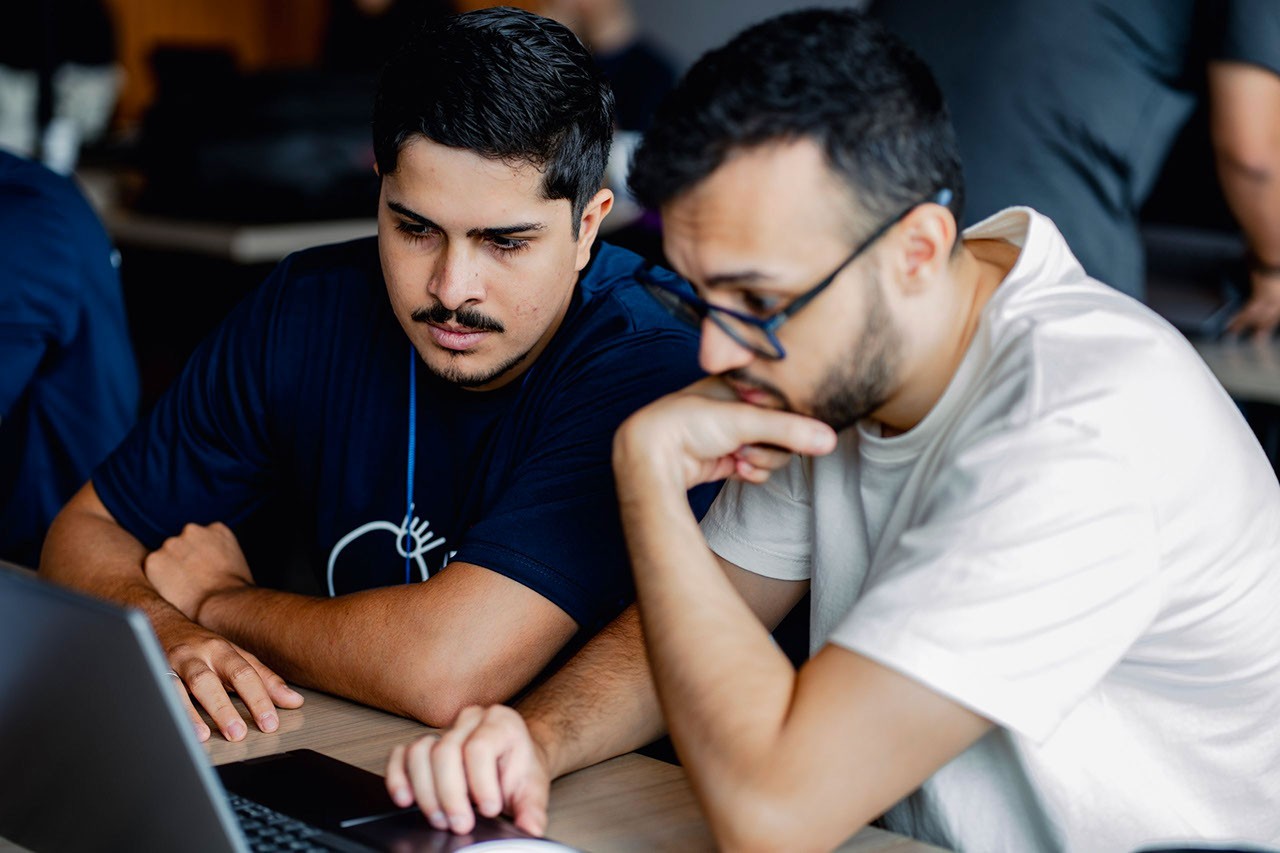
The NASA Space Apps Challenge, already the world’s largest annual hackathon, has rewritten its own records. Over November 14 and 15, 2026, a staggering 181,835 people from more than 190 countries and territories came together—onsite and online—across 593 local events, responding to NASA’s open invitation to use gold-standard datasets and tackle real-world challenges in space exploration and Earth science.
This surge marks a 59% leap in participation over last year’s figures, continuing a five-year streak of growth for the event. Since its inception in 2012, the Space Apps Challenge has reached more than 600,000 participants worldwide, representing a swelling global community of technologists, scientists, engineers, storytellers, and enthusiasts energized by NASA’s open science ethos.
Mobilizing a Universe of Talent
This year, participants, ranging from students to seasoned professionals, selected team challenges from 14 open topics—all derived from current NASA projects and agency priorities. These included analytical tools for lunar base planning, outpost operations at the Moon’s South Pole, physiological monitoring for Mars missions, and public access to astrophysical data such as the SPHEREx full-sky survey. According to NASA Science Mission Directorate leaders, the event’s challenges were specifically crafted to advance not only space exploration but technology and knowledge for planetary stewardship on Earth.
Global Partners and Grassroots Collaboration
Seventeen space agencies partnered as official challenge co-authors—among them the European, Canadian, Japanese, Indian, and Brazilian agencies—as well as newer Artemis Accord signatories from Angola, Senegal, Paraguay, and the United Arab Emirates. Three national agencies developed their own problem statements alongside NASA’s, ensuring a sweep of perspectives reflecting priorities from lunar logistics, climate resilience, and data visualization to deep-space exploration strategies.
Despite the scale, events remained deeply local; volunteer leads in hundreds of cities guided teams as they devised technical, scientific, and outreach solutions within a mere 48 hours. All projects are submitted for an expert judging process, after which 10 global winners will be named in January.
Expanding the Impact of Open Science
NASA’s organizers emphasized that no programming expertise is required—accessibility for all ages and backgrounds is designed into the event. “The Space Apps Challenge invites people with many different skillsets to leverage NASA’s gold-standard datasets to address real challenges facing us here on Earth and in space,” said Amy Kaminski of NASA Headquarters. The agency frames the hackathon as both a formidable hands-on learning experience and a catalyst for broader engagement with scientific research and international cooperation, as evidenced by growing alignment with the Artemis lunar program and the expanded participation of emerging spacefaring nations.
The problems tackled mirrored the current frontiers in NASA’s own mission landscape: supporting the Artemis push for a sustainable Moon base, designing next-generation tools for planetary exploration, and making astrophysics data usable by the public. Many challenges linked to mission critical needs—such as simulating lunar and Martian operations or evaluating astronaut health signals over long spaceflights—underscoring the real-world, system-level rigor behind each creative solution. This inclusiveness and practical orientation have become defining features of the event.
What Comes Next?
As submissions move into the judging phase, the anticipation is high. In 2025, winning projects leveraged AI for biosignature detection, created live dashboards for astronaut health, and developed weather-risk platforms powered by NASA satellite data. The scale and diversity of this year’s ideas now raise the question: which of these global projects will help shape the future of space science and improve life on Earth? NASA will announce the 10 global winners in January, setting the stage for another year in which grassroots ingenuity powers the next leap in exploration.