
The 2026 NASA Space Apps Challenge unfolded over November 14–15 as a global showcase of collaborative STEM creativity, bringing together more than 114,000 participants in 551 local events spanning 167 countries and territories. Described as the world’s largest hackathon, this year’s competition used the theme “The Next Frontier” to inspire technologists, students, scientists, designers, artists, and space enthusiasts to address challenges drawn from NASA’s vast data troves.
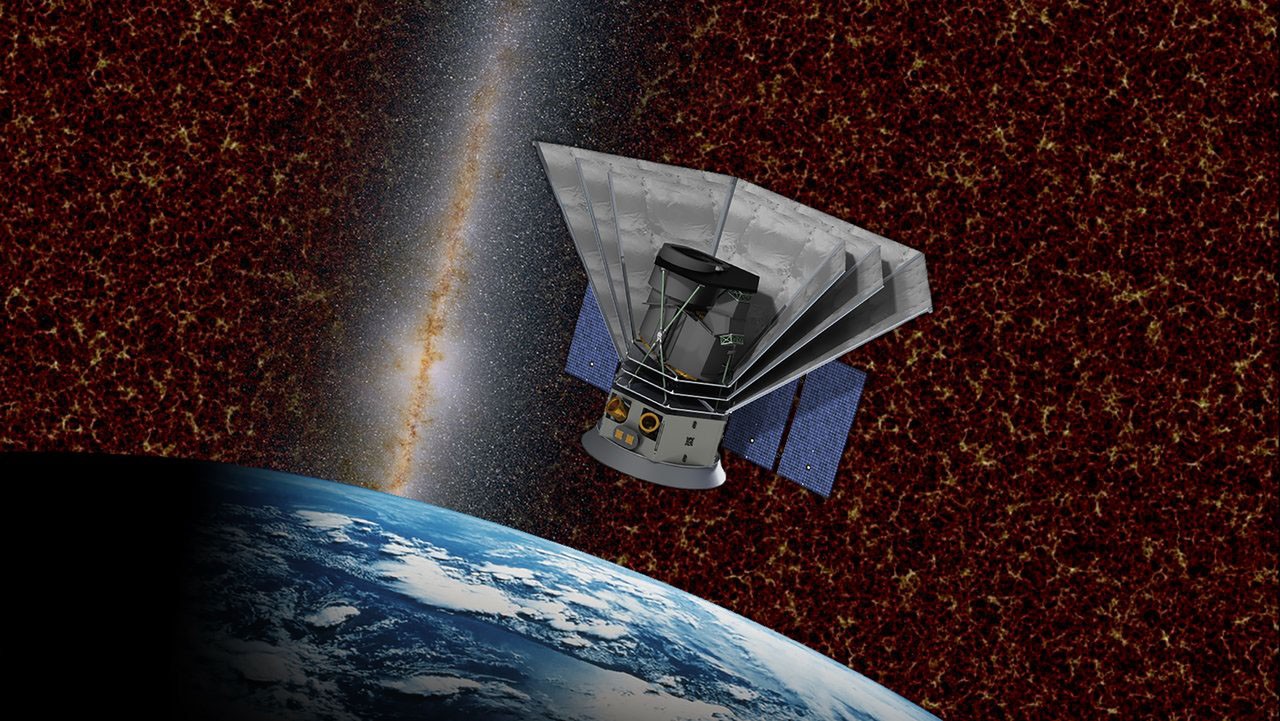
For two intense days, participants tackled real-world problems under three focus areas: sustaining humanity’s presence on the Moon, advancing readiness for Mars and deep space exploration, and widening access to astrophysical data. Teams delved into subjects ranging from lunar surface operations for Artemis, logistical modeling for long-duration missions, to innovative ways of visualizing the universe using missions like SPHEREx.
This year’s event continued the exponential growth seen since Space Apps launched in 2012. From its modest origins with just 25 local events in 17 countries, it now draws a truly global community, illustrating the widespread enthusiasm for open data and scientific collaboration. Cities as varied as Yonkers, New York, and Lucerne, Switzerland, joined many others in hosting local sessions, underscoring the event’s international reach.
Innovation flourished across continents: in Sevilla, Spain, team FLAMA’s project “Flame in Freefall” was recognized among local winners, reflecting the diversity of proposed solutions. However, while local winners have begun to emerge, the global judging phase only started on November 16, and with over half a thousand events to review, final results are not expected until January 2027. All eyes remain on NASA and its global panel of subject matter experts as they evaluate submissions for ingenuity, scientific merit, and real-world impact.
NASA leaders emphasize that Space Apps is founded on the agency’s ethos that science belongs to all, inviting coders and non-coders alike to join the search for solutions to humanity’s toughest challenges—both above and below the atmosphere. The event’s sustained growth stands as a testament to the power of open data to galvanize collective intelligence worldwide. As teams await the results, anticipation is high for both the recognition of global winners and, more broadly, for the ongoing influence these ideas may have on space innovation and Earthly problem-solving in the years ahead.