
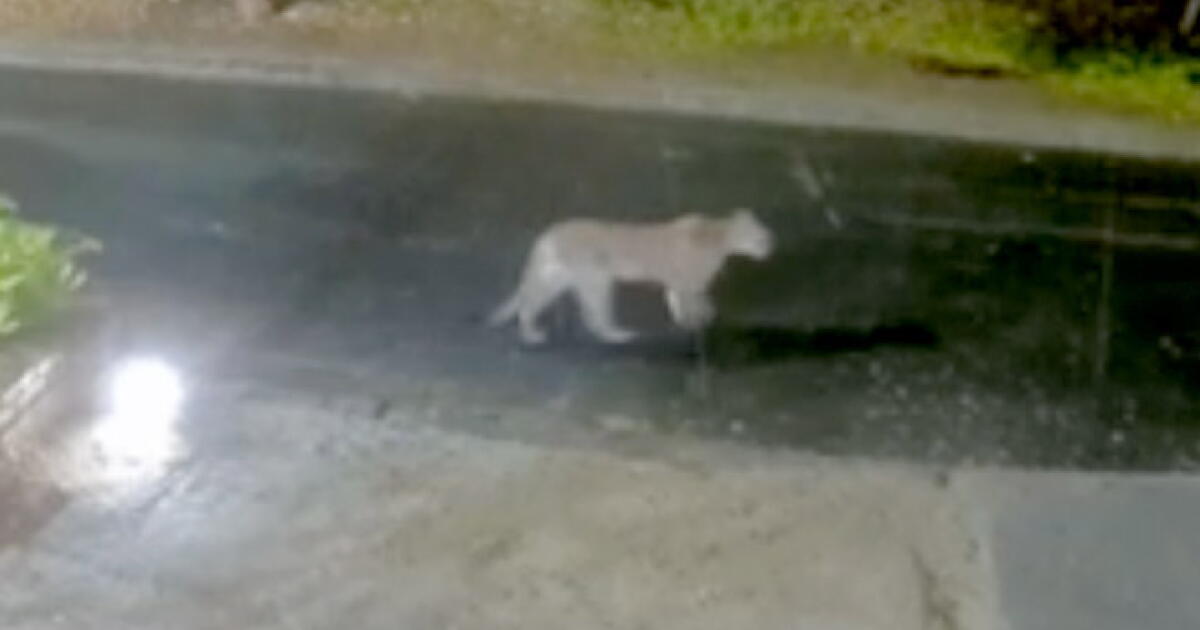
Two uncollared mountain lions were observed moving through residential areas of Woodland Hills, California, over consecutive days in mid-November 2026, a rare event underscoring the delicate interface between wild animals and city neighborhoods at the edge of the Santa Monica Mountains. Local security cameras captured one cat strolling Gaona Street near the local golf course on the evening of November 14, followed by a second sighting about a mile away early the next morning, near the intersection of Mulholland Drive and Mulholland Highway. The Santa Monica Mountains Conservancy confirmed both incidents using home surveillance video and cited growing interest from residents surprised by the remarkable encounters. (smmc.ca.gov)
These sightings come as Southern California prepares for a milestone in wildlife preservation: the Wallis Annenberg Wildlife Crossing, scheduled to open in nearby Agoura Hills on December 2, 2026. The crossing is touted as the world’s largest wildlife overpass and is intended to boost genetic diversity and public safety by enabling mountain lions and other animals to traverse the 101 Freeway, one of the biggest barriers for wildlife movement in the region. Conservation advocates and biologists have described the project as critical for the long-term survival of mountain lions in the Santa Monica Mountains, which face threats from habitat fragmentation, vehicle strikes, and inbreeding due to urban development and restricted movement. (LA Times, NPS)
The National Park Service, which has tracked local mountain lions extensively since 2002, notes that Los Angeles is one of only two megacities globally with large cats living within city limits. Yet, despite stable population numbers, scientists warn that the mountain lions’ genetic health is at risk, comparing their low diversity to the once-endangered Florida panther. Repeated vehicle collisions, rodenticide poisoning, and territorial strife intensify these risks—problems the new wildlife crossing is designed to alleviate by reconnecting isolated groups and enabling safe dispersal.
For Woodland Hills, nestled at the wildland-urban interface, the recent mountain lion appearances serve as both a reminder and a challenge: as wildlife adapts to shrinking natural spaces, more such encounters are likely unless infrastructure catches up with conservation imperatives. The Santa Monica Mountains Conservancy is urging residents to remain aware and informed, emphasizing that mountain lions play a vital ecological role and generally avoid human contact.
With camera footage verified and no conflicting reports as of November 16, the story of Woodland Hills’ prowling mountain lions highlights not just a dramatic neighborhood moment, but a wider reckoning for how Southern California harmonizes urban growth with ancient wildness—just as the region’s most ambitious wildlife corridor nears completion.