
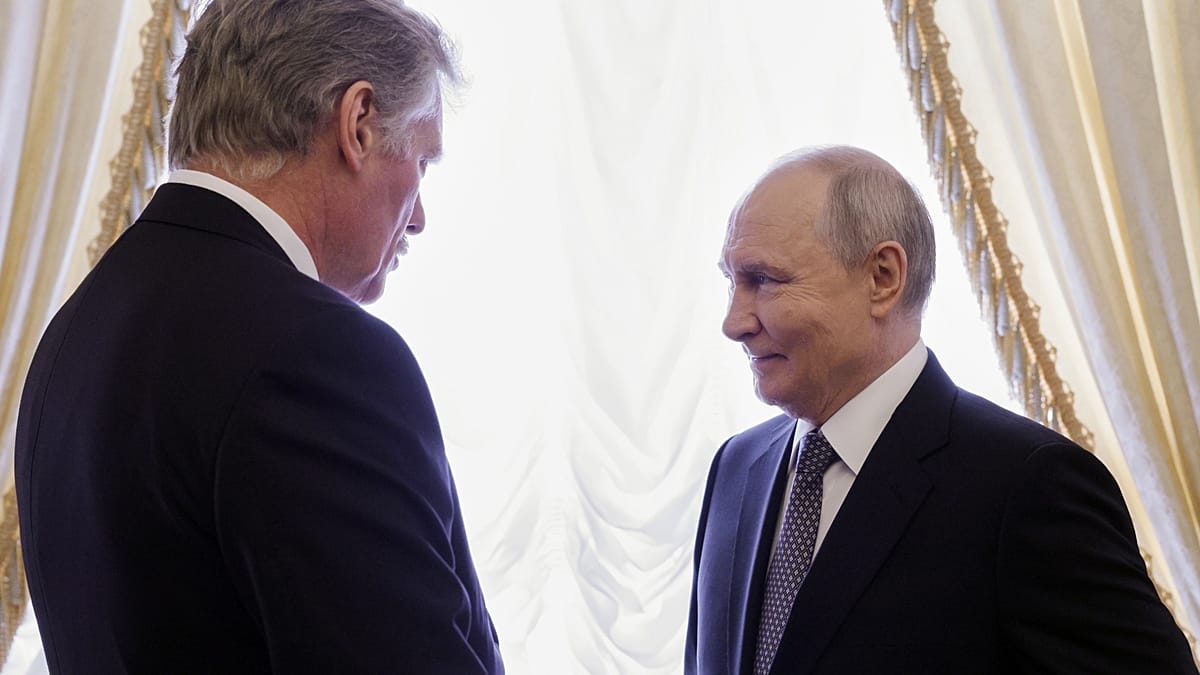
MOSCOW and DUBLIN — For nearly two years, Russia’s exclusion of the European Union from peace negotiations on Ukraine had become a sticking point for both sides. That policy, however, now appears to be shifting: on November 14, 2026, Kremlin spokesperson Dmitry Peskov indicated that Moscow would no longer dictate the European Union’s participation in upcoming Ukraine peace talks, a move widely interpreted as a tentative opening after months of stalemate.
This change of tone follows intense lobbying by U.S. mediators and a coordinated effort among EU leaders. As peace efforts led by U.S. envoys Jared Kushner and Steve Witkoff continue behind closed doors—including rounds in Moscow and Dublin—the question of who will represent Europe, and under what terms, has absorbed capitals from Paris to Warsaw.
From Exclusion to Openness
Until this week, Russia stood firm on sidelining the EU, blaming European military aid and sanctions for prolonging the war. That hard line was most evident during recent trilateral talks in Abu Dhabi, where EU envoys were formally excluded. Only after the U.S. pressed for a broader negotiating table, and with diplomatic signals from European capitals, did Moscow hint it may no longer block European participation outright. This shift does not mean blanket acceptance of EU delegates, however; Russian officials maintain that genuine intent to advance peace will be the required entry ticket.
Europe Asserts Its Stake
EU leaders, meeting in Dublin on November 13, quickly coalesced around a joint response, forming a negotiating team from key institutions and five member states: the United Kingdom, France, Germany, Italy, and Poland. Their message, emerging from prior weeks of public disagreements on representation, was unequivocal: Europe’s security architecture must be made by Europeans themselves. The bloc now awaits Moscow’s formal decision on the delegation’s presence at the main table.
Yet, doubts persist about the Kremlin’s actual willingness to engage the EU as a full partner. Some Russian statements to Western outlets have been cautiously optimistic, while other reports describe ongoing skepticism or conditional overtures from Moscow, including a demand for the EU to prove a genuine “readiness to contribute” to peace—a status that Russia claims is not yet evident.
What’s at Stake and What’s Next
The EU, since Russia’s invasion of Ukraine in February 2024, has been among Kyiv’s staunchest supporters, risking its own unity and security by providing arms and imposing sweeping sanctions on Russia. Moscow’s new flexibility could offer the bloc a critical role—and a direct say—in shaping any future settlement, but leaves open many unanswered questions. These include the fate of annexed territories in Ukraine, security guarantees for both sides, and responsibilities for postwar reconstruction.
For now, negotiations remain in flux. No side has sealed an agreement on the format or substance of peace talks. American officials orchestrating backchannel contacts hope Moscow’s statement is the prelude to a more inclusive diplomatic process—but France, Germany, and Poland have all cautioned that without real buy-in from all principal parties, substantive progress will remain elusive.
With the next round of negotiations tentatively scheduled for later this month, diplomats from Moscow, Kyiv, Brussels, and Washington continue what one senior European official described as a “meticulous, uncertain dance.” If Europe does join forthcoming talks, it would mark the first coordinated multilateral meeting of this scale since the war’s escalation in 2024. Whether this signals a turning point in Europe’s security order—and its role in ending the war—now rests on whether words in Moscow can turn into practical, sustained diplomacy at the table.