
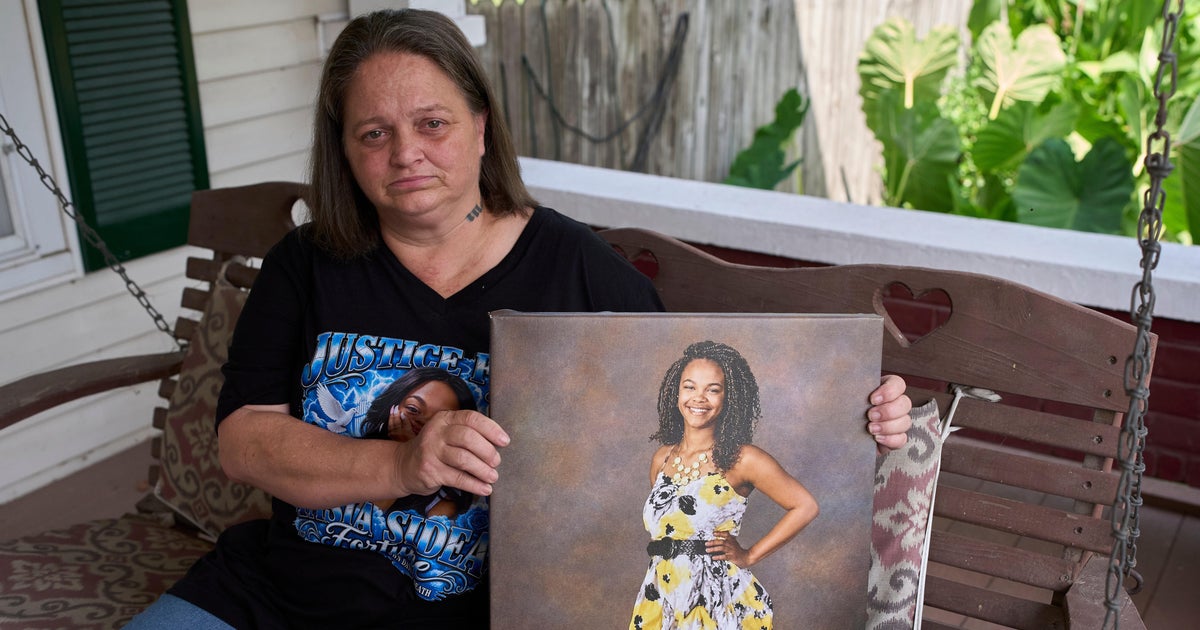
The death of Tasia Fortune, a 29-year-old Black woman discovered hanging from a tree behind an abandoned house in Jackson, Mississippi, has gripped the city and broader public amid official revelations, simmering community distress, and the shadow of the state’s violent racial past. Since her body was found on August 3, 2026, the case has steadily unfolded to reveal a tangled criminal inquiry with multiple arrests, mounting pressure from civil rights advocates, and calls for clarity on motive and intent.
Jackson Police, responding to what initially appeared a suspicious death, began an immediate investigation. An autopsy was conducted by the Mississippi State Medical Examiner’s Office, but for weeks details about what specifically led to Fortune’s death were withheld. Community anxiety intensified, fueled by Mississippi’s legacy of lynchings and the visual parallels drawn by some between Fortune’s death and those historic atrocities—a context that has made official silence on the precise cause and manner of death even more fraught with consequence and scrutiny.
On September 10, a crucial development arrived: Jackson Police Chief RaShall Brackney publicly announced the medical examiner’s conclusion that Fortune was the victim of a homicide. The following day, police arrested 51-year-old Jarques Ratliff, characterized by authorities as having an “association” with Fortune. Police declined to elaborate on the nature of their connection.
The investigation gained further momentum on September 23, when police took 25-year-old Earnest Lloyd Jr. into custody, also charging him with murder. Almost immediately, detectives issued a warrant for a third, as-yet-unnamed suspect, signaling that authorities believe more individuals bear responsibility or possess critical information about the killing. However, the specifics surrounding the suspects’ relationships with Fortune and their potential roles remain under wraps as the procedural inquiry advances.
The events have driven renewed demands for transparency from residents and activists. The case has drawn national attention with some expressing concern that historical patterns of violence against Black residents in Mississippi might be echoed here, or that the investigation could be mishandled or lack transparency. Officials have faced questions about possible racial motivations, and although some reports allude to a personal dispute, the definitive motive is unclear as investigators continue to interview witnesses and review evidence.
Court proceedings for Ratliff and Lloyd are ongoing; as of mid-November, preliminary hearings have begun, but no trial dates have been set. Police and local authorities say the investigation remains active, with Fortune’s family and civil rights groups observing developments closely, intent on seeing full justice served.
For residents of Jackson and the broader Mississippi community, the Fortune case is more than a tragic loss—it is a reminder of unresolved wounds, and a call for vigilance as legal and investigative mechanisms are tested. What led to her death, and what may be revealed in court, remains pivotal not just for law enforcement, but for the moral accountability Mississippi will bear in confronting both its past and present.