
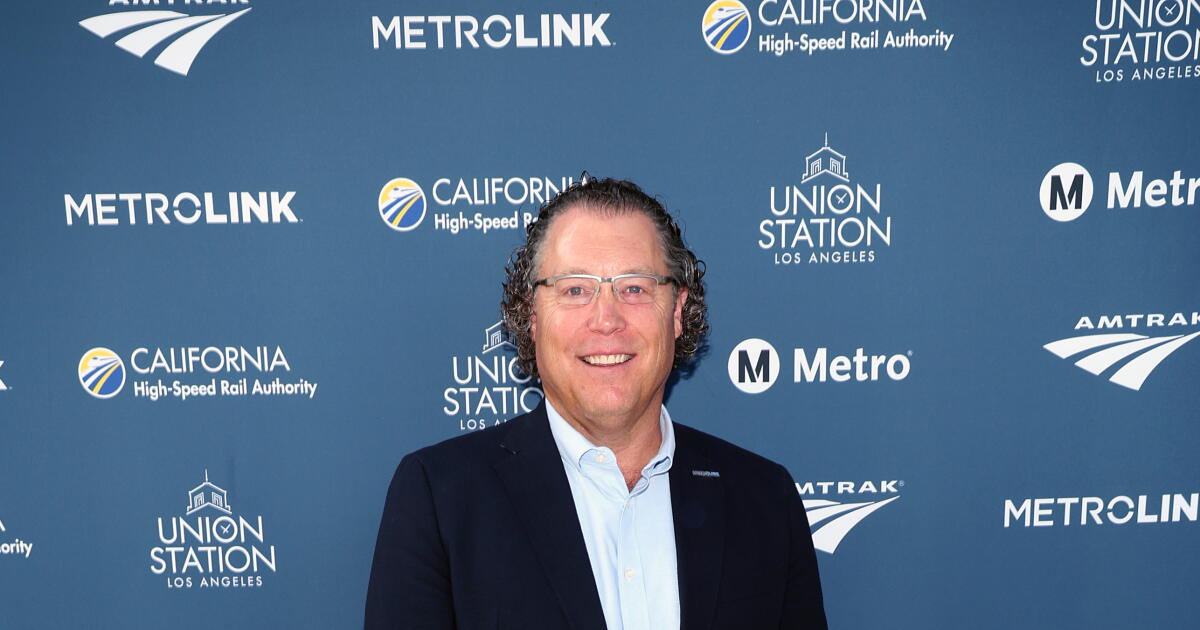
Southern California’s regional rail agency Metrolink has entered a transitional moment as CEO Darren Kettle announced he will retire on February 26, 2027, closing a 37-year career in public service. The announcement, released November 17, 2026, by Metrolink, arrives at a critical juncture: the agency is contending with lingering impacts from the pandemic, fiscal challenges, and scrutiny over safety and operational reliability.
Kettle has led Metrolink since September 2021, a period defined by clear shifts in ridership patterns due to COVID-19 and attendant destabilization of traditional revenue streams. Under his watch, Metrolink launched the “Metrolink Reimagined” initiative—an effort to modernize regional rail with more frequent, all-day service and improved connection options. Yet, even as service ambitions increased, budgetary headwinds loomed large.
Over the past year, Metrolink faced the prospect of drastic service reductions—including cutting weekday trains by a third and weekend service by 40%—in response to persistent deficits. A last-minute $20 million grant from the California State Transportation Agency staved off the most severe cuts, but the agency implemented fare increases of up to 27%, raising the cost of the weekly SoCal Day Pass from $15 to $19 as of October 2026 (Mass Transit, Los Angeles Times).
Compounding these pressures, Metrolink has come under legal and public scrutiny regarding its maintenance practices. In November 2026, former executive Donald Filippi filed a lawsuit alleging that neglected equipment maintenance led to multiple safety incidents—including a reported collision and train breakdowns. In response to such concerns, the Los Angeles Metro Board has authorized an external audit of Metrolink’s safety protocols and decision-making processes; those findings are yet to be released as of Kettle’s announced departure date (Los Angeles Times).
For Metrolink, Kettle’s retirement marks another significant leadership shift since Art Leahy stepped down as CEO in January 2019. The Board of Directors will now oversee the search for a successor tasked with addressing mounting operational, legal, and financial challenges, as well as restoring public confidence in Southern California’s most visible regional rail provider.
With the audit ongoing and questions persisting about long-term financial sustainability, Metrolink’s next stage will be shaped as much by boardroom decisions as by the unpredictable patterns of ridership and funding in the post-pandemic era. As the clock winds down on Kettle’s tenure, the agency prepares for a leadership transition amid some of the most consequential questions in its recent history.