
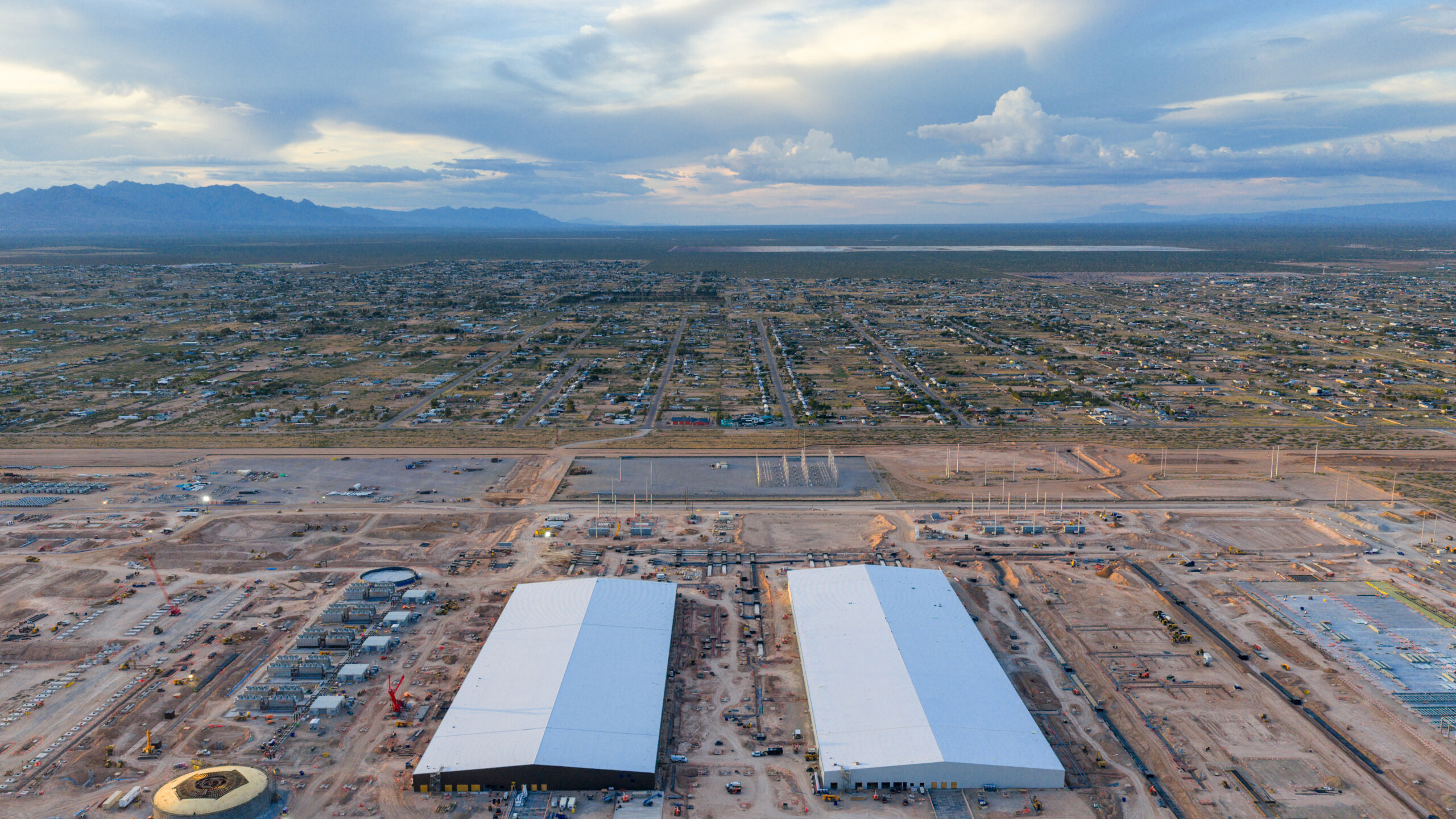
Meta Platforms is facing mounting environmental challenges after its 2026 Sustainability Report unveiled a 45% spike in greenhouse gas emissions last year—a direct consequence of the company’s rapid expansion of artificial intelligence (AI) technologies and data center infrastructure.
The latest figures, released November 19 and cited by industry outlets, paint a stark picture: total electricity use at Meta ballooned by nearly 35% in 2025 to just under 25 million megawatt-hours, with data centers alone responsible for more than 24.5 million MWh. Net emissions reached 11.8 million metric tons of CO₂ equivalent, a jump that outpaces industry peers including Microsoft, Google, and Amazon, whose emissions increases ranged from 16% to 25% over the same period.
Capital goods—particularly construction and equipping of new data facilities—now account for 73% of Meta’s emissions, rising 58% to 8.7 million metric tons. The company directly links this surge to unforeseen demand for AI infrastructure, which has dramatically accelerated its energy needs. Meta reports having secured over 30 gigawatts of clean and renewable energy, with roughly 12 GW currently in operation, but acknowledges that balancing aggressive infrastructure buildouts with emissions targets has become fraught as the AI arms race heats up.
Complicating efforts further, the report hints at potential reliance on on-site natural gas generation to meet urgent operational timelines if utility power falls short, potentially driving emissions higher still. Despite these headwinds, direct water consumption saw a marginal decrease, though water use in areas under high stress climbed by nearly a quarter, raising regional sustainability questions.
Amid these revelations, Meta signaled it is actively reevaluating its commitment to achieving net-zero emissions by 2030, warning that the rapid expansion of AI-related operations may put that goal out of reach. The move has not gone unnoticed by investors: growing expenditures on data centers and negative free cash flow have already driven Meta’s stock down by 7%, according to Axios. Still, the company maintains a robust balance sheet, with $82 billion in cash and marketable securities, allowing space to adjust strategies.
Meta’s situation brings into focus a broader industry reckoning over the environmental toll of AI and cloud computing growth. While the company is expanding its clean energy portfolio and reassessing sustainability strategies, its report underscores the difficulty of balancing digital ambitions with the urgent imperative to curb global emissions.