
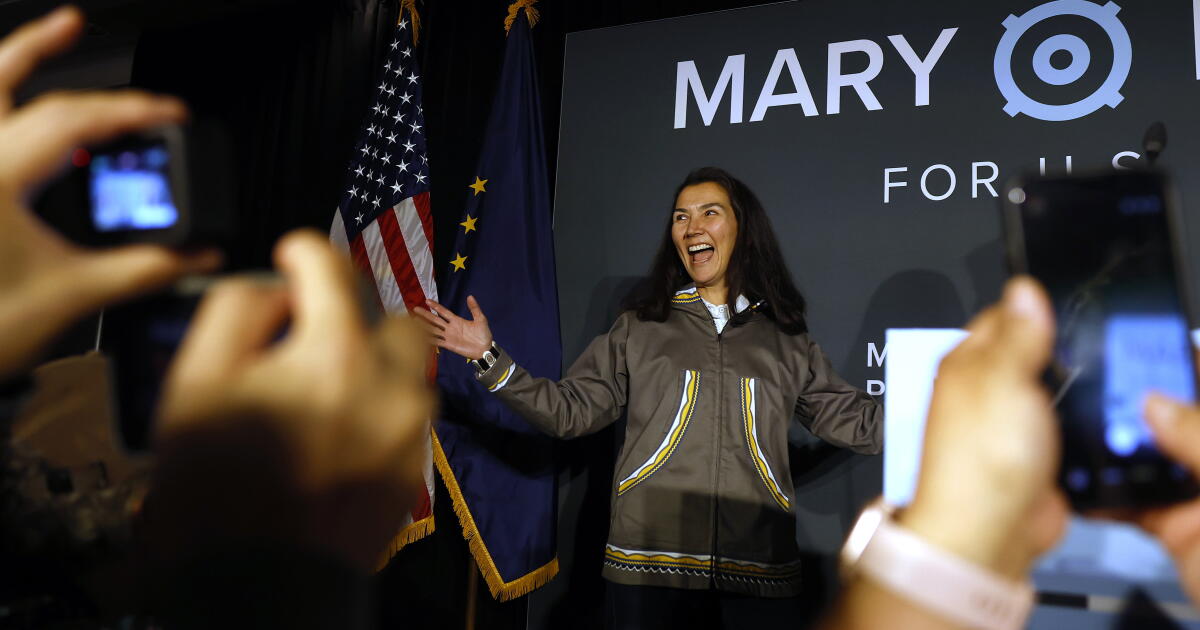
Mary Peltola has been declared the winner of Alaska’s 2026 U.S. Senate race, unseating Republican incumbent Dan S. Sullivan in a contest closely watched for its implications on both local history and the balance of power in Washington. Peltola’s victory, finalized November 17, makes her the first Democrat in over 18 years to win a U.S. Senate seat from Alaska, and she will become the state’s first Alaska Native woman to serve in the chamber when she takes office in January 2027.
The election, held November 3, saw approximately 287,896 ballots cast—a turnout representing about 47.9% of eligible voters statewide. Peltola secured 50.1% of the vote, outpacing Sullivan’s 45.8%. The contest did not require Alaska’s ranked-choice vote redistribution, as Peltola achieved a majority in the initial count. The Alaska Division of Elections is responsible for certifying these results; legal challenges brought over alleged voter confusion were dismissed by federal courts prior to certification (LATimes).
This result holds historic significance. Peltola’s model of coalition-building and a campaign focused on affordability, cost of living, and support for rural and remote Alaskan communities resonated deeply with a diverse electorate. She ran on an agenda emphasizing “Alaska First” priorities—supporting energy development, the state’s vital fishing sector, and policies aimed at lowering fuel and transportation prices. Peltola’s previous tenure as Alaska’s sole House Representative (2022–2025) helped her build statewide name recognition and networks, despite her 2024 re-election defeat.
Peltola’s win also provided Democrats with their 56th seat in the U.S. Senate, locking in a decisive majority and signaling wider Democratic advances in the 2026 midterm elections. Observers attribute some of the shifting party fortunes in Alaska to Peltola’s fundraising advantage—her campaign accrued over $36 million, compared to about $11.5 million for Sullivan—and to a national environment in which traditionally Republican-leaning states saw stronger challenges from Democrats.
The race was not without controversy. The presence of another candidate, Daniel J. Sullivan Jr., sparked allegations from Republicans of potential voter confusion, but a federal lawsuit aiming to block certification of the outcome was dismissed, and the U.S. Department of Justice’s appeal was unsuccessful. Peltola’s campaign has denied any involvement related to this candidacy, and Alaska’s courts found no evidence of wrongdoing or irregularity substantial enough to affect the result.
As Peltola looks toward the start of her Senate tenure, her victory is poised to influence not only policy debates concerning Alaska’s distinctive challenges—such as infrastructure, energy, and indigenous rights—but also the strategic approaches of both major parties in future Alaska and national elections.