
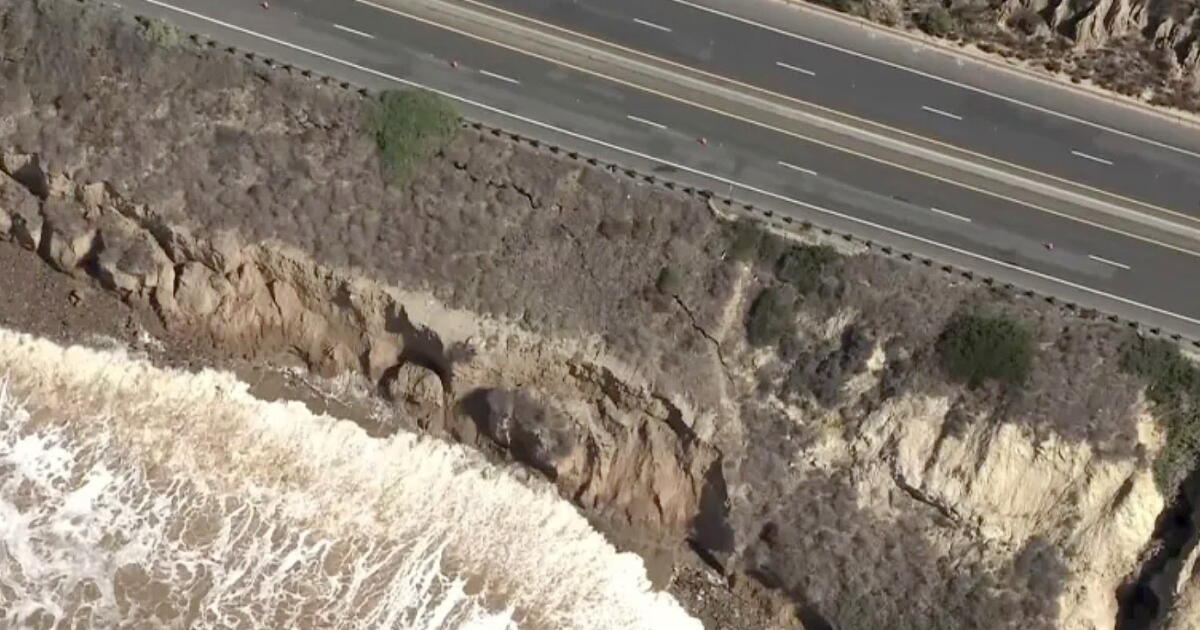
Southern California’s famed Pacific Coast Highway (PCH) remained marked by disruption this week, as an extensive coastal crack forced partial closure and raised fresh alarms about the region’s vulnerability to erosion amid intensifying storms.
The closure, still in effect as of mid-November 2026, follows the emergence of a 360-foot-long, two-foot-wide crack in the coastal bluff supporting the PCH just north of Laguna Beach. The fissure, first documented on October 10 by California Department of Transportation (Caltrans) engineers, prompted the immediate shutdown of a southbound lane between Reef Point Drive and Irvine Cove Drive, a stretch popular with both commuters and tourists.
Emergency Response to Escalating Risks
According to official updates, Caltrans quickly secured $4 million in emergency funds to try and stabilize the slope—a reflection of both the scale and urgency of the threat. Engineers initially covered the fissure with vast sheets of plastic to stave off rain infiltration, with further work involving the placement of heavy rock and ongoing development of more substantial solutions. Stabilization remains active, with work crews and geological monitoring on-site, as detailed in extensive reporting by the Los Angeles Times.
Experts cite a convergence of forces behind the recent instability. A hyperactive storm season, fueled by record-breaking hurricanes in the Pacific, has battered California’s beaches with fierce waves and saturated bluffs, compounding the longer-term impact of sea-level rise and El Niño–linked precipitation. The current fissure, though alarming, is only the latest in a series of erosional events that have claimed homes, infrastructure, and beaches stretching from Long Beach to Malibu.
Ripple Effects for Communities and Businesses
The current closure affects thousands of daily trips on PCH and has stoked anxiety among nearby residents and businesses. While the looming crack is not directly beneath any hotel, as some early reporting suggested, the closure’s impact on the corridor leading to coastal resorts has generated concern. Businesses dependent on drive-by tourism and local customer traffic are reporting declines, while property owners remain wary as rains continue into the fall.
Caltrans and local officials have provided regular updates, with no immediate estimate for full reopening. While engineers are optimistic about short-term control, the long-term stability of the area remains far from assured. “This is a symptom of ongoing coastal vulnerability,” one agency statement noted, pointing to the need for sustained mitigation and adaptation along California’s iconic but fragile shoreline.
Wider Implications
Southern California’s experience this fall is a stark reminder of the evolving risks facing the Golden State’s coast. Atmospheric extremes, sea-level rise, and development patterns are converging to produce more frequent and more costly disruptions. As stabilization work continues north of Laguna Beach, planners, residents, and elected leaders alike face renewed pressure to adapt—decisions likely to reverberate far beyond the stretch of PCH now marked by plastic sheeting and warning signs.