
In a move spotlighting the growing tension between university autonomy and athletic conference authority, Louisiana State University officially added RJ Luis Jr., the 2025 Big East Player of the Year, to its men’s basketball roster on November 17, 2026. The roster addition comes just days after a Louisiana district judge barred the Southeastern Conference (SEC) from penalizing LSU for including Luis—despite the conference’s rules prohibiting athletes with prior professional contracts from competing.
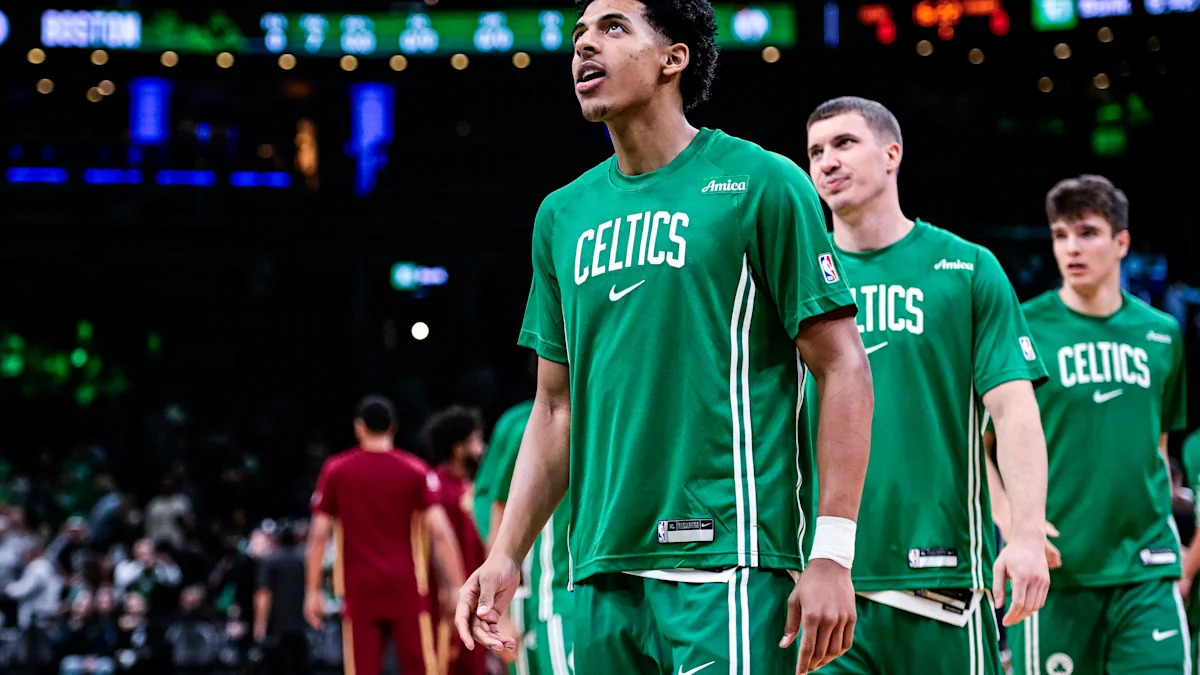
At 23, Luis arrives with significant credentials. After starring at St. John’s University, he had brief offseason stints with the NBA’s Utah Jazz and Boston Celtics, though he never played in a regular-season game. His path back to collegiate basketball was clouded by a complex eligibility dispute: While the NCAA was ordered not to block his participation, the SEC continued opposing his entry, citing strict policies against former professional athletes.
The impasse escalated over the summer, culminating in Louisiana District Judge Ronald R. Johnson’s November 13 preliminary injunction against the SEC. The court order prohibited the conference from taking action against LSU for rostering Luis, ensuring the player’s immediate eligibility. LSU promptly named Luis on its team list, just as the squad prepared to face Louisiana-Monroe on November 18—a contest where it’s not yet known if the former All-American guard will debut.
The SEC, however, met LSU’s announcement with a sharp rebuke. In a public statement, conference officials called the move “deeply concerning and disappointing,” arguing that LSU’s actions contradict the values of SEC membership. Yet LSU President Wade Rousse cited the university’s duty to uphold both NCAA and SEC policies, while also emphasizing compliance with state court orders. Rousse stressed that the court’s decision preceded the SEC’s most recent policy guidance and affirmed the university’s intent to observe conference rules moving forward.
The case has reignited debate over how much autonomy national conferences should wield when their rules come into conflict with state court mandates. LSU’s legal standoff with the SEC is not entirely resolved; though the current injunction shields the university from sanctions, the broader question of conference authority and athlete eligibility remains at play. The SEC has signaled it will continue pursuing legal options to enforce its policies.
Meanwhile, with LSU entering the season ranked No. 25 in the AP Top 25, Luis’s addition could have an outsized impact on both the team’s prospects and the evolving legal landscape of college sports. The ultimate resolution of this standoff may shape not only the remainder of the Tigers’ campaign but also set precedent for future disputes over player eligibility within collegiate athletics.