
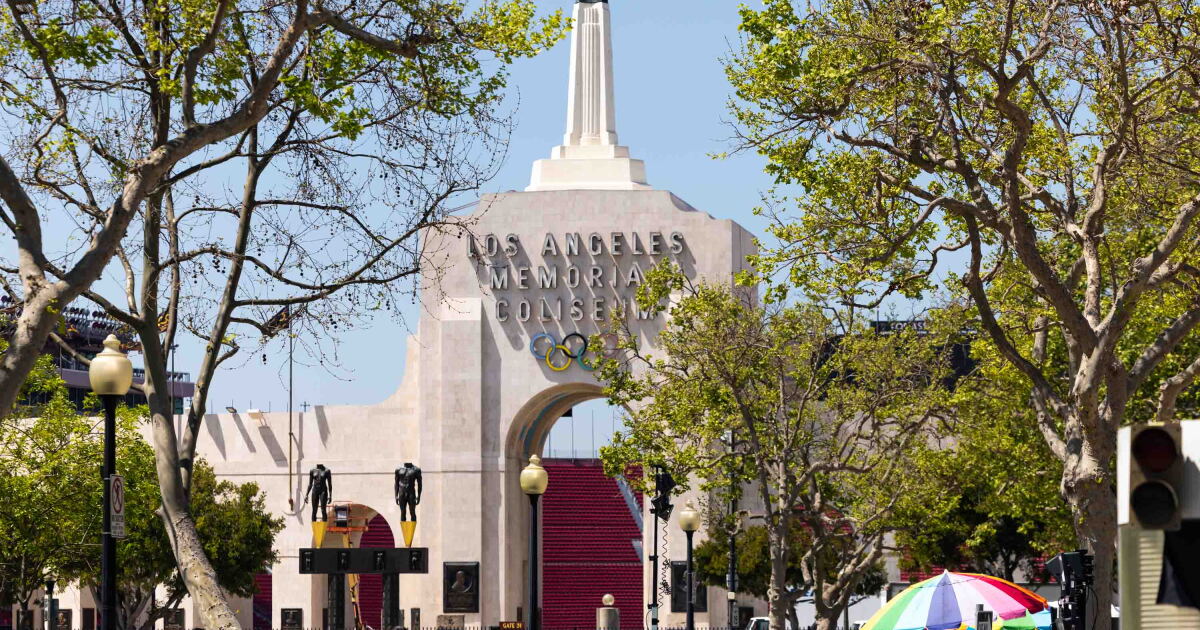
As Los Angeles readies itself for the 2028 Olympic and Paralympic Games, the city’s Civil Rights Department is raising urgent concerns about its capacity to protect residents and visitors. Having lost nearly half its staff over two years due to budget reductions, department officials say they need a significant funding boost to handle an expected rise in human rights complaints tied to the massive international event.
The department’s staff has fallen from 44 to just 26 since 2024, leaving open numerous positions crucial to its mission—including the office’s only Spanish-speaking special investigator. According to department leadership, ongoing budget pressures have made it impossible to recruit for vacancies, stretching remaining personnel thin at a moment when the city is bracing for a unique set of civil rights challenges.
“We anticipate a substantial uptick in reports of discrimination, particularly in commerce—hotels, restaurants, retail, and other public accommodations,” department representatives noted in recent briefings to the City Council’s ad hoc Olympics committee. These concerns reflect lessons from previous Olympic host cities, where global attention intensified scrutiny on civil and human rights enforcement.
To protect the rights of athletes, spectators, and local residents alike, the department has requested an additional $696,000 in operational funding. As of November 17, city officials have not allocated the funds, leaving the agency’s preparations in limbo with less than two years left to build capacity.
The prospect of handling a potential surge in civil rights complaints with limited resources has worried advocacy groups and city leaders, who see the months leading up to the Olympics as a critical period for ensuring equitable treatment. The department’s inability to fill language-specific roles, such as the Spanish-speaking investigator, has also raised concerns about accessibility for diverse communities that are likely to interact with the city during the Games.
This funding request and warning come as no surprise within Los Angeles government, where repeated rounds of budget cuts have forced the Civil Rights Department and other agencies to scale back services for years. Still, the size and profile of the upcoming Olympics have put new pressure on city officials to act. As the City Council continues deliberating the budget, the fate of the funding request—and by extension, the city’s civil rights readiness—remains uncertain.
With the international spotlight approaching, stakeholders across the city are watching closely to see whether Los Angeles will provide the resources needed to safeguard human rights during its moment on the world stage.