
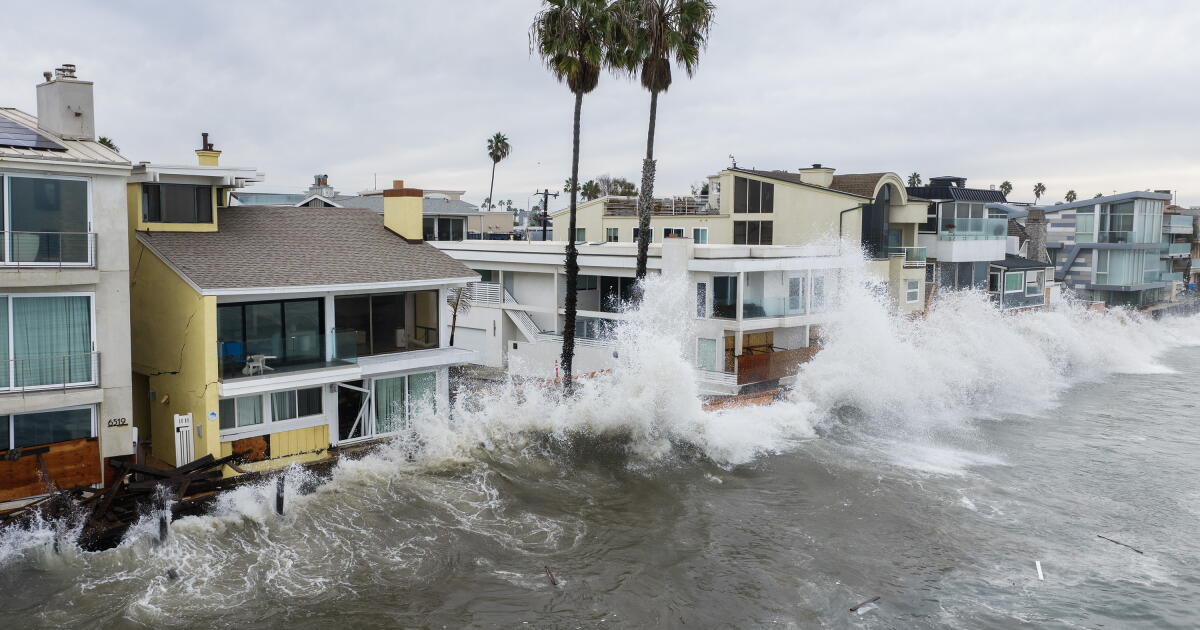
Weeks after the remnants of Tropical Storm Rachel pummeled Southern California, beaches and popular coastal sites continue to struggle with the aftermath. From Newport Beach down through San Diego, communities are surveying the extensive toll left by flooding, erosion, and infrastructure failures along the shore.
Tropical Storm Rachel, which made landfall in Baja California on October 10, 2026, unleashed unusually high tides and surf on the Southern California coast. In Newport Beach, city officials declared a local emergency on October 9 after elevated ocean levels inundated neighborhoods and public spaces. The city’s piers and all beaches were closed, while in Long Beach, hazardous wave conditions and erosion forced evacuations and left several beachfront homes red-tagged as unsafe, according to published reports from the Los Angeles Times and Washington Post.
California State Parks, which oversees a number of Orange County’s most visited beaches, continues leading emergency cleanup and infrastructure repairs in the hardest-hit areas. According to an October 15 update, parks such as Crystal Cove, Doheny State Beach, and San Onofre State Beach sustained major damage: severe coastal erosion cut into bluffs, closed beach access trails, and rendered key facilities – including historic beach cottages – temporarily unusable. Repairs are particularly concentrated at Crystal Cove, where North Beach Cottages only recently reopened after water line repairs, while South Beach Cottages and key bluffs remain closed due to stability concerns.
Emergency protection remains underway, with State Parks crews deploying sandbags and structural supports to vulnerable historic sites and damaged infrastructure. Coordination with the California Coastal Commission and Caltrans seeks both to stabilize dangerous areas and to identify longer-term resilience strategies, officials said. At Doheny State Beach, storm debris is still being cleared and certain parking areas remain off-limits because of persistent standing water.
While the worst immediate threats have passed, full recovery appears months away. Local officials and state agencies are only beginning to assess the broader environmental impacts, the future of public access, and what measures will be needed to protect these heavily used coastlines against future extreme weather. Tropical Storm Rachel marked just the second time in history that California came under a tropical storm watch – a rare event echoing the warning issued for Hurricane Hilary in 2023, reflecting the growing risk of intense storms pushing further north.
For now, visitors to beaches along the Orange County coast are advised to heed posted warnings and closures, as conditions remain hazardous in several locations. The response to Rachel’s impact may become a turning point for coastal resilience policy as climate-driven extremes test the limits of existing protections.