
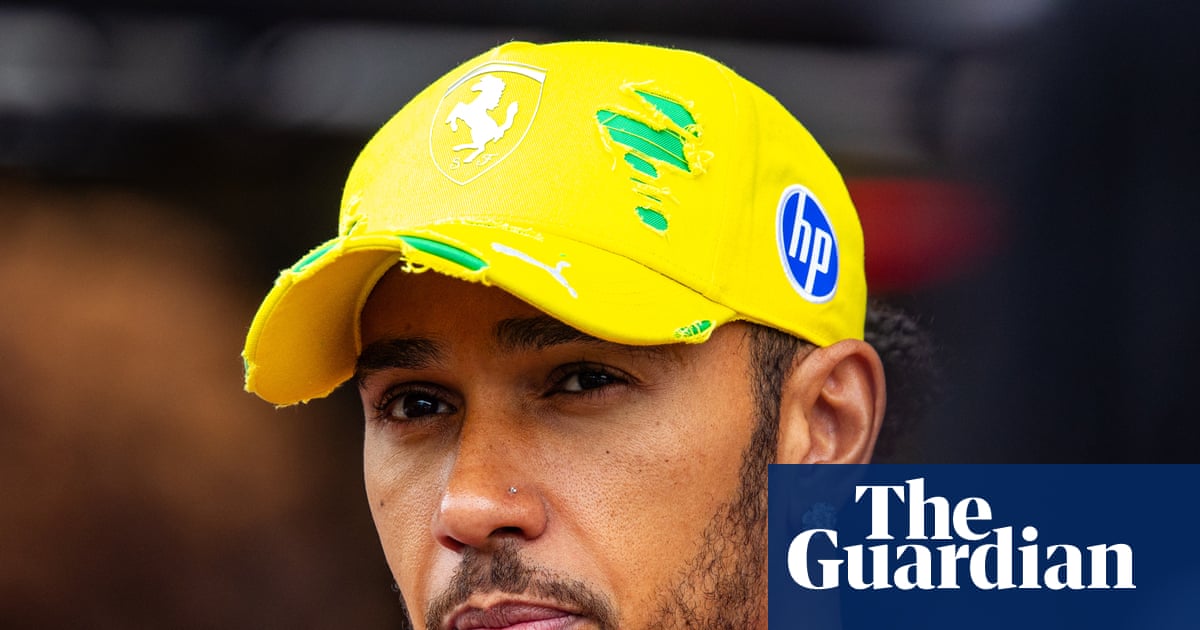
Lewis Hamilton, the seven-time Formula 1 World Champion, has called for urgent and concrete action to improve diversity and inclusion throughout motorsport after a new report underscored persistent inequality in the sport’s workforce and pipeline. Speaking on November 16, 2026, Hamilton referenced growing support for change but pressed Formula 1 and its governing bodies to do more than inspire—demanding systemic opportunity for those underrepresented in the sport.
The report, “Igniting Inclusion”, commissioned by Hamilton’s charitable foundation Mission 44, shows that although Formula 1 teams and organizers have taken initial steps since 2021, barriers remain for Black individuals, women, and people from lower socioeconomic backgrounds. According to the report, meaningful progress has stalled in part because of weak data collection and limited transparency on the hiring and promotion of diverse talent.
To address these issues, Mission 44 is pushing specific new measures. Recommendations include requiring Formula 1, the FIA, and all eleven teams to submit annual workforce data broken down by gender, ethnicity, and socioeconomic background. This data, the report insists, should be collected by an independent partner and made public to drive accountability and allow fans and stakeholders to track results.
Hamilton’s foundation is also calling for a collective investment of £50 million ($66 million) over the next five years, earmarked to boost the entry and advancement of young people from historically excluded backgrounds. In concrete terms, teams would commit to creating a set number of paid, accessible early-career roles each year—with a target of several thousand such opportunities by the decade’s end.
Backing up the urgency, a new fan survey conducted for the report found that 80% of respondents across the UK, US, and Brazil believe greater representation would help F1 attract new fans and sponsors. Nearly two-thirds (64%) said the sport’s leadership should do more to advance inclusion.
“Formula 1 is inspiring millions of young people around the world. But inspiration means nothing without opportunity,” Hamilton stated, as quoted in coverage of the report, reflecting both hope and frustration at the sport’s current pace of change.
These recommendations build on Hamilton’s longstanding advocacy work. In 2021, the Hamilton Commission’s landmark findings laid bare the scale of underrepresentation in motorsport, prompting the launch of Mission 44 to drive targeted change. Yet, as the new report notes, concrete outcomes remain limited. The adoption of the fresh recommendations by Formula 1 or its governing bodies is not confirmed, meaning much depends on whether teams and organizers now act on the proposals.
The debate—and the data gathering—continue, but for Hamilton and those behind “Igniting Inclusion,” the challenge is clear: without public accountability and real financial backing, the transformation of Formula 1 into a stronger, fairer, and more open sport will remain unfinished business.