
The aftermath of the 2026 U.S. midterm elections, which saw Democrats gain control of both chambers of Congress, has triggered a period of uncertainty and diplomatic recalibration across Latin America. Countries whose conservative leaders forged close alliances with President Trump now face a transformed Washington—and a new set of calculations about how best to navigate changes in U.S. policy.
In Colombia, Foreign Minister Omar Bula issued a public apology for previous social media posts that disparaged top Democratic figures, calling his earlier comments “inappropriate and disrespectful.” This gesture, coming just weeks after the Democratic midterm sweep, highlights broader anxieties among governments across the region about future ties with an ascendant Democratic leadership in Washington (batimes.com.ar, Nov 18, 2026).
Scrutiny Intensifies Over Past Alignment
Analysts suggest that the Democratic tidal wave in Congress will bring renewed oversight of U.S. relations with Latin America, specifically targeting the Trump administration’s close cooperation with conservative governments. “We’re already seeing Latin leaders recalibrate, but also a real sense that congressional Democrats are preparing for policy reviews, especially on issues like Venezuela and cross-border trade,” noted political observers (abcnews.com, Nov 11, 2026).
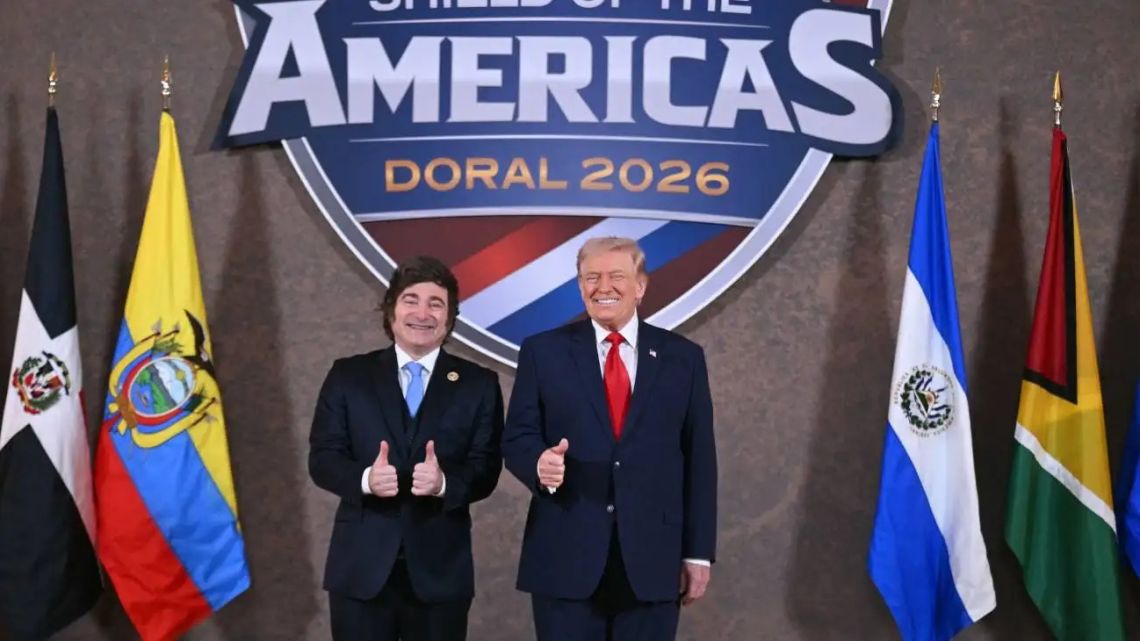
During Trump’s second term, the White House backed high-profile military and interdiction operations in the Caribbean and eastern Pacific, actions which resulted in hundreds of deaths among alleged drug-traffickers. The U.S. also led the Shield of the Americas Summit in March, a demonstration of forceful coordination against crime that now faces heightened scrutiny as Democrats call for accountability and transparency in such operations (batimes.com.ar, Nov 18, 2026; en.wikipedia.org, March 2026).
Regional Realignment and New Foreign Ties
The shifting balance in Washington comes just after Brazil’s left-leaning President Luiz Inácio Lula da Silva secured reelection in October, seen by many as evidence of a growing pushback against rightist populism in the hemisphere (washingtonpost.com, Oct 24, 2026). Meanwhile, countries like Colombia and Brazil have already started diversifying foreign partnerships, deepening bilateral ties with China and Russia as a hedge against U.S. pressure. The Trump administration’s imposition of tariffs on Latin American currencies, trade partners, and the withdrawal from several international organizations have accelerated this strategic rebalancing.
Increased Oversight and Uncertainty
With Democrats now firmly in charge of Congress, experts foresee greater scrutiny of U.S. military actions abroad and calls for closer monitoring of security and trade agreements. In Venezuela, where the U.S. played a central role in ousting President Nicolás Maduro, leading Democrats have demanded investigations into oil contracts and the restoration of democratic institutions (abcnews.com, Nov 11, 2026).
As the Democratic House and Senate prepare to put their stamp on U.S. foreign policy, the region’s leaders are watching closely—uncertain whether past loyalties to the Trump agenda will hinder or help their diplomatic standing under the new majority. For now, recalibration, not rupture, defines the Latin response to Washington’s post-election shakeup.