
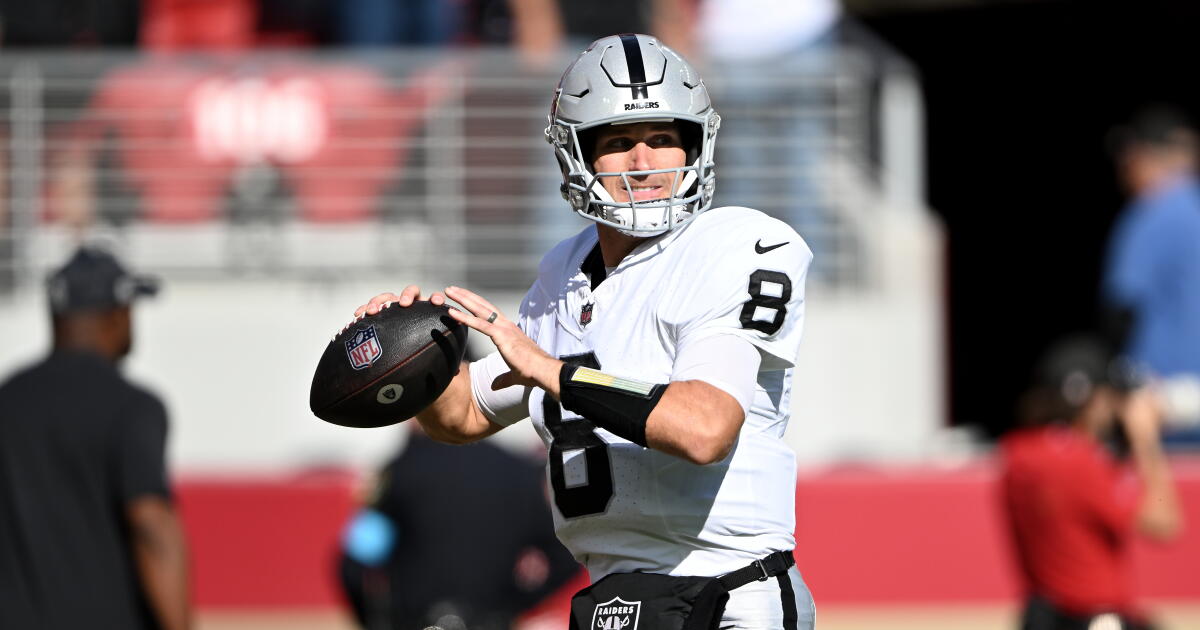
After an offseason of dramatic quarterback changes and a volatile start to the year, the Minnesota Vikings are turning to a familiar face in a bid to salvage their campaign. On November 10, the Vikings officially acquired quarterback Kirk Cousins from the Las Vegas Raiders in exchange for a 2027 third-round draft pick, the teams announced. The deal is contingent on Cousins passing a physical, but Minnesota wasted little time naming him their starter for the upcoming matchup against the Green Bay Packers.
The trade marks a significant juncture for both organizations. For the Vikings, an elite defensive unit has been undermined by one of the NFL’s least productive offenses — including ranking 31st in both passing and total yardage — despite new signings and returned veterans. After starter Kyler Murray went down with a hamstring injury, backup Carson Wentz struggled, most recently in a lopsided loss to the Buffalo Bills. Desperate for offensive stability, head coach Kevin O’Connell will now reunite with Cousins, who previously led the team to multiple playoff appearances and three Pro Bowls from 2018 to 2023.
Cousins, 38, comes off a productive but short stint in Las Vegas, where he completed 64.1% of his passes for 2,340 yards, 20 touchdowns, and 8 interceptions over nine games, notching a passer rating of 97.1. The veteran originally signed a five-year, $172 million deal with $20 million guaranteed just months earlier, but the Raiders pivoted with top draft pick Fernando Mendoza — the No. 1 selection in the 2026 NFL Draft — now appointed as the franchise’s starting quarterback.
“This was a hard decision,” Raiders general manager John Spytek told reporters Tuesday, adding that Minnesota had initiated the talks on deadline day. Despite not actively shopping Cousins, Spytek said the move reflected the team’s commitment to Mendoza’s future. Mendoza, a heralded rookie and Heisman Trophy winner, will make his first start for the Raiders against Seattle on Sunday.
The trade will have significant financial implications: Minnesota absorbs a $650,000 veteran minimum salary for Cousins for the rest of the season and a $10 million roster bonus due in March 2027. But for the Vikings, whose offense has consistently faltered even as their defense leads the league in scoring prevention, the urgency is clear. Having once lost Cousins to a major injury and then free agency, the franchise now bets that he can reignite an attack that has failed to break 16 points in five of eight games this season.
The deal leaves lingering questions about team chemistry and how quickly Cousins can adapt to his old locker room, as well as whether Mendoza’s ascent can keep the Raiders competitive in a congested playoff race. For now, both teams are banking on bold quarterback moves to define their stretch runs — with the first answers due as soon as the coming NFL weekend.