
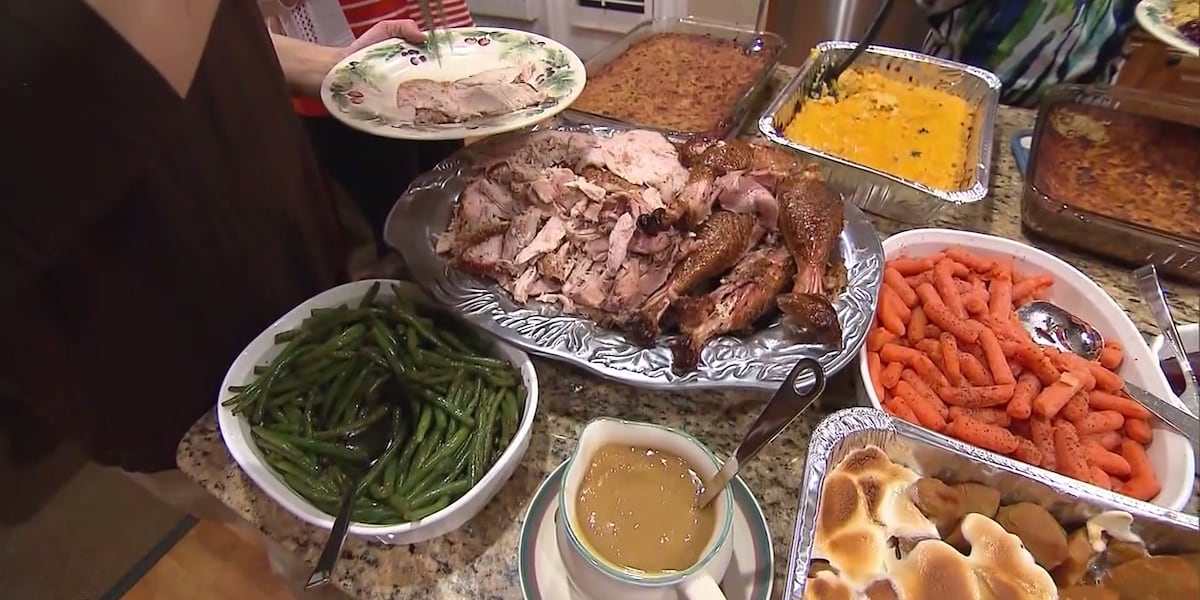
With Thanksgiving approaching, food safety experts at Kansas State University are sharing a timely set of recommendations to help Kansans and Americans nationwide reduce the risk of foodborne illnesses during the holiday gathering—a recurring annual concern as kitchens fill with raw ingredients and busy hands.
Central to their advice is careful thawing of the holiday turkey. According to K-State experts, a 12- to 15-pound turkey requires three to four days in the refrigerator to defrost fully. Their guidance: allow about 24 hours of thawing time for every 4 to 5 pounds of poultry, and never attempt to thaw turkey at room temperature—a practice the FDA also warns can allow dangerous bacteria to grow rapidly (FDA).
“Don’t wash your turkey,” the experts emphasize, explaining that rinsing can spread contamination across counters and sinks—a tip echoed by both Kansas State and the FDA. Foodborne pathogens such as Salmonella and Campylobacter can easily become kitchen-wide hazards if raw juices are splashed onto nearby foods or preparation surfaces.
To further prevent cross-contamination, both the FDA and K-State recommend preparing ingredients in advance and routinely washing hands, cutting boards, knives, and other equipment between different foods. Using one cutting board for raw meats and another for vegetables is encouraged. Keeping raw and cooked foods apart at every stage of preparation and storage greatly reduces the risk of transmitting harmful bacteria.
On the day of the feast, experts urge cooks to use a food thermometer rather than relying on visual cues to gauge doneness. The internal temperature of turkey—measured at the thickest part of the breast and thigh—should reach a minimum of 165°F. Stuffing, whether cooked inside or outside the bird, should also hit this safety threshold before serving.
Post-meal, Kansas State’s advice is clear: don’t let leftovers remain on the counter for more than two hours. To ensure rapid cooling and deter bacterial growth, use shallow containers when storing holiday dishes. If refrigerator space runs short, experts suggest that a secondary cooler packed with ice is a safe option for holding overflow.
When reheating, the USDA recommends returning leftovers to an internal temperature of 165°F before serving. Both government and university sources agree: good hand hygiene, frequent cleaning of surfaces, and strict separation of raw and ready-to-eat foods are the best defenses against holiday-related foodborne illness.
By following these science-based tips, families can focus on enjoying the holiday—confident that their meal is as safe as it is festive.