
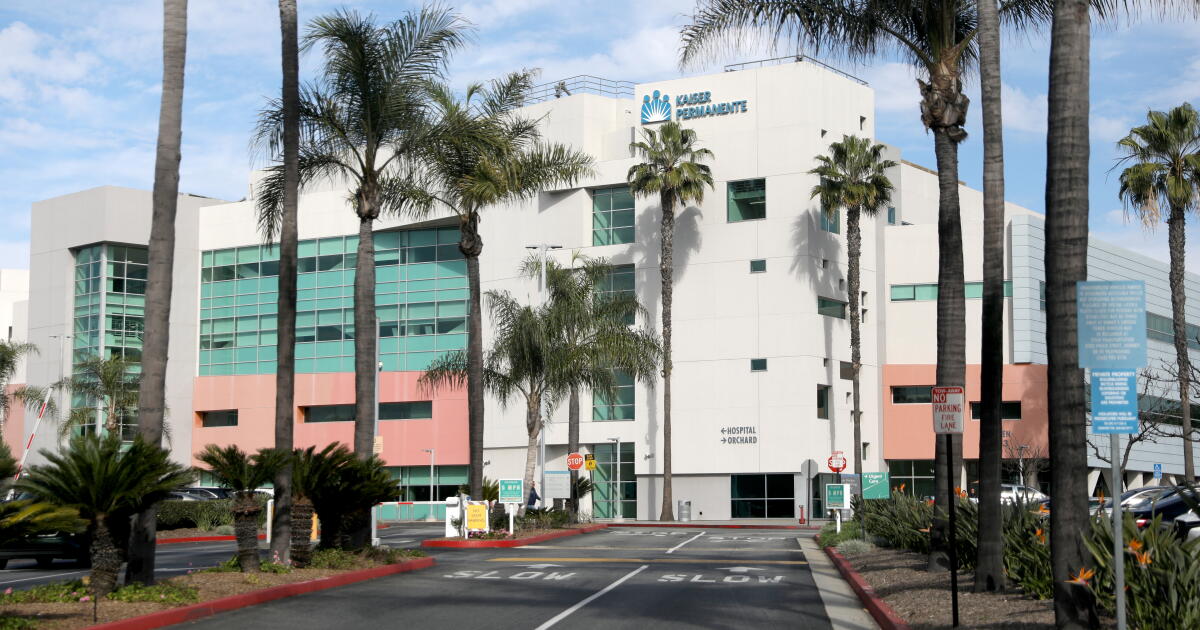
In what union leaders are calling a milestone for the health sector, more than 2,200 mental health clinicians at Kaiser Permanente across Northern California and the Central Valley have ratified a new labor contract with robust protections related to artificial intelligence (AI) and job security, according to union and news reports. The four-year agreement, approved by 97% of voting union members and with about 80% turnout, marks the strongest consensus on a major contract for this cohort in years.
The contract’s most immediate impact is a prohibition on layoffs for clinicians until late 2029, offering rare assurance of job stability in a healthcare landscape increasingly shaped by technology. Under its terms, Kaiser must give clinicians advance notice about any significant changes to care models, including the introduction or expansion of AI or other digital tools. A union-appointed advisory team of clinicians will provide input, and the union reserves the explicit right to negotiate over how new technology is rolled out in practice, should Kaiser pursue such steps.
Financially, the agreement includes an immediate 9.5% pay increase and cumulative wage hikes of about 17% over the four-year term. The deal is designed to take effect retroactively from the expiration of the last contract in September 2025.
AI in Healthcare: Still Contested Ground
The contract’s AI guardrails were a focal point of over a year of contentious bargaining, sparked in part by clinicians’ anxieties over job displacement and patient safety as AI tools proliferate. In March this year, clinicians staged a one-day strike emphasizing demands for a human-centered approach. The union remains wary, noting that while the new contract institutes important checks, it falls short of the union’s original calls for stronger binding limits on automated tools in mental health treatment.
Ilana Marcucci-Morris, union spokesperson, characterized the agreement as a “big victory” that provides critical time for the workforce to adapt and strategize for a future that keeps care “human first.” However, the union is pressing on with its complaint to the California Department of Managed Health Care, alleging that Kaiser’s use of algorithmic screening tools may shift key treatment decisions away from licensed professionals. That issue remains unresolved.
Kaiser Permanente’s official line, according to spokesperson Candice Lee, stresses that AI’s role is to “support, not replace, human assessment and care,” and points to AI’s potential to enhance diagnostics and strengthen clinician-patient relationships. Yet clinicians remain on alert for future changes, with the new contract cementing their ability to weigh in and bargain collectively if AI use expands.
Background: Long Negotiation and Industry Implications
The ratified contract follows years of labor unrest in Kaiser’s mental health division, highlighted by high-profile strikes as recently as October 2024 over similar concerns about workload and quality of care. The outcome in California may serve as a signal for labor negotiations in other health systems as employers accelerate deployment of AI in clinical settings.
With the ratified agreement now in effect, attention turns to the state healthcare regulator’s review of the union’s complaint, and to how the parties will navigate the inevitable evolution of care brought by digital tools. For thousands of clinicians—and the patients they serve—California’s experiment with AI guardrails and labor input will be closely watched well beyond the state’s borders.