
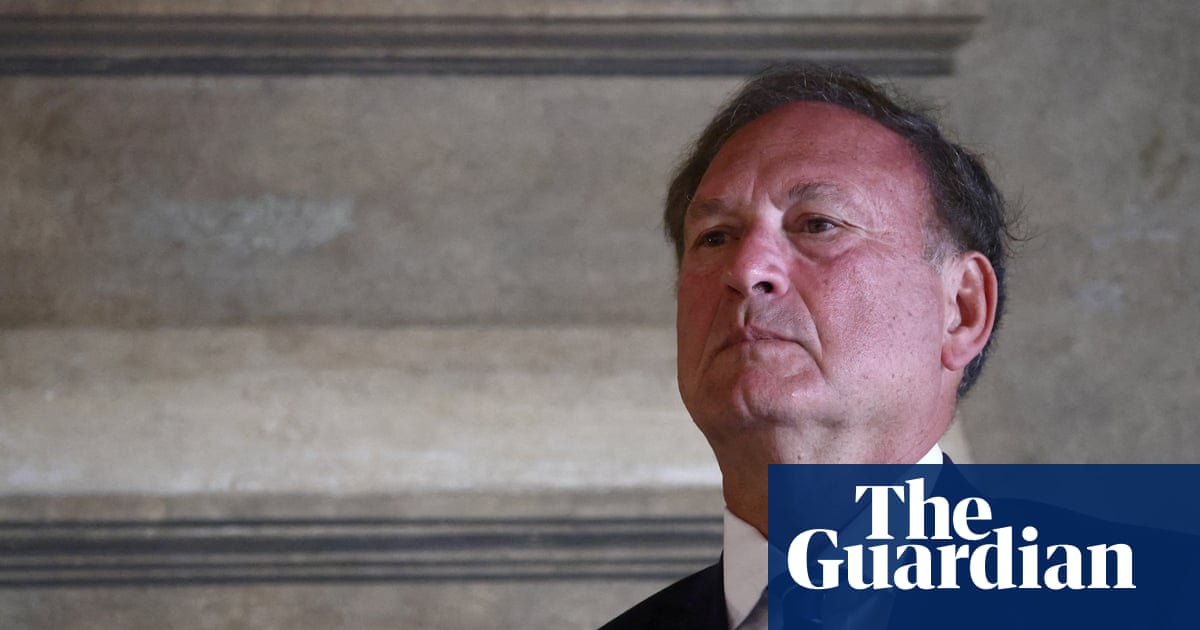
As the U.S. Supreme Court’s new term unfolds amid heightened political scrutiny, Justice Samuel Alito has publicly addressed, and attempted to quell, ongoing speculation about a possible retirement. The rumors intensified after Democrats secured majorities in both chambers of Congress during the November 2026 midterm elections, prompting renewed focus on the aging conservative bloc of the Court and the political stakes of any potential vacancy.
Alito, who is 76 and the Court’s second-oldest current member, chose a characteristically wry tone at the American Enterprise Institute’s Irving Kristol Awards Gala on November 13, jesting that he might serve long enough to surpass all past justices—provided, he said, artificial intelligence does not “kill off humanity” first. His comments, while tongue-in-cheek, highlighted both the persistent attention he receives regarding his tenure and the broader anxieties surrounding the Supreme Court’s composition as the nation heads into another election cycle. (The Daily Beast; Washington Post)
Earlier this year, and again as recently as October, Alito made explicit that, while his age makes retirement a consideration at the start of each term, he still feels committed to the work and made clear plans to remain through at least the current term, ending June 2027. He stated in August, “Obviously, I’m here for another term,” directly addressing mounting rumors and political pressure from both parties about the strategic timing of any departure. (Washington Post; The Guardian)
The calculus around Supreme Court retirements has always mixed personal readiness with the realities of the Senate’s makeup—a point underscored by recent Democratic victories. With a Democratic Senate now in place, any departure by a conservative justice would likely see President Trump struggle to confirm a similarly aligned replacement without crossing party lines. Alito’s current posture, therefore, is seen not just as a personal decision, but as a meaningful factor in the ongoing debate over checks and balances and partisan control of the judiciary. (Washington Post; Latin Times)
Speculation about Alito’s future is not new, but various media outlets have walked back erroneous reporting in recent months, including a retracted NPR story that prematurely suggested an imminent retirement. Alito’s own repeated clarifications, alongside public statements from other senior justices, have reinforced the sense that no voluntary conservative vacancy is imminent. (Yahoo News)
Observers expect scrutiny of the Court’s composition to intensify, especially as current justices age and as control of the Senate and White House oscillate. For now, though, Justice Alito’s public messaging signals continuity—at least until the next Supreme Court term draws to a close.