
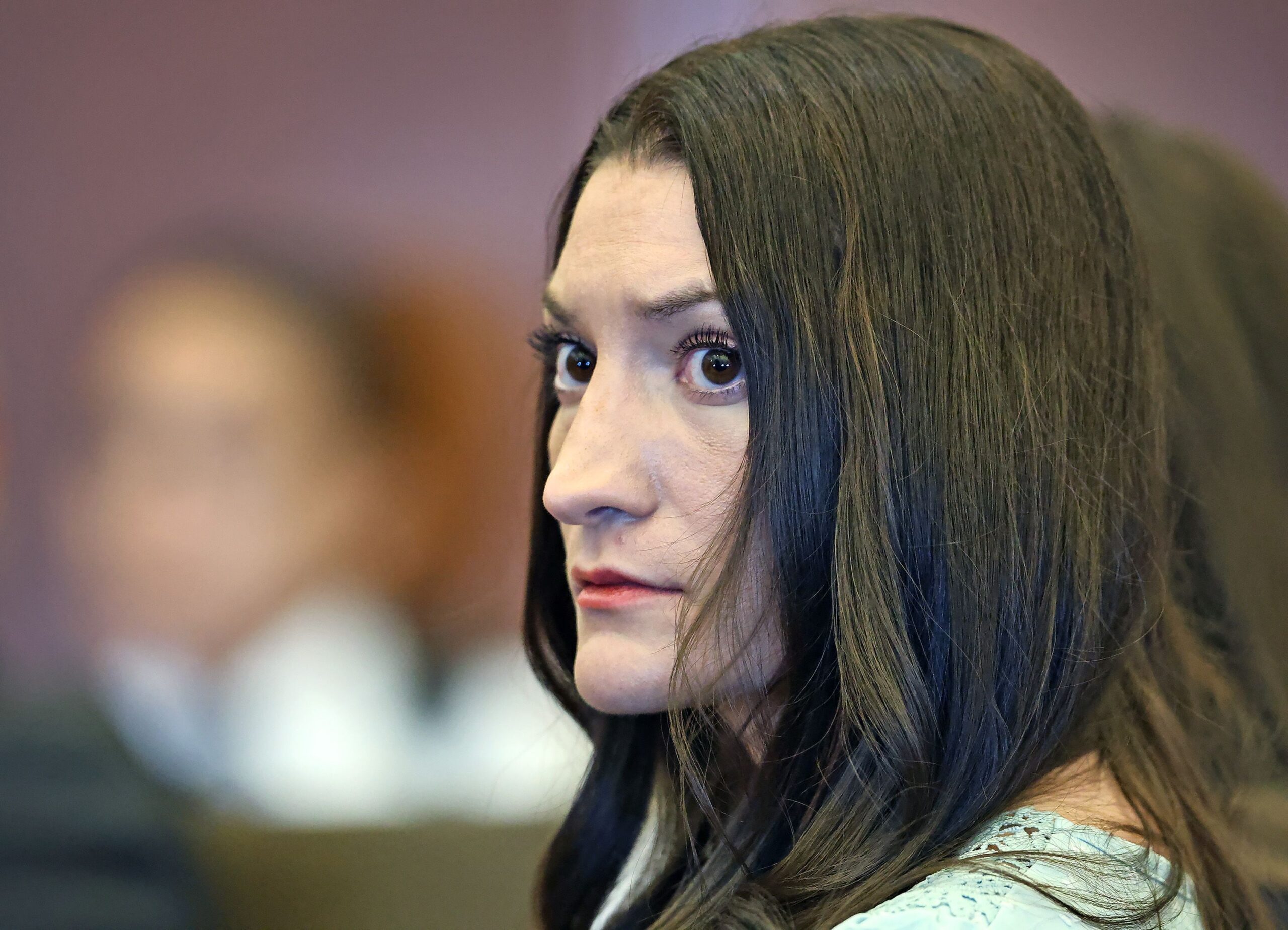
Lindsay Clancy, a former labor and delivery nurse accused of killing her three children in Duxbury, Massachusetts, is scheduled to face a retrial beginning March 29, 2027, after a mistrial was declared in her initial proceeding this September. The case, which has attracted significant public and legal attention, continues to raise questions about maternal mental health, the legal system’s approach to cases involving postpartum psychosis, and the procedural complexities involving double jeopardy claims.
The upcoming trial date was set by Judge William F. Sullivan on November 16, 2026, after rejecting a defense motion to dismiss the charges. The defense had argued that a retrial would violate double jeopardy protections and raised additional issues regarding jury deliberation procedures. Those motions, however, were denied, with Judge Sullivan ruling that because the first jury had deadlocked—reportedly 11-1 in favor of acquittal by reason of insanity—and no verdict was reached, a new trial is legally permitted under Massachusetts law and standard double jeopardy doctrine.
Clancy’s first trial opened on July 20, 2026, three years after the deaths of her children, Cora (5), Dawson (3), and Callan (8 months), on January 24, 2023. Her defense centered on claims of postpartum psychosis, asserting that she was not criminally responsible for the actions leading to the children’s deaths. The seven-week trial ended with more than 38 hours of jury deliberation, ultimately resulting in a deadlock and the subsequent mistrial.
The prosecution has yet to publicly announce whether it will renew its pursuit of first-degree murder charges or consider lesser charges at the retrial. Pre-trial hearings are scheduled for December 30, 2026, and February 18, 2027, to address trial logistics, security, and media access.
This high-profile case continues to spark debate over how the legal system addresses severe mental health crises among new mothers, particularly in relation to criminal accountability. The outcome of Clancy’s retrial may have broader implications for postpartum mental health defenses and legal standards in Massachusetts and beyond.
Court filings and public statements indicate the defense intends to persist with arguments based on Clancy’s mental state at the time of the events. The final charges and specific contours of the retrial are likely to emerge over the coming months, and observers expect continued public scrutiny as the case moves forward.