
The Jacksonville Transportation Authority (JTA) is confronting its gravest financial crisis in more than a decade, as a mounting $39 million budget shortfall for fiscal year 2026 triggers layoffs, suspended transit services, and a scramble for institutional accountability.
Nearly 200 agency jobs have been eliminated, with bus waits lengthening and both Skyway and Neighborhood Autonomous Vehicle Innovation projects paused amid the agency’s scramble to stanch fiscal bleeding. JTA’s leadership, already under fire from both inside and outside, now faces intensifying scrutiny from local and state investigators as well as its own board.
Cascading Consequences: Downgraded Credit and Public Fallout
On October 23, Fitch Ratings downgraded JTA’s credit rating from ‘AA+’ to ‘AA-’, doubting the agency’s financial resilience after the abrupt exposure of its substantial deficit, as reported by WJXT News4JAX. The impact is not merely reputational: the downgrade increases future borrowing costs and raises the stakes as Jacksonville’s transit future hangs in the balance.
Calls for Leadership Change and Oversight
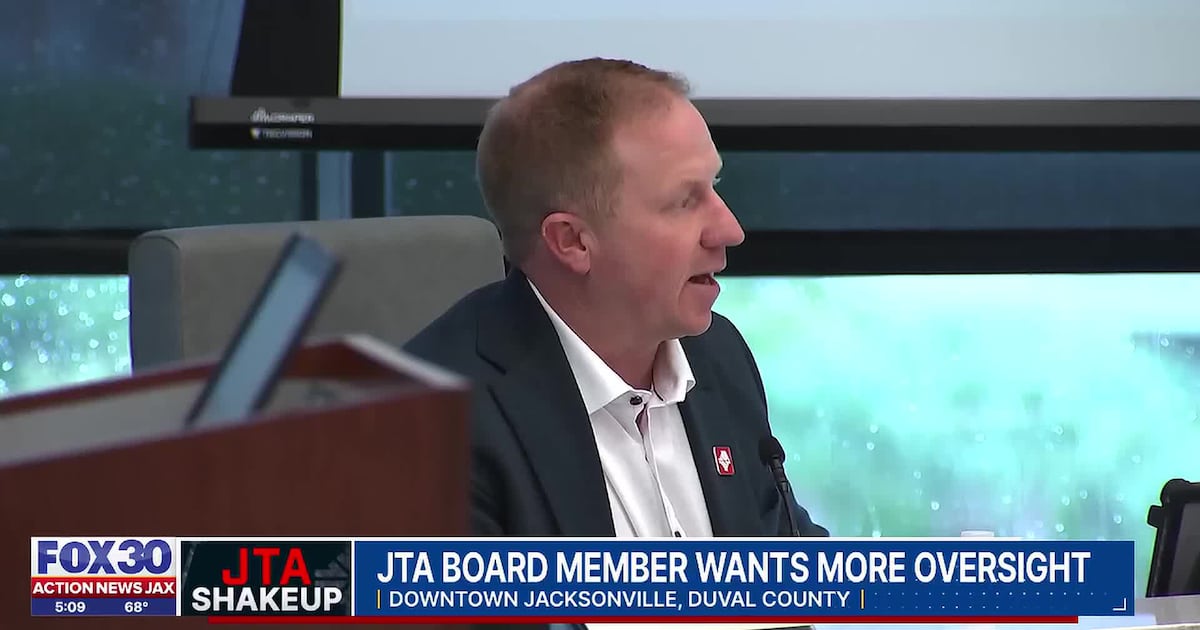
Accusations of mishandling and obfuscated financial reporting have stoked boardroom tension. Board member Daniel Vallencourt publicly called for the resignation of the interim CEO and top executives, alleging misleading communication regarding solvency. He has spearheaded a motion to establish a new oversight committee—a move now under board consideration as trust erodes within the organization.
Meanwhile, the State Attorney’s Office issued a subpoena to JTA earlier this month, expanding the legal scrutiny. City Council’s Financial Audit and Oversight Select Committee is also investigating, focusing on how years of questionable budgeting and depleted reserves went unnoticed or unreported to the board.
Testimony from former Chief Financial Officers Greg Hayes, Heather Obora, and Raj Srinat has laid bare severe governance gaps. Srinat detailed a drop of $67 million in reserves, tracked to high-cost innovation programs (U2C and NAVI), while audits found that JTA regularly spent beyond budgeted amounts on overly optimistic future projections.
Layoffs, Service Cuts, and the Path Forward
Directly responding to the financial troubles, JTA cut jobs, suspended automated transit initiatives, and pared back bus routes to Saturday service levels—measures that immediately impacted Jacksonville riders reliant on public transit.
Efforts to stabilize the authority have included the use of $30 million in Local Option Gas Tax funds to reduce debt, but the future remains clouded by ongoing investigations and shaken public confidence.
As multiple probes continue, and with the creation of a formal oversight body under deliberation, Jacksonville’s transit agency stands at a crossroads between accountability and recovery. Whether new oversight will be enough to restore trust, or if more fundamental upheaval beckons, remains to be seen. The board’s next steps—and further revelations from parallel investigations—will shape the scope of Jacksonville’s public transportation for years to come.