
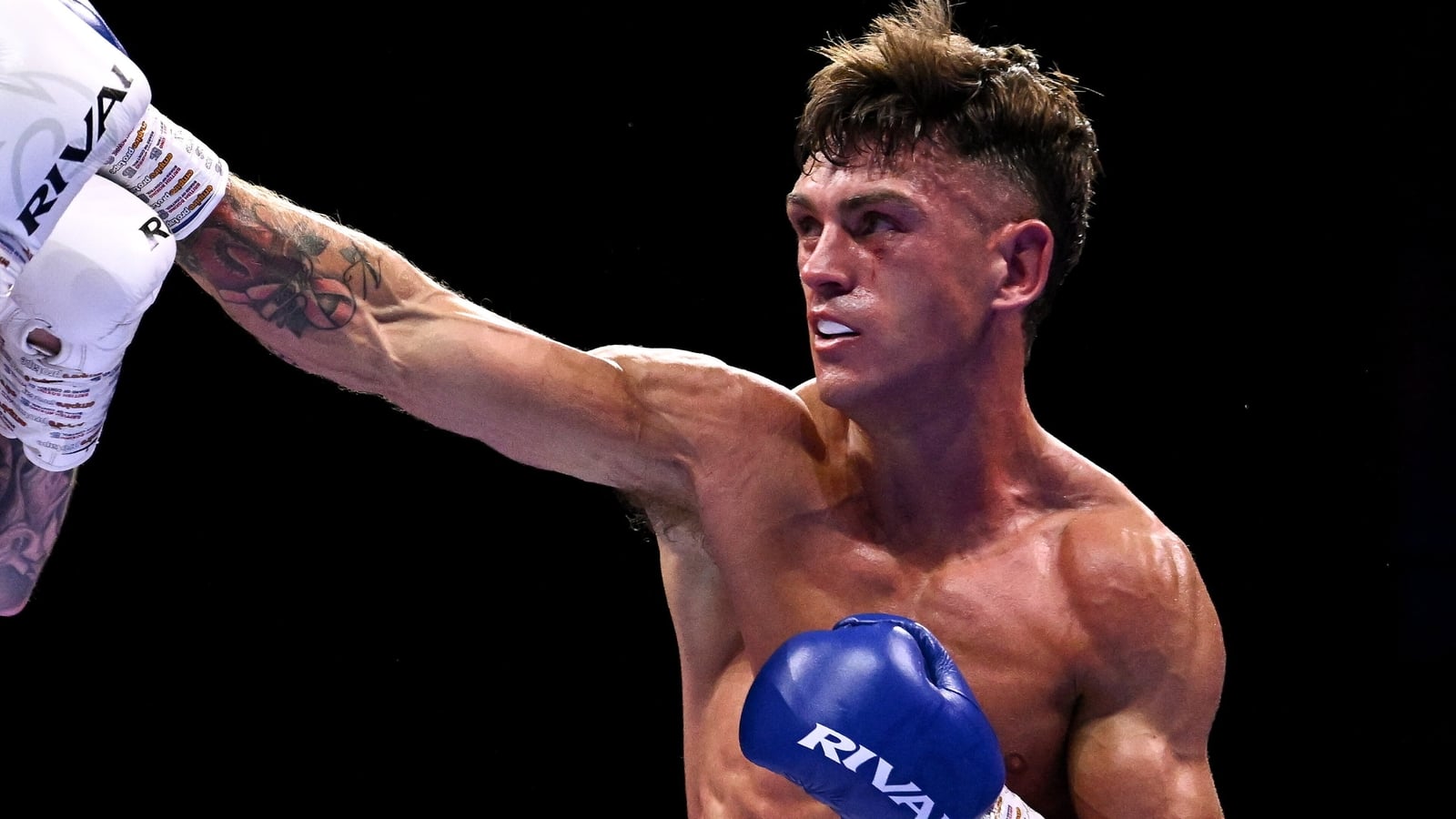
The Irish boxing community is in mourning following the death of Lee Reeves, who died on November 16, 2026, from severe brain injuries sustained in a professional bout over three months earlier. Reeves, 31, was critically injured during an August 1 championship fight against Gary Cully at Dublin’s 3Arena, a contest that ended with a brutal knockout in the tenth round.
After being carried from the ring on a stretcher, Reeves was rushed to Beaumont Hospital, where surgeons performed emergency brain surgery and placed him in a medically induced coma. Despite their efforts and a later transfer to University Hospital Limerick closer to his family, Reeves succumbed to a serious infection during his long recovery, according to RTÉ.
Reeves, known for his 16-2 record with 11 knockouts, had recently been fighting for the vacant BUI Celtic light-welterweight title when he was injured. Outside the ring, he held the rank of Private with the 12th Infantry Battalion at Limerick’s Sarsfield Barracks. Many remember him just as much for his community advocacy as for his sporting achievements: After losing his mother to suicide in 2015, Reeves became an outspoken mental health ambassador, supporting organizations such as Limerick Treaty Suicide Prevention.
His sudden death has prompted an outpouring of grief and tributes across Ireland. Fellow fighter Gary Cully described Reeves as “a character and a gent,” while his former coach Jonathan O’Brien wrote, “Goodbye son, sleep tight, you fought so hard till the end. We love you so much.” Local political leaders also highlighted Reeves’ inspiration to young people through both sport and advocacy.
No official investigation results have been issued regarding medical protocols on the night of the fight or during Reeves’ care, but his passing reignites longstanding concerns over boxer safety, including in-ring medical response and safeguards for fighters after traumatic injuries. According to the List of deaths due to injuries sustained in boxing, Reeves’ fate is the latest in a somber tally marking the sport’s risks.
While the circumstances of the infection that proved fatal remain under review, the void left by Reeves’ death is deeply felt in Limerick and far beyond. His story, echoing in the tributes of friends, fighters, and officials, serves as a reminder of both the physical dangers athletes face and the enduring impact of their advocacy outside competition.