
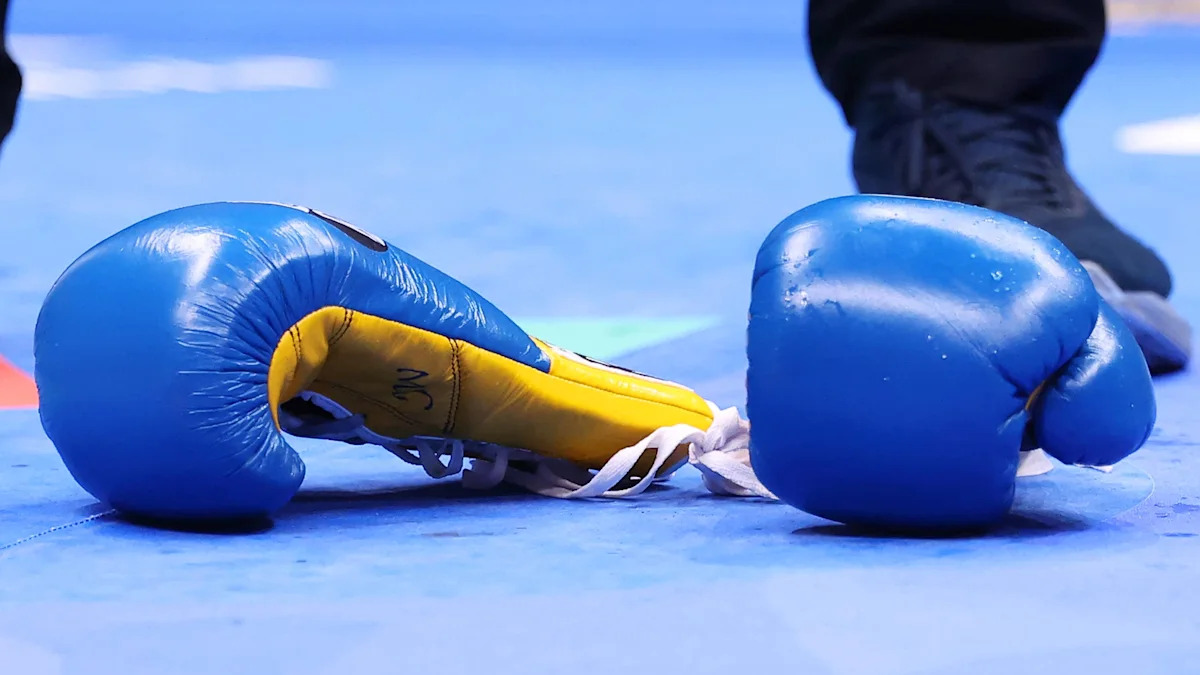
The Irish boxing community is mourning the loss of Lee Reeves, who died at age 31 on November 16, 2026, months after suffering a devastating injury during a championship fight at Dublin’s 3Arena. Reeves’ death brings renewed attention to the dangers of professional boxing and raises questions about sport safety protocols.
Reeves, a native of Limerick and five-time Irish amateur champion, faced Gary Cully for the vacant BUI Celtic light-welterweight title on August 1, 2026. In the 10th round, Reeves was knocked out and immediately rendered unconscious. Medical personnel quickly intervened, carrying him from the ring on a stretcher. He was admitted to Beaumont Hospital, where he underwent emergency brain surgery and was placed in a medically induced coma.
After two months of intensive care in Dublin with little significant recovery, Reeves was transferred to University Hospital Limerick in October to be closer to his family. However, he reportedly developed an infection the weekend before his death, a complication that proved fatal. As of November 18, no official investigation into the specific causes has been confirmed, though the sequence of medical interventions is well-documented in public statements and news reports (sports.yahoo.com).
Over an eight-year professional career after turning pro in 2018, Reeves tallied 16 wins (11 by knockout) and 2 losses. He also became known to a wider UK audience through his 2023 appearance on the BBC reality series “Survivor UK.” Reeves served with distinction in the Irish Defence Forces’ 12th Battalion and, following his mother’s suicide in 2015, became a prominent advocate for mental health and suicide prevention in Limerick.
Reeves’ death prompted heartfelt tributes from the boxing world and beyond. Gary Cully, his opponent, called Reeves “a character and a gent,” highlighting their years of friendship and rivalry. Promoter Queensberry Promotions praised Reeves as both a “talented boxer” and an “inspiration to his community.” Jonathan O’Brien, friend and coach, wrote: “Goodbye son, sleep tight, you fought so hard till the end. We love you so much, rest in peace with your mam and brother waiting at the heavenly gates.”
The incident joins a somber list of boxing-related fatalities, such as the deaths of David Whittom and Phindile Mwelase in recent years, each prompting renewed scrutiny of the sport’s health and safety regulations. At the moment, there is no word of statutory or regulatory action stemming from Reeves’ passing, but advocates suggest his case may be pivotal in ongoing debates over athlete welfare in high-contact sports.