
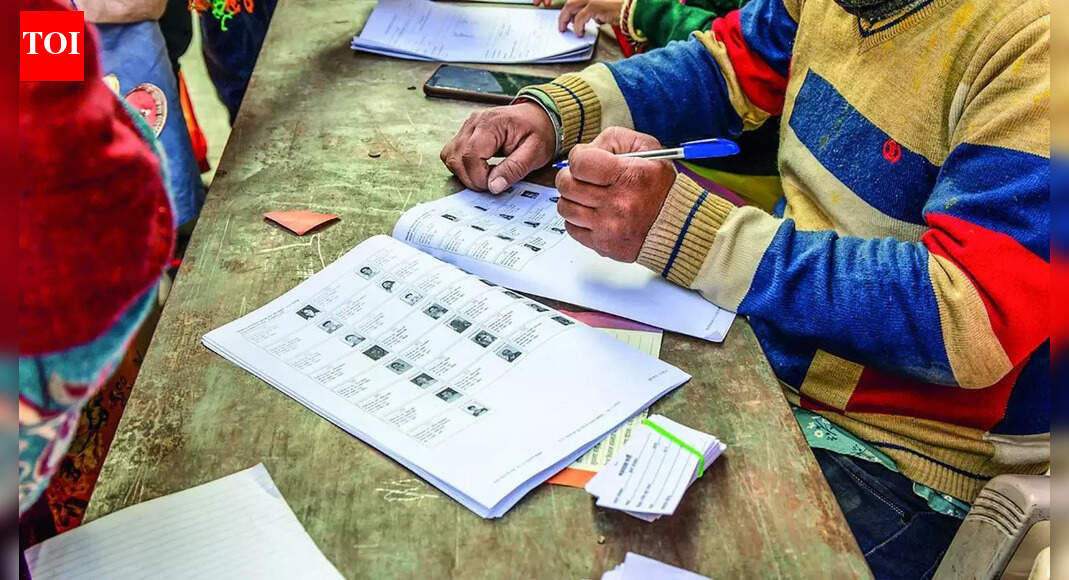
Allegations that India’s voter roll revision process deliberately targets minority communities have placed new scrutiny on the country’s largest-ever update to its electoral database, as international critics and local officials exchange accusations in the run-up to future elections.
The U.S. Commission on International Religious Freedom (USCIRF) has charged that India’s Special Intensive Revision (SIR) — a nationwide effort initiated by the Election Commission of India (ECI) to update voter rolls — has led to the disproportionate exclusion of minority voters, particularly Muslims. The claim, made public on November 20, 2026, echoes similar concerns voiced by Human Rights Watch (HRW), which reported that deletions in the SIR process have hit Muslim voters hardest and called for urgent restoration of wrongly-removed voting rights.
India’s Election Commission, for its part, has stated that SIR aims to improve the accuracy of voting rolls through door-to-door visits and verification by over 390,000 Booth Level Officers across hundreds of millions of voters in 16 states and three union territories. Officials maintain that the process neither collects nor tracks data related to voters’ religion or caste — a point reiterated by Uttar Pradesh’s Chief Electoral Officer, who pushed back against claims that authorities could be systematically targeting particular communities for removal.
Amid these disputes, advocacy organizations such as the All-India Feminist Alliance have called for further safeguards, warning that women, transgender people, and minorities are more likely to be excluded by the revision protocols. Concerns have been heightened after local press and advocacy groups documented confusion and anxiety among voters whose names were deleted from draft rolls, particularly in Delhi.
India’s Supreme Court has also intervened, seeking official records on modifications to Form 6 — the statutory application for voter registration — and offering assurances to affected voters that their cases would be heard. In a January 2026 observation, the Court concluded that both additions and deletions are standard to the revision process and did not uncover systemic disenfranchisement. As a result, judicial inquiries continue, but so far, the Court has refrained from finding evidence of intentional discrimination.
The Election Commission stresses that voter roll revision is a longstanding, routine measure to ensure electoral accuracy, conducted periodically. However, with high-profile allegations drawing global attention, pressure is mounting to ensure the process is administered transparently and fairly, particularly in light of the country’s international commitments to uphold voting rights. Human rights groups say continued vigilance and remediation for wrongly dropped voters will be necessary as legal review—and political debate—unfolds.