
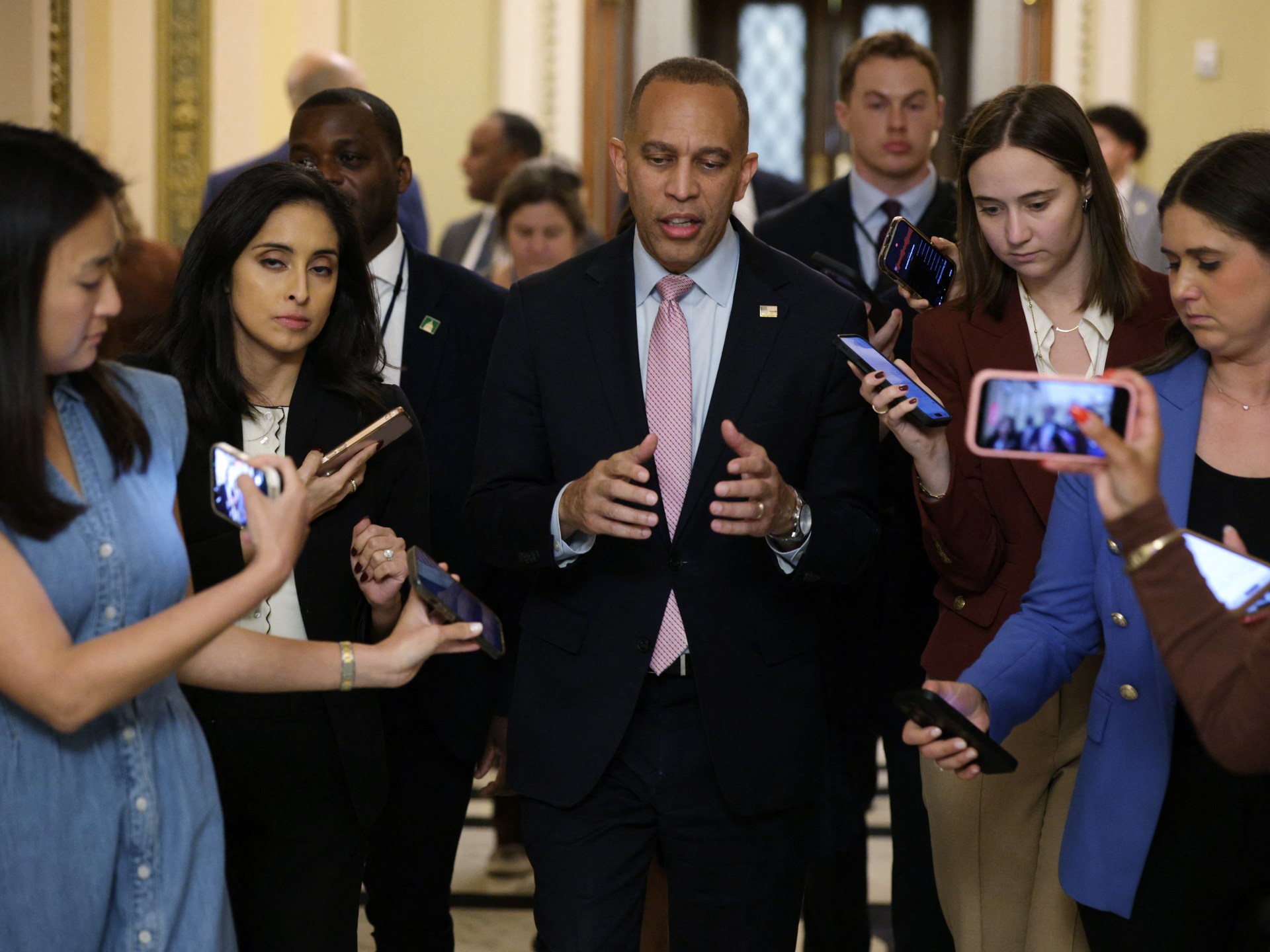
A tumultuous week in Washington saw the House of Representatives dodge a high-stakes confrontation over Defense Secretary Pete Hegseth, shifting an impeachment resolution to committee and effectively neutralizing it for the rest of the current Congress. The move followed the introduction of a sweeping eight-article impeachment measure by Representative Thomas Massie, which accused Hegseth of ordering unauthorized military operations in Iran, Yemen, and Venezuela, and dismantling safeguards meant to limit civilian casualties.
The House’s 211–204 decision to refer the resolution to the Judiciary Committee came after hours of polarized debate. The razor-thin margin exposed deep partisan fault lines, with 11 absent Democrats tipping the balance, a detail seized upon by both critics and defenders of the process. While some Republicans characterized the effort as an abuse of legislative oversight, Democrats appeared divided, with leadership not moving to block referral despite their prior attempts to impeach Hegseth earlier in both December 2025 and April 2026—motions that never made it to a floor vote.
Secretary Hegseth, for his part, dismissed the episode as a “political spectacle,” and cited authorization from President Donald Trump for all relevant military actions. President Trump echoed this defense, hailing Hegseth as a “Great American Patriot” and blasting the impeachment drive as a distraction at a time of continued overseas military engagement.
The stakes extend well beyond personal reputations or party talking points. Only two Cabinet secretaries in American history—William W. Belknap in 1876 and Alejandro Mayorkas in 2024—have faced impeachment, with neither ultimately convicted by the Senate. For Hegseth, the current referral to committee marks not an exoneration but a procedural pause; with Democrats set to take control of both chambers in January, the specter of renewed impeachment efforts remains very much alive.
As lawmakers adjourn for recess, the resolution’s allegations—ranging from violating the War Powers Resolution to sidestepping Congressional oversight—linger unresolved. Whether these charges will resurface in the next session, with a reshaped Congress and shifting political winds, is the question that now hangs over both Hegseth and the Department of Defense.