
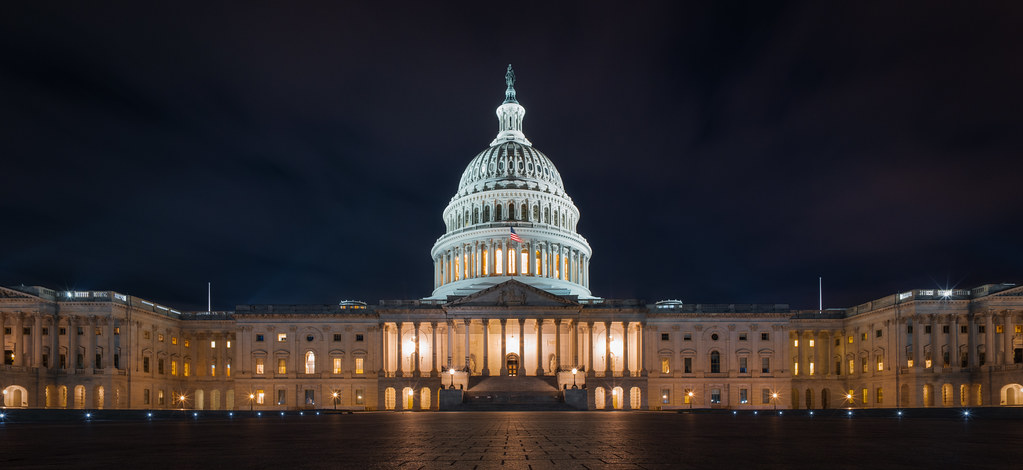
The U.S. House of Representatives has taken a rare bipartisan step against international cybercrime, passing H.R. 5490—the Dismantle Foreign Scam Syndicates Act—by a voice vote on November 18. The legislation, now headed to the Senate, is designed to mobilize federal efforts against organized criminal networks running mass online scams from overseas, particularly from Southeast Asia.
Crafted to address what lawmakers call an epidemic of scam operations victimizing Americans, the bill instructs the President to create an interagency task force with a mandate to disrupt and dismantle transnational criminal syndicates. These groups, often operating scam compounds in countries such as Cambodia, Burma, and Laos, have drawn heightened scrutiny after reports of industrial-scale digital fraud targeting both Americans and Asian populations.
Bipartisan Backing and Expansive Tools
Introduced in September 2025 by Rep. Jefferson Shreve (R-IN-6) and cosponsored by more than 70 lawmakers from both parties, the measure cleared the House Foreign Affairs Committee last December on a unanimous 48-0 vote. Advocates cite a staggering toll: the United Nations Office on Drugs and Crime estimates financial losses from scams in East and Southeast Asia reached between $18 and $37 billion in 2023 alone.
The bill authorizes an array of penalties for foreign individuals and organizations judged to be running or abetting such scams. Sanctions include visa bans and asset freezes. In another significant shift, the State Department is directed to support victims—including trauma-informed care and funding for NGOs that assist survivors of cyberfraud. Lawmakers hope this focus on recovery and resilience for scam victims will set a precedent for future cybercrime legislation.
Regional and Global Stakes
Law enforcement and policy experts regularly point to Southeast Asian countries—particularly Cambodia, Laos, and Burma—as the current epicenter of organized scam syndicates. According to multiple reports, these illicit operations traffic or coerce workers into compound hubs where trapped individuals are forced to perpetrate romance scams, phishing, and investment fraud schemes targeting international victims. The bill builds on earlier executive sanctions imposed under Orders 14390 and 13581, signaling increased appetite in Washington for collective international action.
Unanswered Questions in the Senate
Although the act passed the House by a wide bipartisan margin, its prospects in the Senate remain uncertain. As of November 20, there is no scheduled Senate hearing or floor action. Specialists caution that the bill’s ambitious scope will require intensive cooperation among domestic agencies and diplomatic partners. Implementation hinges on interagency coordination and buy-in from Southeast Asian governments.
For now, the bill’s passage in the House underscores lawmakers’ mounting concern over foreign scams and represents one of Congress’s most substantial legislative responses to transnational cybercrime threats in recent years.