
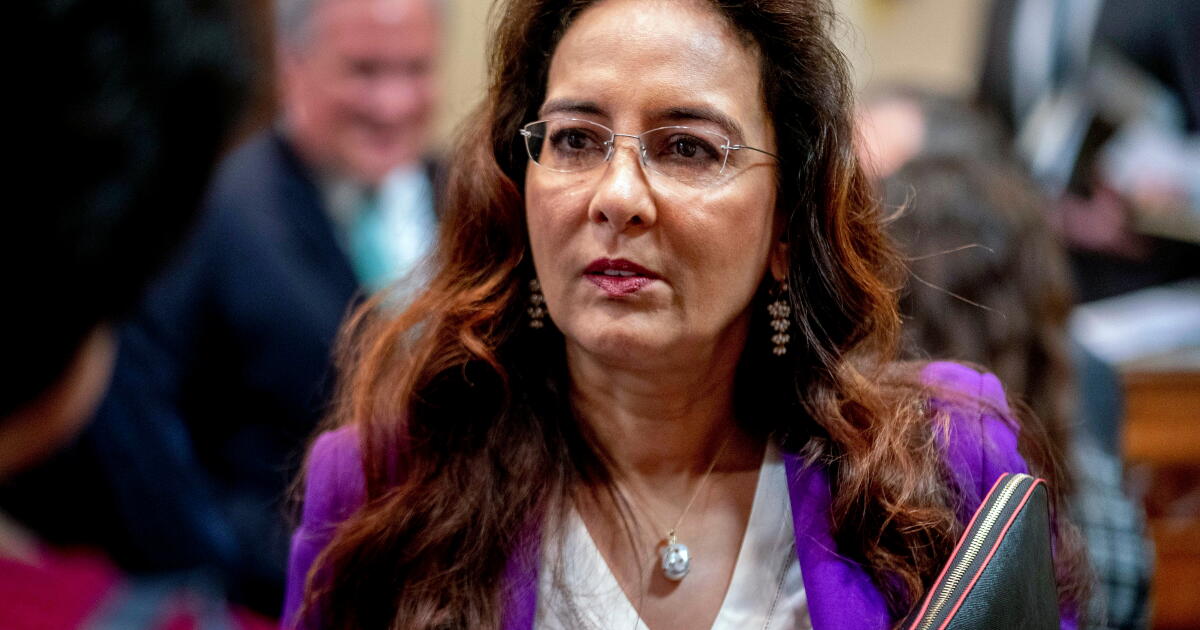
The U.S. Department of Justice’s Civil Rights Division entered a period of unusual uncertainty on November 5, 2026, as Assistant Attorney General Harmeet Dhillon resigned following a headline-making, turbulent 18 months in the post. Dhillon’s departure caps an era of rapid ideological transformation and significant staff turnover, leaving the division—long a vanguard for American civil rights enforcement—without a clear successor or settled direction.
Dhillon, who took office in April 2025 as the first Republican woman and the first Republican of Indian descent to hold the role, submitted her resignation to President Trump, citing a desire to return to private legal practice (Washington Post). During her tenure, the Civil Rights Division’s focus swung sharply: her leadership prioritized combating antisemitism, defended gun rights, and took a hardline stance against transgender participation in women’s sports. At the same time, traditional priorities around enforcement of minority and voting rights diminished, in what civil rights advocates described as an ideological overhaul (LA Times).
The most visible hallmark of Dhillon’s time in office was the exodus of personnel. Within little more than a year, over 250 attorneys—approximately 70% of the division’s legal staff—either resigned or agreed to deferred departure offers, the sharpest reduction since the division’s founding in 1957 (LWV). Critics, such as the former Justice Department group Justice Connection, characterized Dhillon’s stint as “the most destructive, lawless, and hateful” in its history, and former senior trial attorney Stacey Young alleged the decimation of enforcement capacity (Justice Connection).
Administration voices offered a different explanation. Allies assert that departures reflected a broader modernization and refocusing effort, not organized internal protest. However, the high level of personnel disruption and ideological realignment of the division’s enforcement priorities have left external observers and many former staff questioning the outlook for ongoing civil rights cases and federal oversight work.
Complicating the picture, additional senior resignations closely followed Dhillon’s, including Brett Shumate, Assistant Attorney General for the Civil Division (CBS News). As of mid-November 2026, the DOJ had not named a new head for the Civil Rights Division, nor clarified the division’s strategic plans as it attempts to operate with a historically reduced staff and uncertain direction.
The legacy of Dhillon’s leadership is likely to remain the subject of heated debate—and potential future inquiry—within the government and civil rights communities. With the division’s path forward and its ability to sustain federal civil rights enforcement unresolved, the coming months are poised to test both department leadership and the north star of federal civil rights work.