
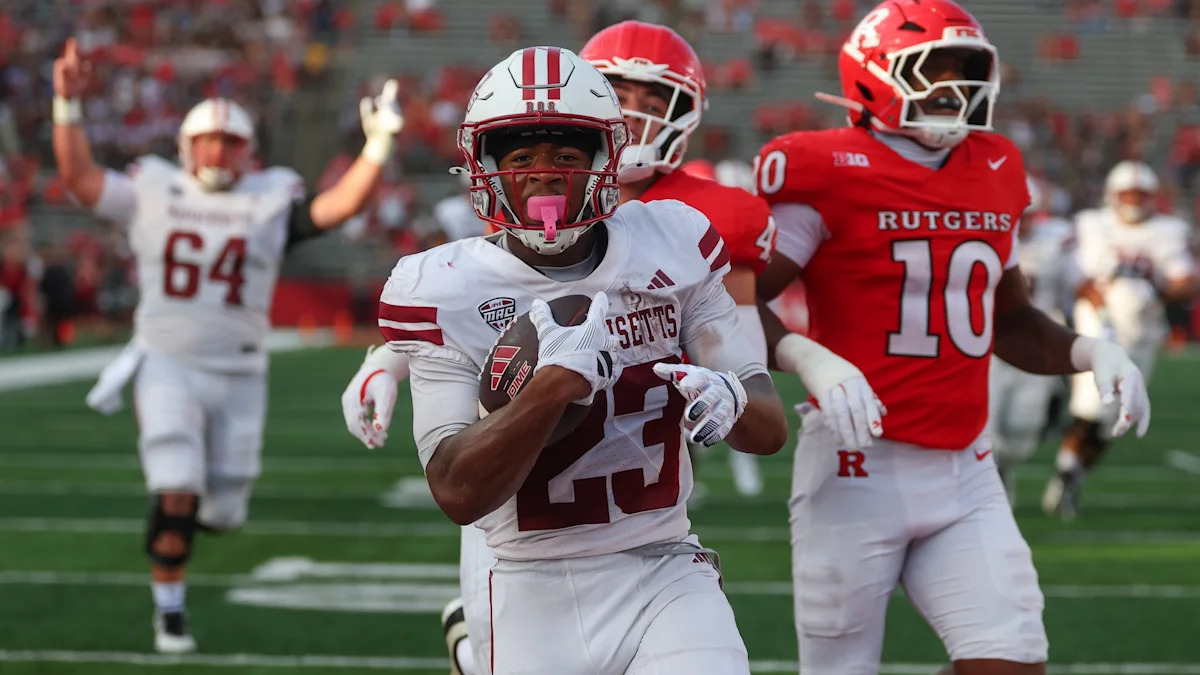
Once the home of college football’s beloved underdog stories, the Group of Six—the new configuration of schools outside the sport’s dominant leagues—is confronting its harshest reality yet: the Cinderella run is becoming all but impossible. In the 2026 season, Group of Six teams have won only three games out of 76 played against Power Four opponents, signaling an era where surprise upsets are not just rare but nearly extinct.
The transformation of the college football landscape has left these programs in the shadow of their wealthier, more resource-rich counterparts. Recent reforms allowing athletes to profit from their Name, Image, and Likeness (NIL) rights, combined with relaxed transfer rules, have compounded the challenge. The best Group of Six players are routinely transferring to Power Four schools, attracted by the promise of bigger platforms and lucrative sponsorships. The immediate effect is a widening gap on the field—one that, according to coaches and observers, shows no sign of narrowing.
Historically, Group of Six teams occasionally crashed the sport’s biggest stages. Boise State’s 2007 Fiesta Bowl miracle and UCF’s 2017 Peach Bowl victory were reminders that the improbable was still possible. But with entire rosters now vulnerable to poaching, the odds against a modern repeat seem longer than ever. The 2025 season offered little reprieve: Tulane and James Madison secured rare playoff spots for Group of Six teams, only to exit in the first round.
This decline is not lost on the coaches themselves. In a recent survey, 40 out of 61 Group of Six head coaches expressed support for creating a separate playoff, saying the sport’s current system leaves too little hope for their programs to compete on equal footing. “The financial and competitive advantages held by the Power Four are simply insurmountable at this point,” summarized the prevailing sentiment, as documented in published interviews. Though discussions are underway for a new playoff framework, concrete proposals and decisions remain pending.
The changing structure of college football also plays a role. The Pac-12’s collapse as a major power conference has led to its inclusion with the American, Conference USA, Mid-American, Mountain West, and Sun Belt as the so-called Group of Six—up from five. But the name change has done little to mask how competitive prospects have dimmed for these leagues.
As university presidents, athletic directors, and coaches grapple with these realities, the once-vibrant narrative of the small school upsetting a goliath now feels increasingly dated. Whether a separate playoff can restore relevance or merely formalize a new tier in college football’s hierarchy remains to be seen. For now, the prospect of another giant-slaying fairytale appears more distant than ever.