
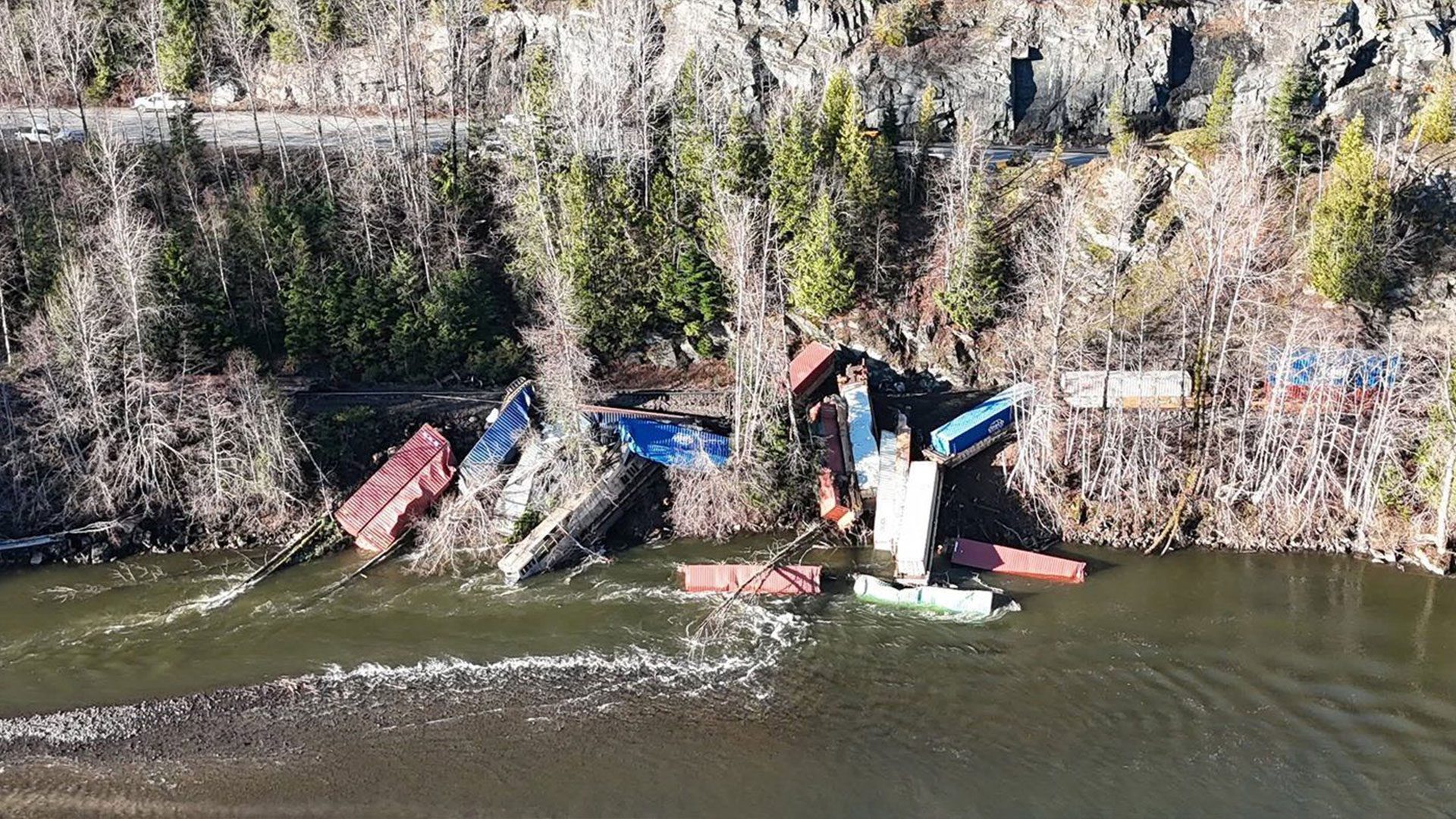
Leaders of the Gitxsan Huwilp Government have called for an immediate halt to all train hauling across their territory in northwestern British Columbia, following a Canadian National Railway freight train derailment on November 17, 2026 that sent railcars—and spilled diesel—into the Skeena River. The accident, which occurred 15 kilometers west of Terrace after a rockslide struck the track, marks the second such spill into the ecologically vital river in less than a year.
According to statements attributed to Hereditary Chief Toby Howard, the incident exposes unacceptable risks posed by freight transport along the aging railway—and threatens the lives and food security of Gitxsan people and surrounding communities. The Gitxsan Huwilp Government is demanding a pause in rail operations within their traditional lands pending a comprehensive safety review of the 103-year-old tracks.
The train, which was carrying forest products, derailed when several cars left the rails and entered the water, officials confirmed. Two crew members were injured and transported to hospital, but were later released. Emergency responders said diesel fuel leaked from the locomotive into the Skeena, prompting environmental teams to scramble to contain and recover spilled fuel while operations to remove cars from the river commenced. Cleanup efforts are ongoing as of November 20.
This most recent spill follows a March 2026 derailment along the same stretch of river that dumped almost 8,000 liters of diesel into the Skeena, breaking a decade-long streak without such incidents. Environmental advocates and Gitxsan representatives warn that recurrent spills pose grave threats to salmon habitat and water quality in a river that sustains not only local communities but a broader regional ecosystem.
CN Rail has since repaired the damaged track and resumed operations, according to company statements. However, the exact amount of diesel released during this month’s derailment has not been disclosed, and the ultimate cause of the rockslide remains under investigation. The Gitxsan Huwilp Government maintains its demand for a halt to dangerous shipments along the rail line while pressing for an independent safety overhaul and meaningful consultation regarding future operations in their territories.
As environmental recovery proceeds and communities wait for further answers, the incident has sharpened longstanding debates over the risks of transporting hazardous materials by rail through remote and ecologically sensitive regions of Canada’s northwest.