
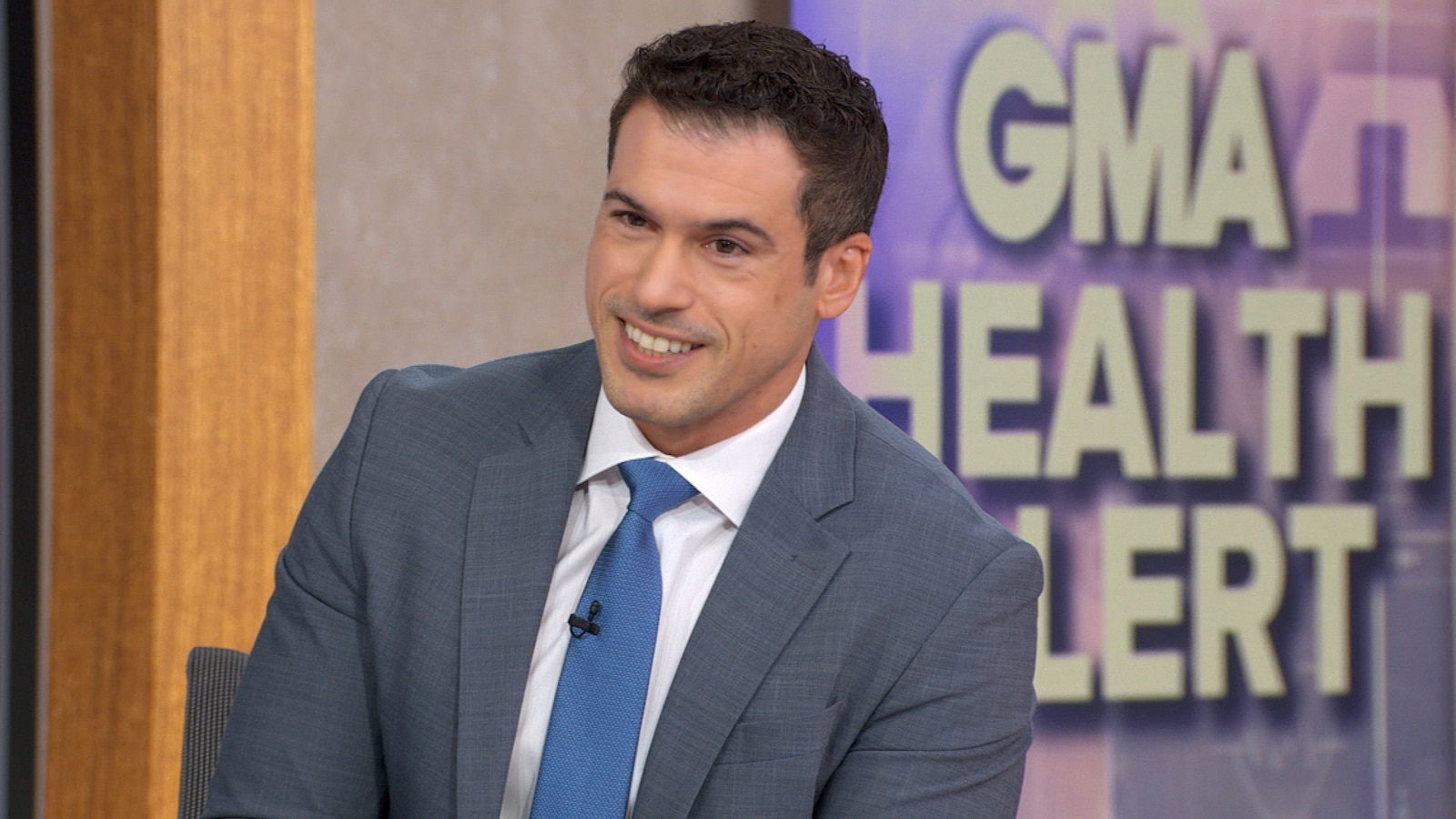
Gio Benitez, prominent co-anchor of “Good Morning America” Sunday and the network’s transportation correspondent, revealed on November 17, 2026, that he has been diagnosed with coronary artery disease (CAD) at age 41. The public disclosure has placed a spotlight on the potentially silent nature of heart disease and underscored the urgent need for vigilance, particularly among those with a family history of cardiac illness.
Benitez recounts that he felt healthy and had no symptoms before learning his diagnosis. His family’s troubling legacy—several relatives lost to heart attacks at young ages—prompted him to discuss his concerns with Dr. Tara Narula, ABC News’ chief medical correspondent and a board-certified cardiologist. Narula recommended a coronary artery calcium scan, a specialized CT test designed to detect calcified plaque in the heart’s arteries. When Benitez’s scan revealed a score of 137, well over the high-risk threshold of 100, the result changed his self-perception of health overnight.
“I was shocked,” Benitez said in a public statement, describing days of panic attacks and racing thoughts after receiving his results. He emphasized that he had no prior symptoms, highlighting a central truth about coronary artery disease: it often develops silently over years, sometimes with its first warning sign being a heart attack.
Coronary artery disease, according to the U.S. Centers for Disease Control and Prevention, is caused by plaque buildup in the arteries that supply the heart, which restricts blood flow and can lead to serious events like heart attacks or heart failure. The CDC notes that key risk factors include family history—especially at a young age—high cholesterol, high blood pressure, an unhealthy lifestyle, and smoking. In many cases, CAD is only discovered when individuals undergo screening due to risk factors rather than symptoms.
Benitez’s diagnosis led to an immediate shift in his personal health management. His current treatment, under medical supervision, includes cholesterol-lowering medication, regular exercise, dietary changes, and stress reduction. He reports feeling reassured by his care and hopes his experience will encourage others at risk to consider heart screening—even when feeling healthy. “It’s possible to walk around thinking you’re fine, while your heart may tell a different story,” Benitez noted.
His decision to go public has already sparked renewed discussions around early detection, especially as heart disease remains the leading cause of death in the United States. Medical professionals emphasize that tests like the coronary artery calcium scan can be life-saving for people with defined risk factors—though routine screening is not advised for all adults. The American Heart Association recommends discussing family history, cholesterol levels, and other risk factors with a physician to determine the need for specific heart health tests.
Benitez’s case, widely covered by news organizations, highlights a growing public health message: that knowing your risk and pursuing proactive screening can help detect potentially life-threatening conditions before symptoms even appear. For Benitez, regular medical monitoring will now be a permanent part of his routine—a step he hopes others at risk will consider, too.