
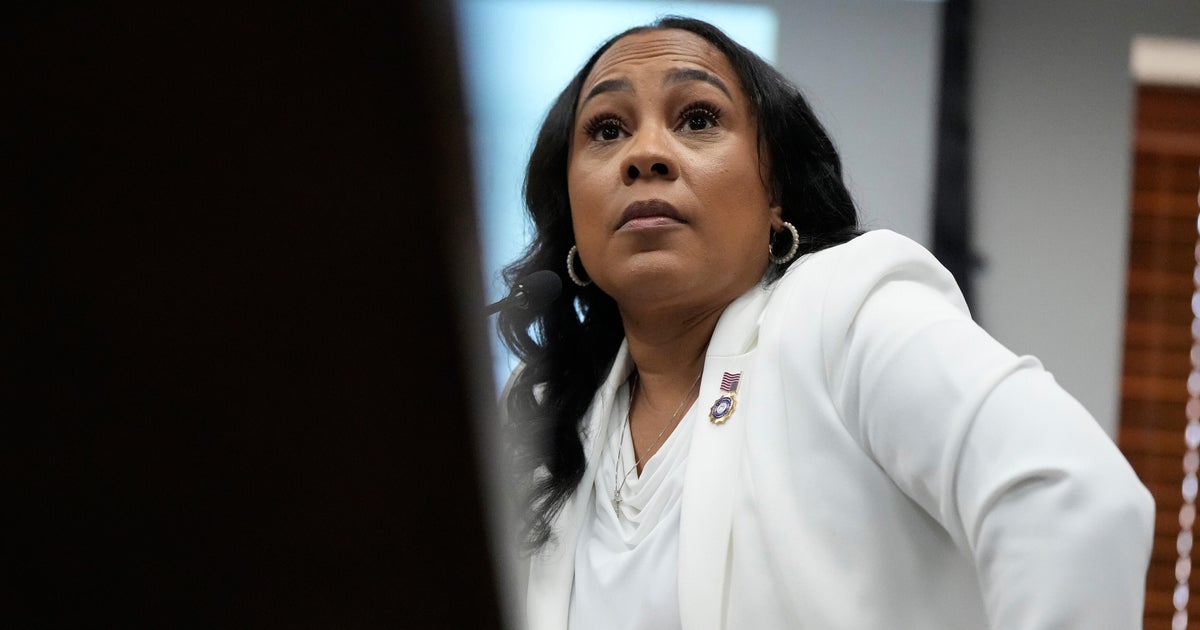
The legal fallout from the now-dismissed election racketeering case against former President Donald Trump and his allies has placed Fulton County—and District Attorney Fani Willis—at the center of an unprecedented financial and legal standoff. On November 17, 2026, the Georgia Court of Appeals heard arguments over whether Willis’ disqualified office can participate in the contentious battle over nearly $17 million in requested legal fee reimbursements. The decision could determine both who speaks for the county in the dispute and whether taxpayers will foot one of the largest legal bills in Georgia’s history.
The $16.85 million claim, spearheaded by Trump and 13 co-defendants with Trump alone seeking $6.2 million, draws on a 2025 Georgia statute. That recently enacted law allows defendants to recover attorney’s fees if a prosecutor is removed for misconduct and their case subsequently dismissed. Willis and her staff argue the law is being misapplied: her removal was for an appearance of impropriety stemming from a well-publicized relationship with special prosecutor Nathan Wade, not proven willful misconduct. Furthermore, her office argues, forcing Fulton County to pay such extensive fees could strain its finances and disrupt core services.
The February 2026 ruling that fully disqualified Willis’ office—following months of public scrutiny and legal argument—handed the management of the Trump prosecution, and now the fee dispute, to the county’s Prosecuting Attorneys’ Council. When Willis attempted to re-enter the fray to defend her office’s legal interests, Fulton County Superior Court Judge Scott McAfee ruled in March 2026 that she was ‘wholly disqualified,’ halting her involvement and affirming the council’s representation of the county’s position in ongoing proceedings.
At the heart of the appeals court review is the question of whether Willis retains a right to contest the fee payments or if her disqualification severs that authority altogether. The panel did not issue a ruling immediately after the November 17 arguments, leaving the county and the opposing parties in limbo. Willis’ position, as presented to the court, is that paying the fees under these circumstances would be both unconstitutional and unjust, pointing to ambiguities and alleged flaws in the new fee-shifting law. Lawyers for Trump and his co-defendants, meanwhile, insist the law unambiguously empowers them to claim relief after a prosecutor is removed and an indictment thrown out before trial.
The outcome, expected in the coming months, could set a major precedent for how Georgia handles prosecutorial disqualification and fee recovery in future high-profile cases. Beyond the courtroom, the case highlights growing tension and unresolved questions regarding accountability, taxpayer exposure, and the boundaries of statutory remedies in politically charged prosecutions.