
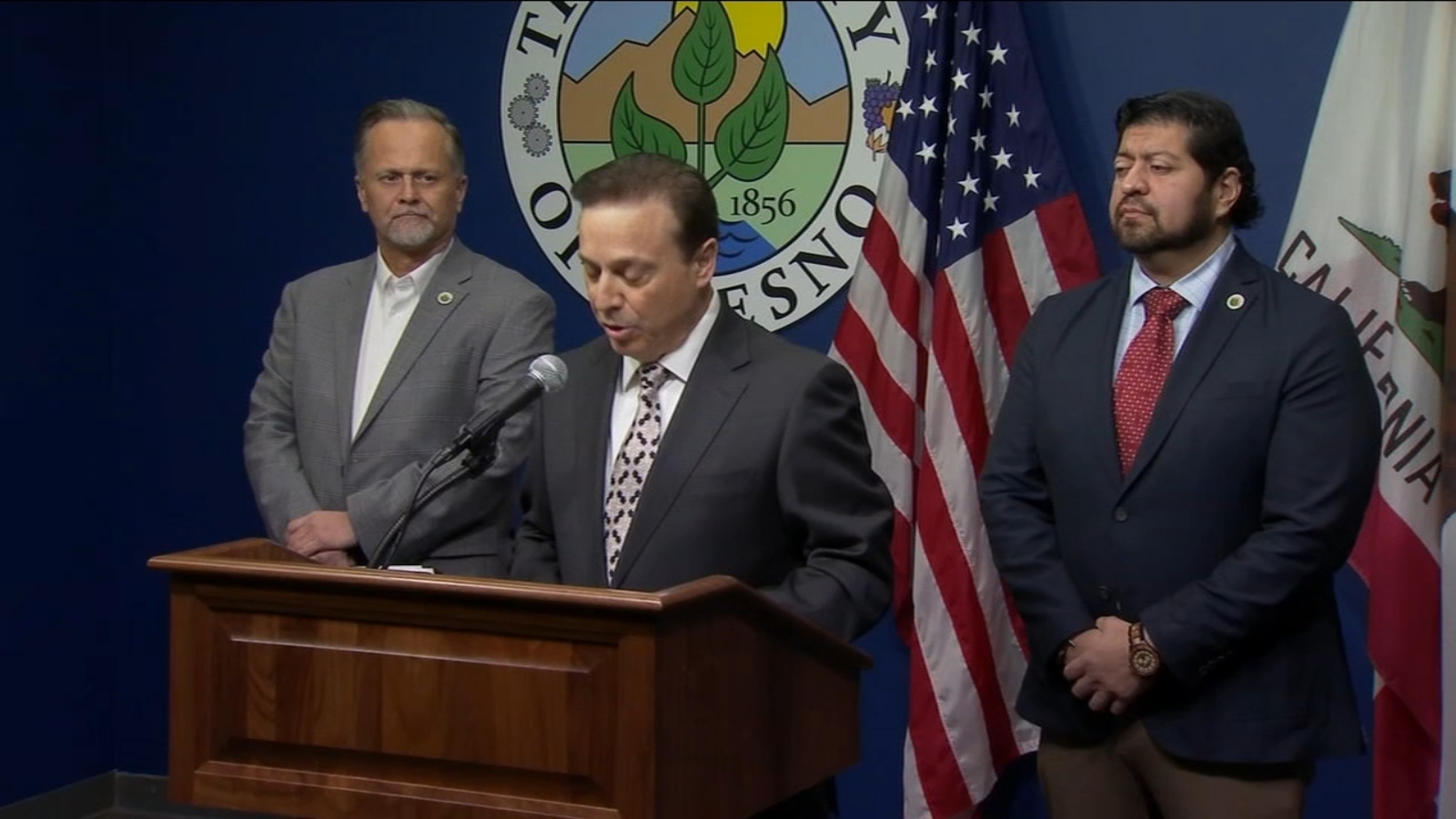
Fresno County’s Child Welfare Services has been placed under direct state oversight after an independent review uncovered critical failures in responding to child abuse cases and assessing child safety. The California Department of Social Services launched its investigation in June 2026, after mounting concerns over the agency’s practices and outcomes for vulnerable children.
The state review, which scrutinized dozens of referrals and foster cases, documented severe operational lapses. On average, Fresno County’s response time to child abuse allegations stretched to 17 days, with at least one urgent case delayed for as long as two months. More alarmingly, the review found that 83% of children returned to their homes did so without the mandatory risk or safety assessments being completed.
Leadership issues further compounded the problem, as social workers reported having little autonomy. Several staff described how their recommendations on cases were routinely overridden by supervisors—raising questions about the system’s ability to prioritize child safety. The audit also revealed violations of the Indian Child Welfare Act, suggesting persistent struggles with compliance on critical legal protections for Native American children and families.
Whistleblowers have added urgency to the matter. Lorraine Ramirez, a former Fresno child welfare employee, voiced concern that the department was focused on reunifying families “no matter what,” potentially putting children at risk. The review’s findings add evidence to longstanding local criticisms: in 2021, Fresno had already faced rebuke after reports surfaced of children sleeping on floors and desks in welfare offices due to inadequate facilities, and systemic problems with state and federal compliance have hung over the agency for years.
In response to the review’s findings, the county will be monitored by the state for the next 12 months, after which a comprehensive reevaluation is planned. A newly formed committee—prominently featuring advocacy groups such as CASA and Angels of Grace—will bring community voices into the process, tasked with overseeing reforms and ensuring that reported issues do not persist or worsen.
The future effectiveness of these interventions remains uncertain; while the county’s new oversight regime provides a framework for accountability, advocates and state officials alike acknowledge that meaningful, lasting improvement will require cultural as well as procedural change. With the next year set as a probationary period, ongoing monitoring and public scrutiny are expected to be pivotal in pushing the system toward better outcomes for Fresno’s most vulnerable children.