
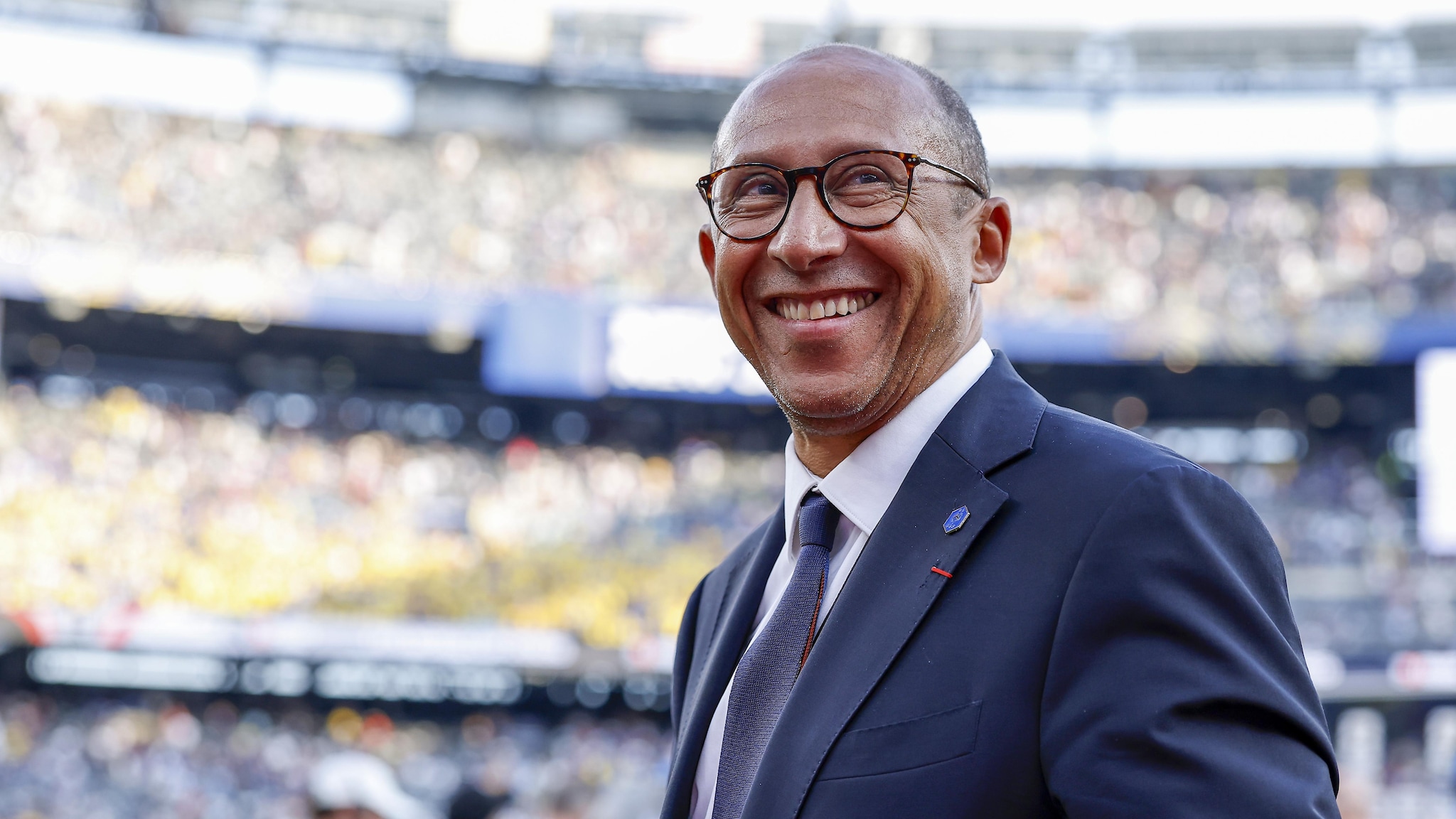
The world’s most powerful football organization is on the cusp of a rare leadership showdown, as the 2027 FIFA presidential election approaches with multiple prominent contenders and increasing scrutiny on the sport’s global governance. Gianni Infantino, seeking his fourth term as FIFA president, now faces an unusually formidable challenge after UEFA—the governing body for European football—publicly declared its unanimous support for Philippe Diallo, President of the French Football Federation.
The decisive vote is scheduled for March 18, 2027, during the 77th FIFA Congress in Rabat, Morocco. All 211 FIFA member associations are allotted an equal vote, a process designed to reflect football’s universal reach but one that has at times fueled regional tensions within the sport’s leadership. With the impending November 18, 2026, deadline for nominations, the field is shaping up to be the most contested since Infantino first took office in 2016.
Contenders: Shifting Alliances and Governance Concerns
Philippe Diallo’s entry—formally supported by UEFA’s executive committee at a meeting chaired by its president Aleksander Čeferin—marks a dramatic escalation in the contest. Diallo is recognized for his experience from French league administration to work on FIFA’s own governance panels, and his candidacy is expected to be ratified imminently by France’s federation.
In its announcement, UEFA explicitly cited ‘serious concerns over the direction of FIFA,’ alluding to recent tensions following the collapse of the FIFA Forward Enterprise proposal and broader debates around transparency and inclusivity in global football. The European body called for ‘renewed unity and trust,’ signaling a desire for a new era in FIFA’s leadership that counters criticisms of insularity and centralized power in Zurich.
Additional candidates highlight the ballot’s diversity: Kozo Tashima, Honorary President of the Japan Football Association and a veteran international administrator, as well as Ramón Vega, a former Swiss international footballer, have both entered the race. While Infantino’s incumbency and worldwide network remain considerable assets, the unified position of UEFA—traditionally one of football’s most influential blocs—may upend long-standing voting patterns.
Open Questions and Election Mechanics
The official candidate list will only be confirmed after this week’s nomination deadline. Multiple sources have reported minor discrepancies in the exact election date, though the prevailing schedule affirms March 18, 2027, in Morocco. Each FIFA member’s single-vote system means alliances across continents will prove decisive, especially as Africa and Asia have often played key roles in past tight contests.
This election’s outcome may shape FIFA’s priorities for years to come—between competing claims of reform, renewed inclusivity, and the push for stricter transparency. The campaign is expected to bring FIFA’s governance record, financial management, and response to regional concerns into sharp focus, problems that UEFA’s endorsement of Diallo has already thrust into the global spotlight.
The coming months are likely to see intensified lobbying and public debate, as football’s most powerful office hangs in the balance. Whether football’s world body can reconcile its governance ideals with the realities of global politics may depend on the choices delegates make in Rabat next March.