
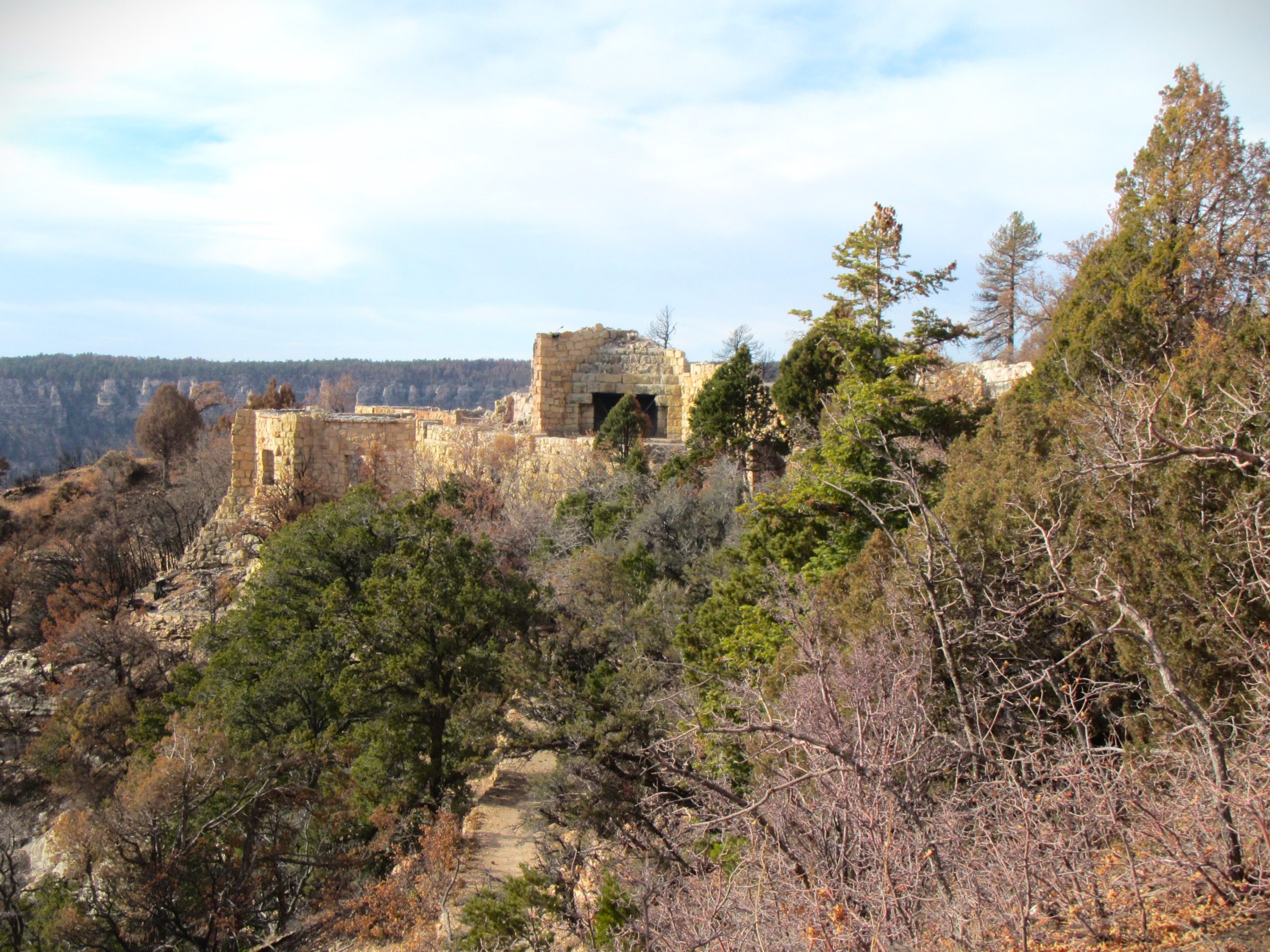
More than a year after the Dragon Bravo Fire raced across the North Rim of Grand Canyon National Park, a federal review has delivered a harsh verdict: failures in leadership, preparedness, and communication within the National Park Service (NPS) were as much to blame for the destruction of the Grand Canyon Lodge as the extreme fire conditions themselves.
The July 2025 wildfire, ignited by lightning during a protracted drought, consumed over 149,000 acres and destroyed the historic lodge, cabins, and employee housing. Suppression and emergency response costs exceeded $141 million in a disaster that left scars both physical and institutional. According to the federal review, many of the difficulties NPS staff encountered were foreseeable—and in some instances, preventable—pointing not just to the North Rim but to larger structural weaknesses in the agency’s approach to crisis management (apnews.com).
Disaster Strikes the Iconic Lodge
When the Dragon Bravo Fire swept into the North Rim on July 13, 2025, high winds drove flames through the Grand Canyon Lodge, the heart of the park’s visitor experience and a registered example of NPS rustic architecture. Within hours, the lodge and most of its surrounding cabin district were destroyed or rendered structurally unsafe, with only about 15% of the lodge’s original fabric surviving any form of intact (www.nps.gov).
Structural engineers and burned area emergency response specialists determined immediate stabilization and selective demolition were essential to mitigate collapse risks and preserve historic stonework ahead of the winter freeze-thaw cycle (www.nps.gov).
Systemic Failings
While drought and erratic winds amplified the crisis, the federal review emphasized that poor internal communication, insufficient administrator training, and slow decision-making contributed to delays and hindered effective coordination. Early statements from NPS leadership had largely defended the firefighting response, citing unusual wind shifts. The review, however, deemed that explanation inadequate in the face of deeper, institutional shortcomings (apnews.com).
The lost Grand Canyon Lodge is not the first time fire has devastated this landmark; the original 1928 structure was destroyed by fire in 1932, only to be rebuilt by 1937. The new fire marks a grave setback for the North Rim’s historical landscape (www.nps.gov).
Recovery Amid Ongoing Risks
Emergency stabilization and the removal of hazardous debris continued throughout late 2025. This fall, repairs and selective demolition aimed to preserve what little remained and prepare for spring assessments and potential public planning for future restoration.
The North Rim has partially reopened, but some trails and facilities remain closed due to post-fire hazards. Recent flash floods have delayed repairs to the critical Transcanyon Waterline, complicating park recovery and threatening further environmental challenges as flood risk remains elevated in impacted drainages (www.nps.gov).
Call for Systemic Reform
The joint federal review recommended broad improvements, including enhanced training for agency administrators and the development of more robust communication networks designed to address complex and fast-evolving crises. Long-term restoration plans for the lodge and surrounding historic district have yet to be finalized, with the National Park Service expected to seek public input once safety and stabilization efforts are complete.
This episode, punctuated by the destruction of a beloved landmark, highlights an urgent need to reform fire management and emergency response protocols at the nation’s most treasured parks.