
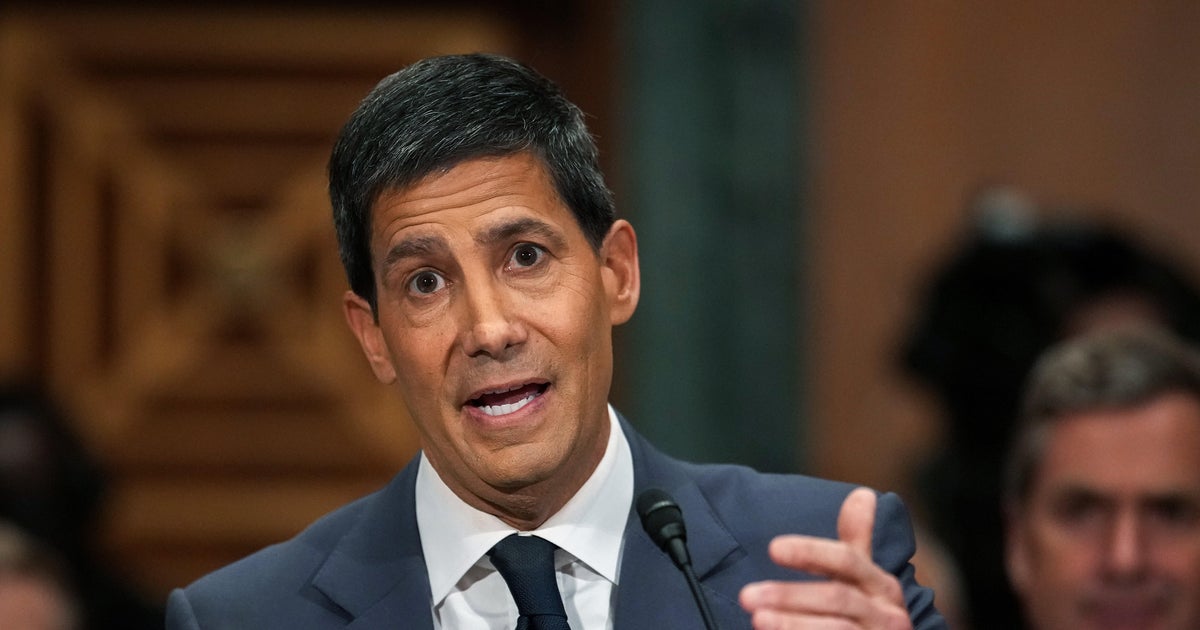
The proposal by Federal Reserve Chair Kevin Warsh to reduce the number of scheduled monetary policy meetings marks a potential shift in how the central bank sets its strategy and communicates with financial markets. Since Warsh assumed leadership in May 2026, he has pursued a slate of changes at the Fed, and his latest idea—to trim regular Federal Open Market Committee (FOMC) meetings from eight to six per year—is stirring debate among Fed officials and market observers alike.
Announced in July 2026, Warsh’s proposal aims to allow policymakers more time to analyze economic data and deliberate policy moves, according to a report first highlighted by Advisor Perspectives. Warsh argues that less frequent meeting cycles could temper what he sees as excessive market fixation on routine Fed communications. “The goal,” a Federal Reserve official explained in published comments, “is to foster more thoughtful policy decisions and encourage the market to focus on fundamentals rather than anticipating incremental signals at every meeting.”
Support and Skepticism from Within the Fed
The idea has found some support inside the Fed: Cleveland Federal Reserve President Beth Hammack and other senior officials have indicated they are open to reviewing the meeting structure, according to coverage in Advisor Perspectives. They echoed the notion that fewer meetings could encourage both internal focus and strategic patience.
Yet, the proposal is also viewed skeptically by other policymakers and outside analysts. Concerns reportedly discussed include the risk that longer intervals between gatherings could make monetary policy less nimble, especially in responding to sudden shifts in economic conditions. As noted by 24/7 Wall St., some officials warn this might increase uncertainty or volatility in financial markets between meetings, as investors read between fewer official signals for clues on interest rate policy.
Historical Continuity and a Broader Reform Agenda
The current structure of eight annual FOMC meetings has been in place since 1981. Changing the frequency would constitute the Fed’s first major scheduling overhaul in more than four decades. Warsh’s proposal fits into his broader reform agenda: Since becoming chair, Warsh has launched initiatives aimed at reducing the Fed’s reliance on forward guidance and initiated task forces to examine other long-standing practices, as covered by The National News.
Discussions over the proposed schedule change remain ongoing, with no formal decision yet. The Federal Reserve is undertaking internal reviews to assess operational and market implications. If Warsh’s plan garners enough internal support, a formal vote could be scheduled in late 2026 or early next year.
Market Watchers Await Decision
For now, the prospect of fewer policy meetings adds a new dimension to market expectations around Fed transparency and responsiveness. Observers say that how the central bank balances deliberation with agility will be a key test of Warsh’s leadership in an era defined by both financial volatility and rapid data shifts. The outcome of the Fed’s deliberations on this issue remains uncertain, but its significance for monetary policy and investor sentiment is being closely watched across the financial world.