
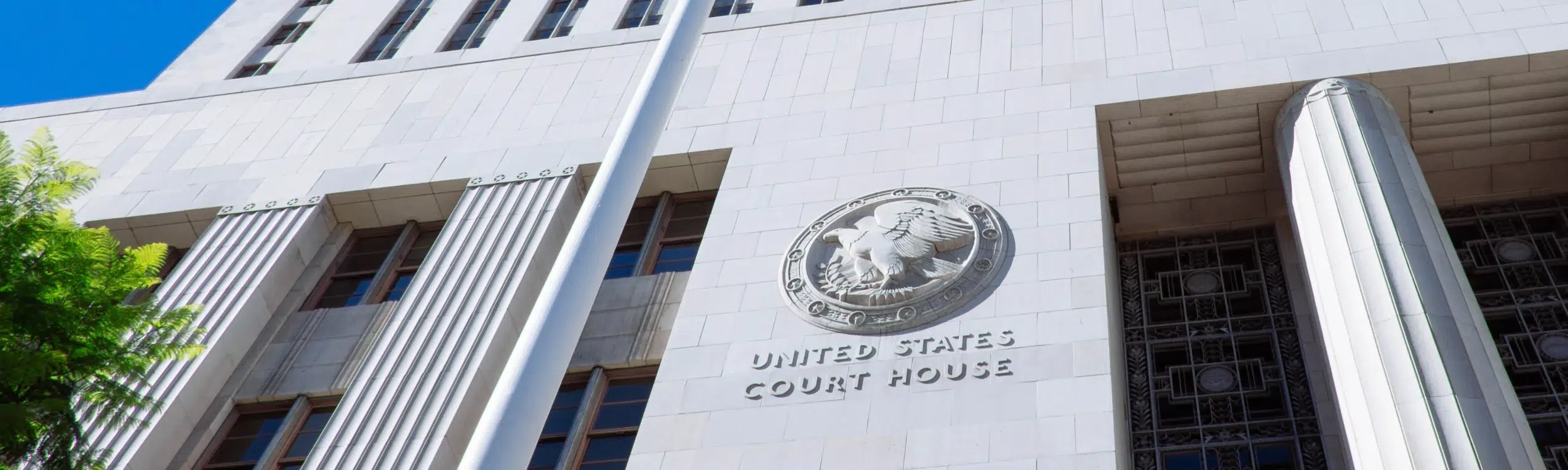
The future for international students in the United States remains in flux after a federal court in Massachusetts issued two rulings this week halting significant policy changes by the Department of Homeland Security (DHS). On November 16, 2026, Judge in the U.S. District Court for the District of Massachusetts vacated a DHS rule that would have replaced the established “duration of status” admissions for international students with fixed admission periods, a move that could have forced thousands to reapply or leave the country if their academic programs ran longer than anticipated.
A day later, the same court granted a preliminary injunction blocking DHS from enforcing newly issued rules that would restrict Curricular Practical Training (CPT), the work authorization that allows F-1 visa holders to gain practical, degree-related employment — including internships — outside the classroom. The court’s decision means that, for now, the longstanding system remains: so long as students meet their program requirements, their legal status is preserved, and CPT opportunities remain accessible under the pre-existing framework.
Legal Tensions and Policy Uncertainty Persist
The two Massachusetts decisions come as part of a series of legal challenges to Trump-era and subsequent DHS policies targeting international student visa programs. Similar lawsuits are ongoing in other jurisdictions, including in California. While many universities and advocacy groups welcomed this week’s court decisions as a win for student rights and institutional stability, neither matter is finally resolved. The DHS is expected to consider appeals, and the overall legal landscape remains dynamic. The ultimate fate of current protections for international students could shift again if higher courts revisit these cases or if DHS revises its regulatory approach in response to the litigation.
Educational institutions are watching closely, with many leaders voicing concern that protracted legal battles and shifting rules deter students abroad from choosing U.S. campuses. As of late November 2026, universities report persistent uncertainty for their international populations and ongoing challenges in planning student services and curriculum requiring practical training opportunities. While institutions presently maintain the status quo, the threat of renewed restrictions — or new regulatory attempts by DHS — hovers over planning for the next academic year.
Broader Immigration Debate
The rulings highlight the precarious balance between regulatory control and maintaining the U.S.’s attractiveness as a destination for international talent. The ability for students to remain in good standing as long as they meet academic requirements has been a pillar of U.S. higher education for decades, as has the opportunity for practical on-the-job experience. Legal experts and advocates stress that judicial decisions are only part of a larger, ongoing debate — one where future appeals or revised policies may again alter the landscape.
For now, international students and the universities that host them await further developments, cognizant that the stability of their status and opportunities may depend on decisions yet to come from both the courts and federal agencies.