
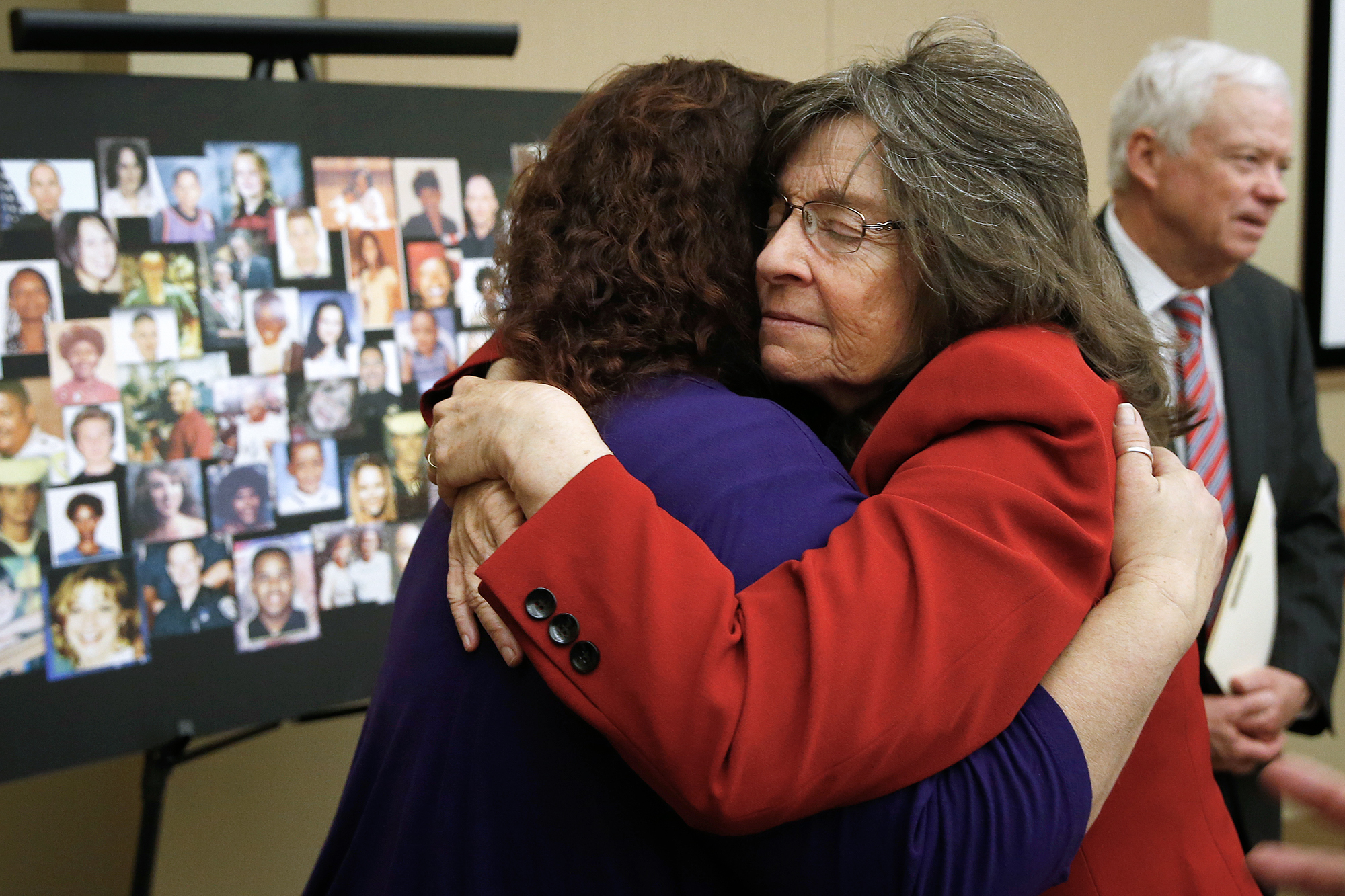
SANTA ANA, Calif. — Emotions ran high on November 12 as families of murder victims joined law enforcement officials in Santa Ana to publicly denounce Governor Gavin Newsom’s recent commutation of all 548 death sentences in California. The press conference, convened at the Orange County Crime Victims’ Monument, marked a flashpoint in the ongoing controversy swirling around Newsom’s unprecedented executive action, announced statewide just days earlier.
Many in attendance described the commutations as a profound betrayal, given California voters twice affirmed the state’s death penalty in 2012 and 2016. Steve Herr, whose son Samuel was murdered in 2010, said that families like his feel their loved ones’ suffering has been overshadowed by a unilateral gubernatorial decision. Faye Jenkins, another speaker and mother of Quiana Jenkins-Pietrzak, voiced anger and feared that the state’s justice system was drifting further from victims’ interests. Their public statements, echoed by leaders of victims’ advocacy organizations, underscored the depth of opposition among those most directly impacted by the original crimes. (Official Orange County District Attorney media advisory, Nov. 10, 2026)
From Political Decision to Public Outcry
Governor Newsom announced the sweeping commutations on November 5, justifying the action on grounds that capital punishment conflicts with the state’s values and undermines its legal framework (APNews). The order converted all current death sentences to life imprisonment without the possibility of parole. While California has not executed anyone since 2006, the death penalty technically remained law, with its repeal repeatedly rejected by voters.
The move requires final approval from the California Supreme Court for inmates with multiple felony convictions, adding further legal complexity. In the meantime, opposition has galvanized. Orange County District Attorney Todd Spitzer and law enforcement representatives cautioned that Newsom’s executive action may not only contravene the will of the electorate but could have lasting implications in future parole considerations. Some lawyers and advocacy groups are exploring legal avenues to challenge the commutations’ validity (NBC Los Angeles).
A Divided Response
While the Santa Ana gathering put a spotlight on grief and outrage, other families affected by capital crimes have voiced support for Newsom’s decision, illustrating the ongoing division within California over both the morality and practical administration of the death penalty system (Fox LA).
The next chapter in this dispute is likely to play out in California’s courts and legislature as challenges are mounted and debate continues. With California’s commutations aligning with a national trend away from capital punishment, the ultimate fate of the death penalty in the state—and the broader U.S.—remains uncertain.