
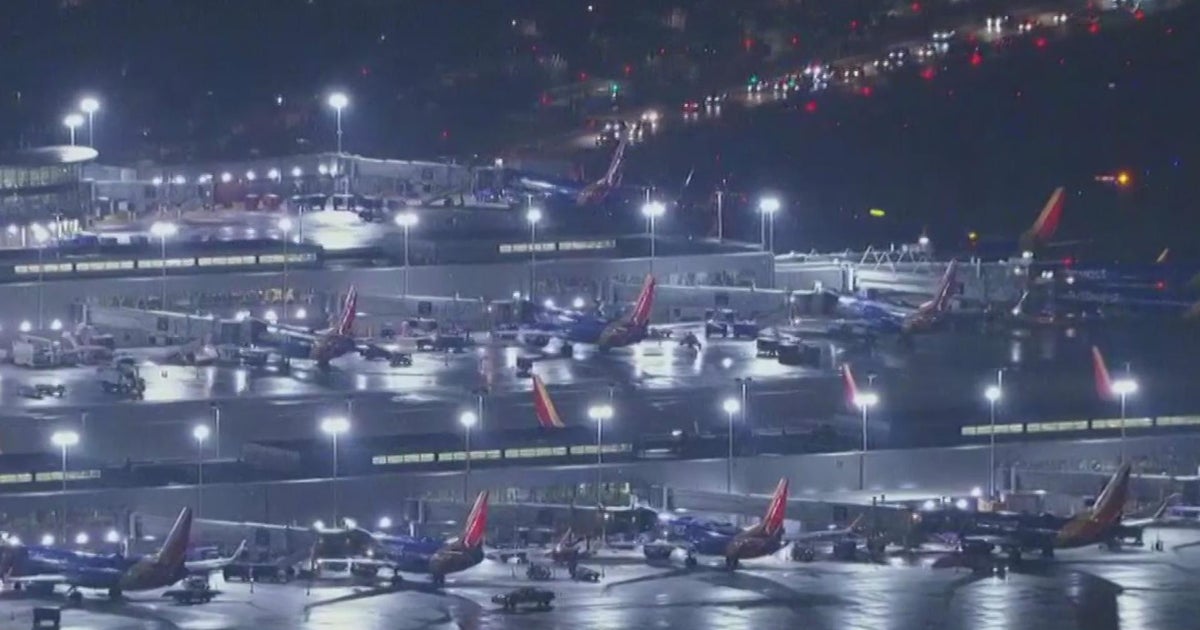
San Diego International Airport was thrown into unexpected disarray on November 13, 2026, as a nationwide ground stop by the Federal Aviation Administration rippled through its terminals and left scores of travelers stranded—some in lines stretching for hundreds of feet, others marooned on tarmacs as updates trickled in. The ground stop, caused by an overwhelmed and outdated system for air traffic control communications, began shortly before 4 p.m. Eastern and paralyzed U.S. commercial air traffic for over four hours. The official cause, according to the FAA, was not a cyberattack as some early speculation suggested, but a failure of legacy telecommunication equipment under heavy data loads. (Axios, AP News)
The effects in San Diego mirrored those seen nationwide. Flights were grounded for hours, passengers faced confusion and uncertainty, and the domino effect of delays extended well into the days that followed. Throughout the day and into the evening of November 13th, the airport’s normal activity ground nearly to a halt. By the time the FAA lifted the order around 8:15 p.m. Eastern, flight boards at San Diego International still showed rows of red and yellow indicators—delays and cancellations that, according to historic data, could raise the proportion of late flights far above the 21.8% average. (DelayGuard)
Traveler Fallout and Frustration
Hundreds of passengers found themselves waiting in security lines and crowded gate areas, some already boarded and held on aircraft until the all-clear came from the FAA. While no official count of affected travelers in San Diego has been made public, the airport typically handles tens of thousands of outbound flyers daily and was operating at near-capacity levels ahead of the ground stop.
The disruption also exacted financial and emotional tolls. Some travelers described mounting expenses as they sought hotel rooms, meals, or alternative transportation—challenges compounded by the uncertainty of when flights would resume and whether their rebooked plans might also face delays.
Infrastructure and Investigation
This event marks only the third time since 2001 that the FAA has imposed a nationwide ground stop, with precedent set in the aftermath of the September 11 attacks and, more recently, during a 2023 NOTAM system failure. In each instance, widespread disruption led to calls for faster modernization of air traffic communications and control infrastructure. Following the incident, the FAA launched an investigation into the technical failures, promising enhanced oversight and upgrades, though at time of reporting, specifics remain under review. (Axios)
Amid the scramble, airlines and airports—including San Diego’s management—have continued urging travelers to monitor their flight status and work directly with carriers for rebooking. As of November 15, many cascading delays remained unresolved, a legacy of the rare airspace freeze and a spotlight on the vulnerabilities of the nation’s aviation backbone.