
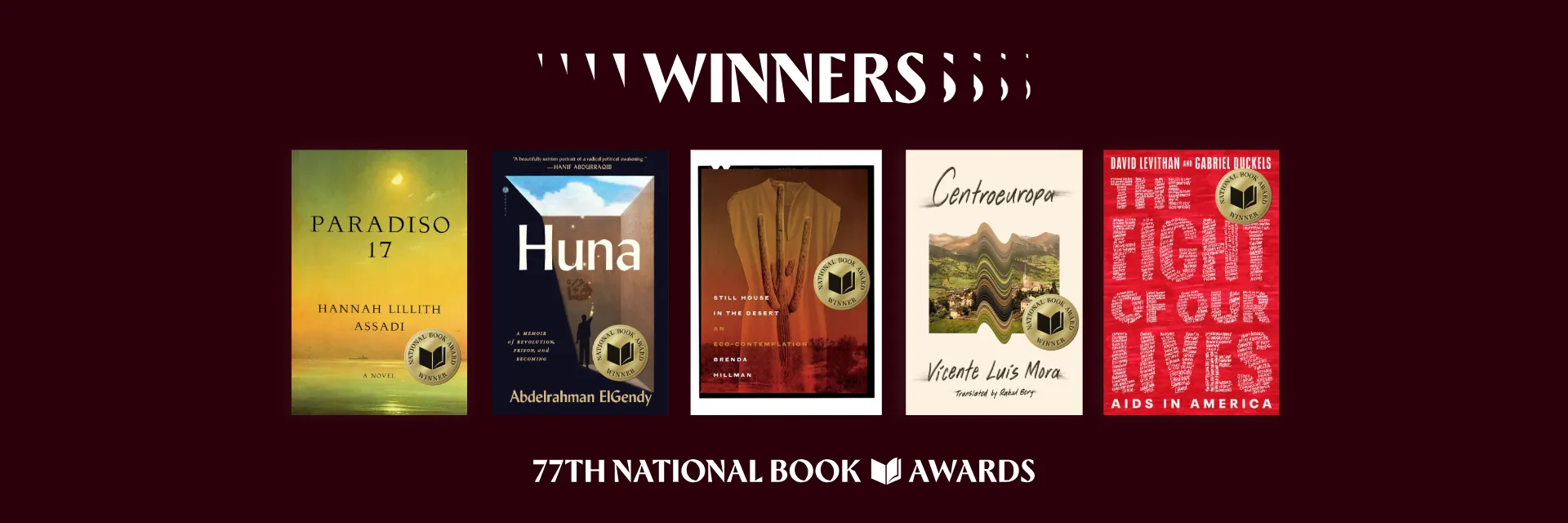
At a ceremony underscored by both celebration and poignant absence, the 77th National Book Awards recognized a new cohort of writers whose stories resonate far beyond the printed page. Announced on November 18, 2026, at Cipriani Wall Street in New York City, this year’s honored books grapple with history, revolution, exile, and the personal costs of political struggle—a reflection of literature’s power in turbulent times.
The fiction award went to Hannah Lillith Assadi for “Paradiso 17” (Knopf / Penguin Random House), a poetic novel tracing the journey of a Palestinian exile. The book stood out to judges for its lyrical exploration of identity and displacement, marking Assadi’s emergence as a significant voice in contemporary American letters, according to the National Book Foundation’s official announcement.
In nonfiction, Abdelrahman ElGendy’s “Huna: A Memoir of Revolution, Prison, and Becoming” captured the judges’ attention for its searing recounting of personal and collective upheaval. ElGendy, an Egyptian student activist who endured six years of imprisonment, was unable to attend due to a U.S. visa denial, according to the Los Angeles Times. His editor delivered his acceptance statement remotely, transforming the moment into a testament to borderless literary solidarity as well as the ongoing barriers faced by exiled writers.
Other major honors included Brenda Hillman’s “Still House in the Desert” (Poetry), Vicente Luis Mora’s “Centroeuropa,” translated by Rahul Bery (Translated Literature), and the young people’s book “The Fight of Our Lives: AIDS in America” by David Levithan and Gabriel Duckels. Each offered, in the words of the Foundation, a window into lives lived and histories shaped by courage and resilience.
Lifetime achievement awards celebrated lasting contributions: Salman Rushdie received the Medal for Distinguished Contribution to American Letters, presented by author Kiran Desai, for decades of literary innovation and fearlessness. The Literarian Award for service was bestowed on Perri Klass, recognizing her advocacy and influence across generations of readers and writers.
With no unresolved controversies reported, this year’s National Book Awards reaffirmed the institution’s role as a barometer of both literary excellence and the ongoing challenges writers face across borders and regimes. As the dust settles on the night’s festivities, the impact of these stories is just beginning to ripple outward.