
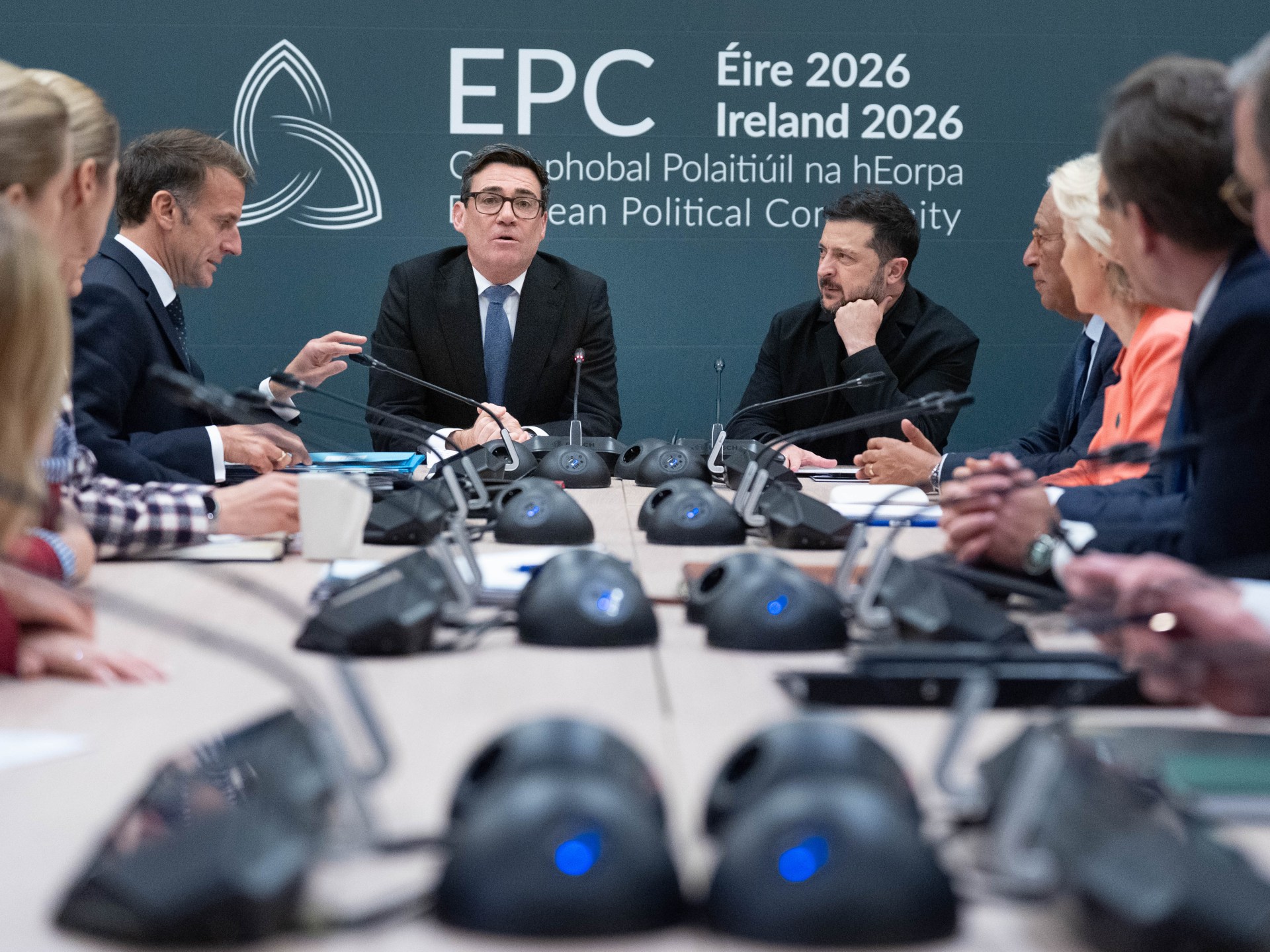
European leaders have agreed to send a team of diplomatic representatives—including from the European Union and the governments of the United Kingdom, France, Germany, Italy, and Poland—to the upcoming round of Ukraine peace talks, in a move designed to ensure the continent a direct role in shaping any future settlement. The decision, announced by European Council President Antonio Costa on November 13, comes as tensions rise over fears that Europe could be marginalized by a U.S.-led negotiating process.
The unprecedented joint delegation will seek to address persistent anxieties across Europe that a peace agreement forged without direct European involvement might leave Ukraine, and potentially broader European security, vulnerable. European officials have voiced concern that Washington’s dominant role could inadvertently sideline their interests—or that Russia could exploit divisions within Europe’s sprawling coalition of 27 nations and their major allies.
According to statements reported by the Associated Press, Antonio Costa confirmed that Europe would “have a seat at the table,” though the choice to send a multi-country diplomatic team rather than a single envoy highlights ongoing difficulties within the EU to settle on a unified representative. Italian Prime Minister Giorgia Meloni notably advocated for a single European voice, a proposal that ultimately lost traction amid disagreements among member states. Kremlin spokesperson Dmitry Peskov publicly mocked Europe’s internal discord, quipping, “The Europeans squabble like spiders in a jar.”
Both Ukrainian President Volodymyr Zelensky and U.S. envoy Jared Kushner have endorsed European participation in the negotiations, with Zelensky stating, “They will have a voice,” and Kushner emphasizing, “We cannot conclude this deal without the Europeans being at the table.”
The next round of peace talks, whose date and circumstances remain to be finalized, will take place against a backdrop of complex security demands. Russian President Vladimir Putin has insisted on a full withdrawal of NATO forces from Russia’s borders and a guarantee that no European soldiers be stationed in Ukraine—red lines that could significantly complicate progress.
Diplomats familiar with the process say the inclusion of major European powers aims to not only reassure Kyiv but also address a broad set of security concerns for Europe as a whole. Yet the attempt to construct a broad coalition exposes ongoing political dilemmas inside Europe itself—both over how much leverage the continent can wield in the talks, and how best to maintain a common posture.
The composition of the delegation, spanning both EU officials and five individual governments, reflects an attempt at unity while acknowledging the realities of competing interests within the bloc. European leaders say that this arrangement will ensure broader representation of viewpoints, but it remains to be seen how cohesive their negotiating stance will be once talks begin.
As the situation evolves, European governments continue to negotiate both the details of their delegation and their approach to the talks. With no final agenda or format publicly confirmed, the coming weeks will be a critical test of Europe’s diplomatic cohesion and its ability to play a decisive role in determining Ukraine’s future security arrangements.