
Estonia is escalating security measures along its eastern frontier after a foiled attempt to set fire to a key drone manufacturing facility outside Tallinn on November 14. Authorities say the suspected arson plot marks the latest in a series of cross-border sabotage attempts targeting the Baltic state’s defense industry.
According to Estonian security officials, eight suspects residing in neighboring Latvia attempted to break into Threod Systems, a defense contractor specializing in unmanned aerial vehicles. The group allegedly tried to detonate flammable materials at the site in Viimsi, but were thwarted by the company’s security team before any harm was done. There were no injuries and no significant property damage. All eight suspects were detained shortly after the incident as the Internal Security Service (KAPO) launched a wider investigation into their motives and connections.
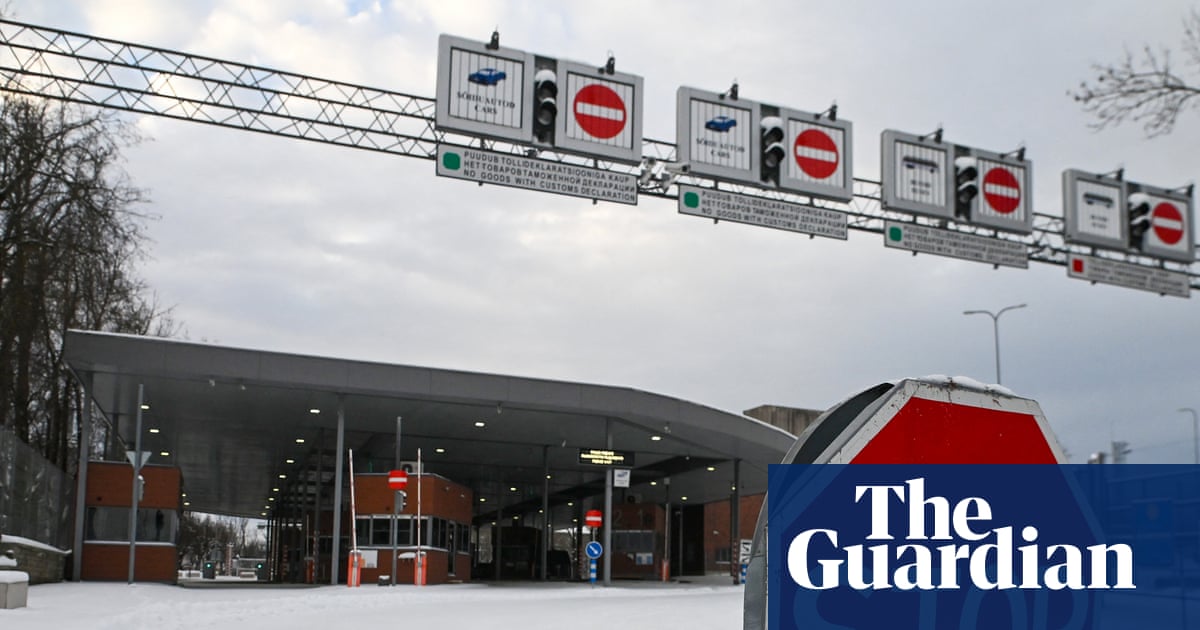
Estonia’s government has pointed directly to Russia’s GRU military intelligence as orchestrators of the attack, citing the pattern of previous incidents and ongoing intelligence assessments. Prime Minister Kristen Michal responded with the announcement that all border crossings between Estonia and Russia will be closed starting December 1. While the specific duration of the closure has not been set, the move is intended as both a preventative measure and a signal that such hostile acts will not go unanswered.
The Baltic country has faced mounting tensions with Moscow for years, particularly following the Russian invasion of Ukraine. In August, another Estonian defense company, Milrem Robotics, was targeted in a similar arson attack that authorities also blamed on Russian operatives. This sequence of incidents underscores growing security fears in the region and highlights the vulnerability of advanced manufacturing facilities to covert sabotage efforts.
For now, Estonian investigators are working to clarify the identities, affiliations, and possible wider network of the detained suspects, all of whom resided in Latvia but have not yet had their nationalities publicly disclosed. Moscow has yet to issue a statement addressing either the arson attempt or the impending border closure.
With the border closure looming, both economic and personal cross-border exchanges are set for disruption, reflecting the gravity of the security threat as perceived by Tallinn. The government has left open the question of when or under what conditions the crossings might reopen, making uncertainty the new norm for one of Europe’s most sensitive borders.