
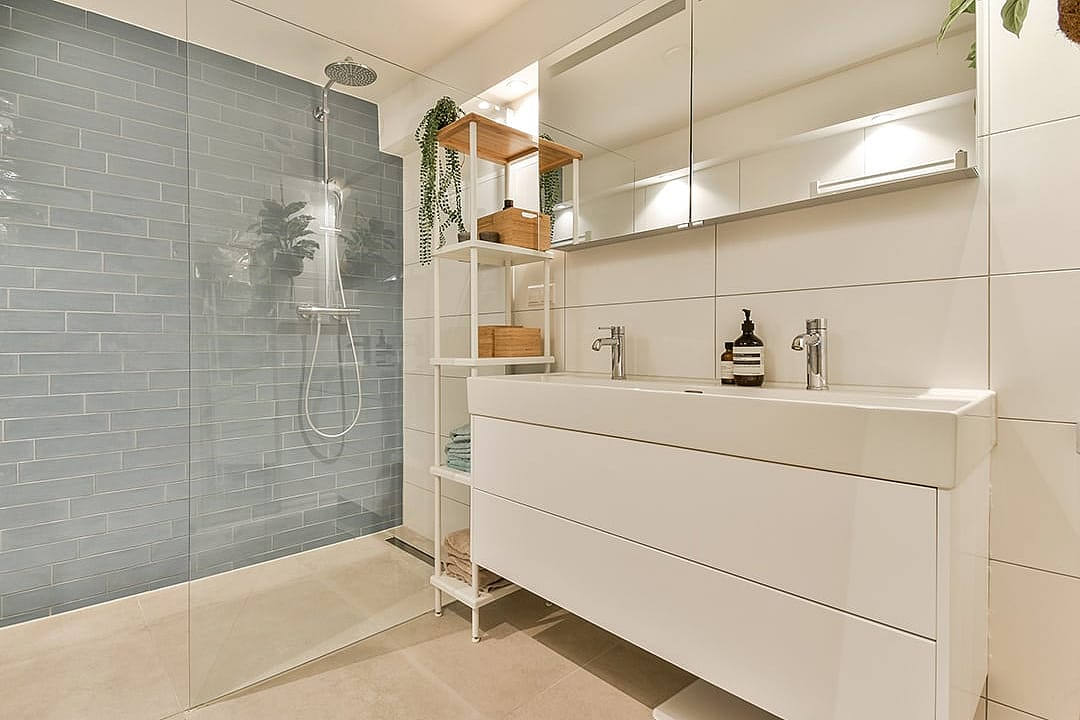
In homes across the United States, a quiet but meaningful shift is pushing easy-to-clean bathroom designs to the top of renovation wish lists. With the median age of owner-occupied properties nearing 41 years, a growing number of homeowners are investing in upgrades—not just for appearances, but for long-term practicality and ease of maintenance.
The Home Improvement Research Institute projects a 4% average annual growth in home improvement spending between 2026 and 2029, potentially reaching $688 billion by the decade’s close. According to the National Association of Realtors, 27% of homeowners cite the need to replace worn-out surfaces and finishes as a primary renovation motivator—bathrooms often being a prime focus due to their daily use and high cleaning demands.
Low-Maintenance Materials on the Rise
Traditional bathrooms lined with tile and grout—infamous for demanding scrubbing and susceptibility to mold—are giving way to innovations. Non-porous wall panels, frameless glass doors, and solid shower bases are rapidly gaining popularity. These features, often made from composite, acrylic, or engineered stone, offer watertight, continuous barriers that resist microbial buildup and reduce reliance on harsh chemical cleaners.
The focus on low-maintenance design goes hand in hand with homeowners’ desire to spend less time cleaning. This trend, industry professionals note, is not only about convenience but about securing financial equity as well. The National Association of Realtors’ Remodeling Impact Report assigns a full bathroom renovation a Joy Score of 9.6 out of 10, with over 60% of renovating homeowners reporting increased enjoyment in their living space. Moreover, realtors estimate that updating a bathroom using durable, easy-to-clean materials can recover approximately 71% of its cost at resale.
Aging in Place and Accessibility
Easy maintenance is vital for another growing demographic: Americans seeking to age in place. With under 6% of U.S. homes deemed accessible for those with mobility challenges, the demand for barrier-free showers, slip-resistant surfaces, and smart features is rising. Smart ventilation systems—with automated humidity sensing—are also being installed to prevent mold, a common concern in older homes.
Lasting Impact on Home Value
Industry experts emphasize that today’s renovation decisions are increasingly guided by data-backed return on investment rather than by passing trends. A well-designed bathroom, featuring low-maintenance upgrades, not only delivers day-to-day benefits but also safeguards long-term property value—a critical consideration as homeowners weigh current enjoyment against future financial security.
The evolving bathroom renovation wave suggests that easy-to-clean designs could rapidly become the norm, influencing home improvement priorities and spending patterns for years to come.