
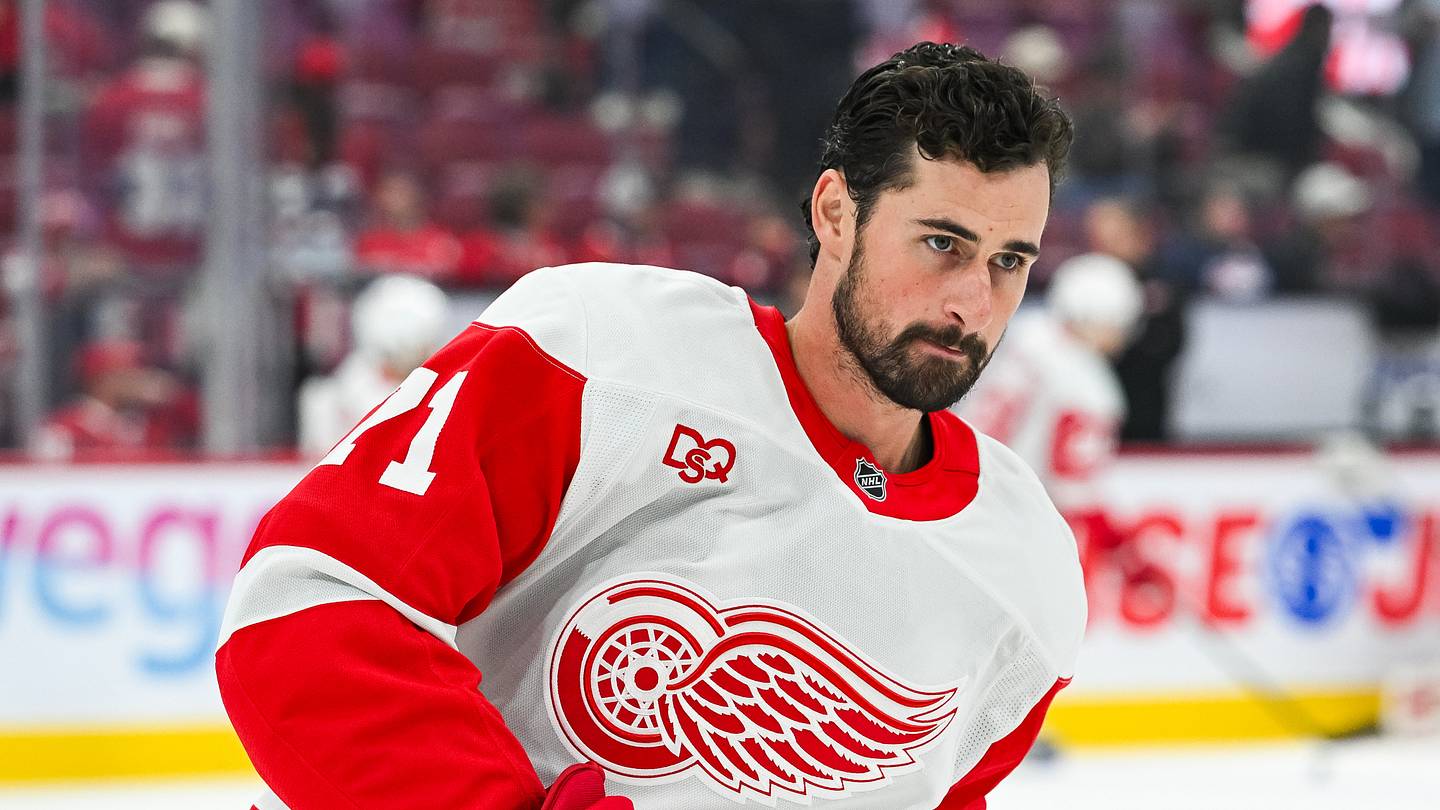
In a dramatic escalation of one of the National Hockey League’s most closely watched off-ice standoffs, the Detroit Red Wings announced on October 29, 2026, that they have suspended former captain Dylan Larkin without pay after the forward informed the team he would no longer suit up for them until a trade is finalized. The move, confirmed by interim general manager Shawn Horcoff, comes after Larkin’s offseason trade request and marks a sharp end to his tenure in Detroit—a franchise where he was a six-time 30-goal scorer and hometown star since being drafted in 2014.
The impasse now reverberates across the NHL, complicating transactions for other franchises hoping to retool their rosters, such as the Vancouver Canucks. Detroit, mired in the league’s longest playoff drought, maintains that it will not move Larkin at a discount, holding out for a deal suiting its long-term interests. Horcoff has stated the team is open to players who can “help us right away,” but negotiations are hampered by Larkin’s full no-trade clause, high salary, and his own list of ten preferred destinations. Despite the expansion of this list—which reportedly includes teams like the Panthers, Golden Knights, and Avalanche—the Red Wings have so far declined to deal with at least one preferred club, the Minnesota Wild, and insist they are prepared to “wait as long as necessary” to extract sufficient value for their centerpiece forward.
As Detroit navigates its options, fellow NHL clubs feel the ripple effects. The Vancouver Canucks, for example, have made it known they are actively shopping veteran players—including Jake DeBrusk, Drew O’Connor, Filip Chytil, and Luke Schenn—in a bid to rejuvenate with younger, NHL-ready talent. However, sources indicate tepid market interest in these veterans, inhibiting the Canucks’ ability to reposition for future success. Offers for DeBrusk have reportedly been rebuffed as Vancouver seeks established young players rather than just picks or prospects—mirroring Detroit’s stance on Larkin, and underscoring a wider hesitation among teams to make bold, value-for-value swaps during a tense moment in the trade market.
The uncertainty surrounding Larkin’s fate has reportedly become a “logjam” in league trade discussions, as potential suitors and sellers alike await a resolution that could help reset player valuations and market risk. The situation is further complicated by the management turnover and on-ice struggles in both Detroit and Vancouver, leaving franchise directions in flux.
For now, Larkin’s suspension and the Canucks’ stalled veteran sell-off embody the shifting strategies and caution overtaking NHL front offices. As talks continue behind closed doors, the league’s trade market remains tense—waiting on one major move to reshape the landscape.