
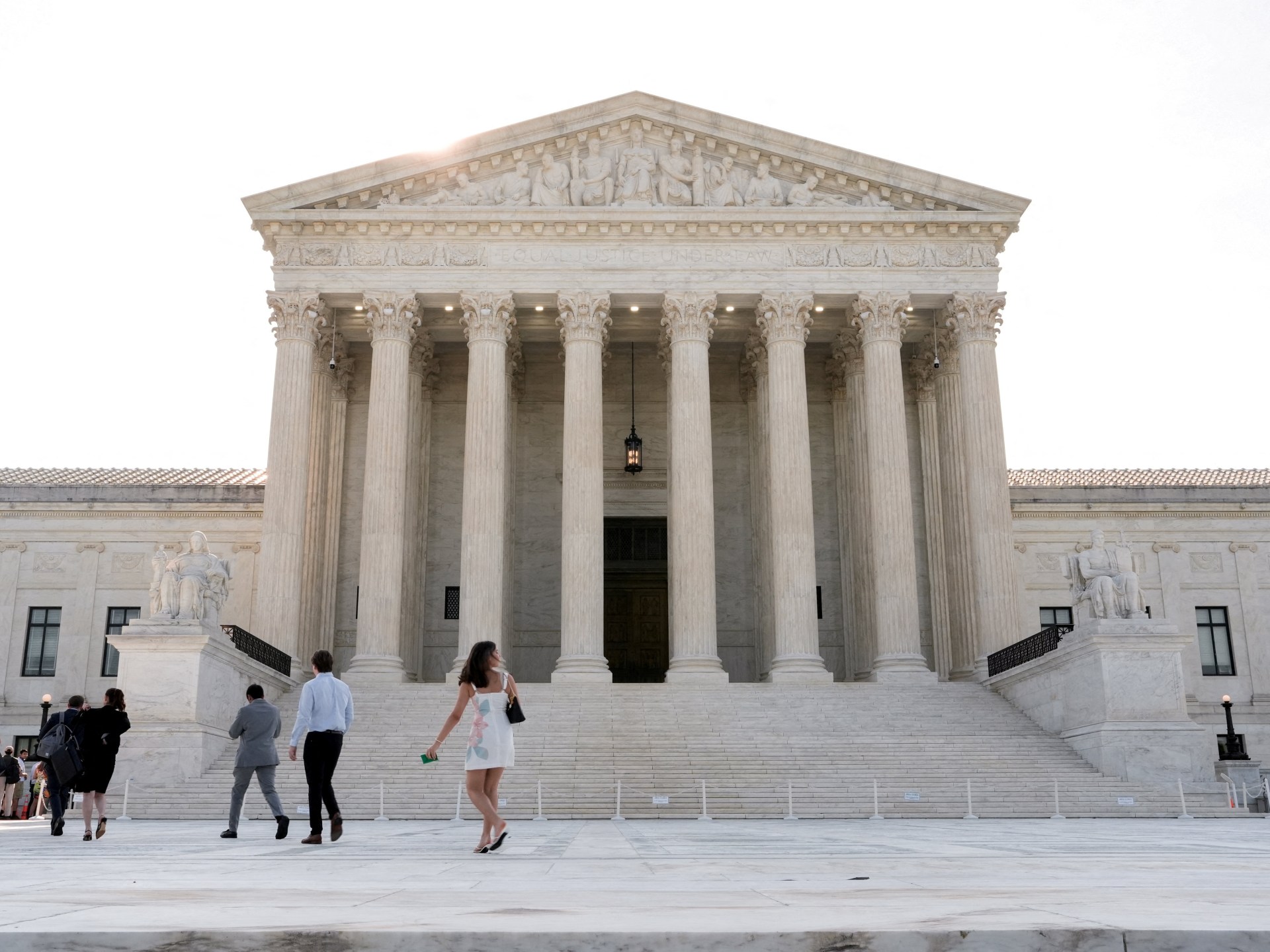
The battle for the future direction of the U.S. Supreme Court reached a turning point this fall, as lawmakers failed in a visible bid to solidify the Court’s size even while advocates on both sides reignited calls for sweeping changes. At the heart of the dispute is the question of whether Congress should expand the Court from its longstanding nine seats, a move some leading Democrats argue is necessary to reflect an evolving judiciary and check its growing influence.
Legislative Hurdles Reveal Sharp Political Divide
In September 2026, the U.S. House of Representatives narrowly voted down a Republican-backed constitutional amendment that would have permanently locked in the number of justices at nine. The measure failed by a margin of just six votes — 212 in favor to 206 opposed — falling short of the two-thirds threshold required for passage. In the wake of the vote, Democrats renewed advocacy for expanding the Court, following up on calls made earlier that summer by former Vice President Kamala Harris for a 13-seat bench to match the number of federal circuit courts.
This latest legislative episode reflects deepening partisan divisions over the Court’s role. Debates over its composition have grown especially fierce since the November 2026 midterm elections, where Democrats secured control of both congressional chambers. While some lawmakers push for expansion, others argue that tampering with the Court’s makeup could imperil its independence and credibility. The issue remains far from settled, with no major reform bills advancing beyond committee since an unsuccessful attempt in 2021.
Public and Judicial Voices Add to Tension
Americans themselves are divided. A 2025 Annenberg Public Policy Center poll revealed that only about a third (31%) of respondents supported Court expansion, with 36% opposed and roughly a third undecided. Meanwhile, the judiciary has not shied from voicing concern: In November, Justice Samuel Alito publicly warned that even if justices’ salaries are protected by the Constitution, Congress retains leverage through control of funding for the Court’s staff and facilities.
Outlook: Reform Prospects Remain Uncertain
For advocates of expansion, the incoming Democratic majority represents a key opportunity. Yet significant political and procedural obstacles remain, including both internal divisions and the high bar of constitutional amendment. Critics counter that such moves risk politicizing the Court beyond recovery, undermining its legitimacy in the eyes of the public.
With the topic likely to remain at the forefront ahead of future elections, the ultimate fate of the Supreme Court’s composition may hinge on shifting political tides and further changes in public opinion — leaving one of the nation’s foundational institutions in uncertain territory for the foreseeable future.